



Oct 08, 2026 1:19pm IST
‘Taxi No 9211’ Director Milan Luthria Remembers Nana Patekar’s ‘Multifaceted’ Personality: ‘You Could Tap The Emotion, Humour, Anger, Loneliness’ (EXCLUSIVE)
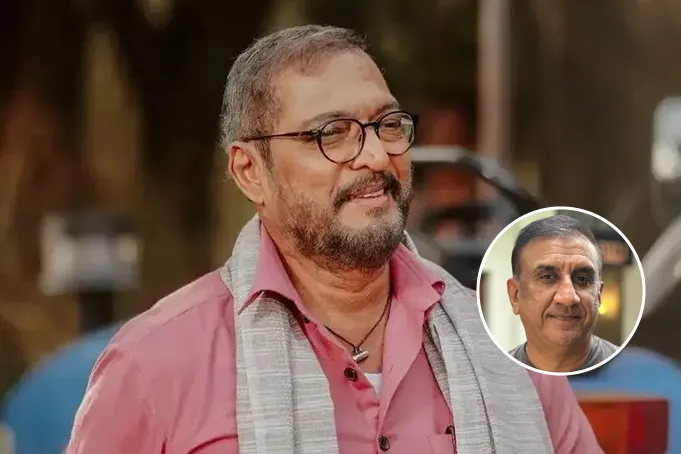
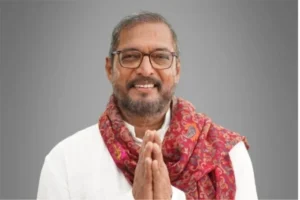
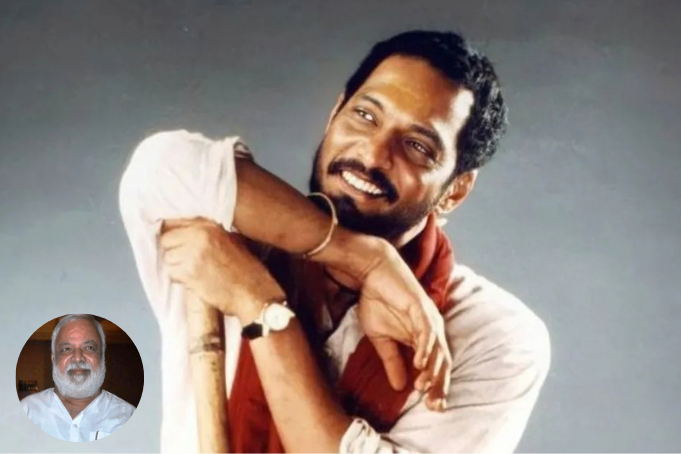
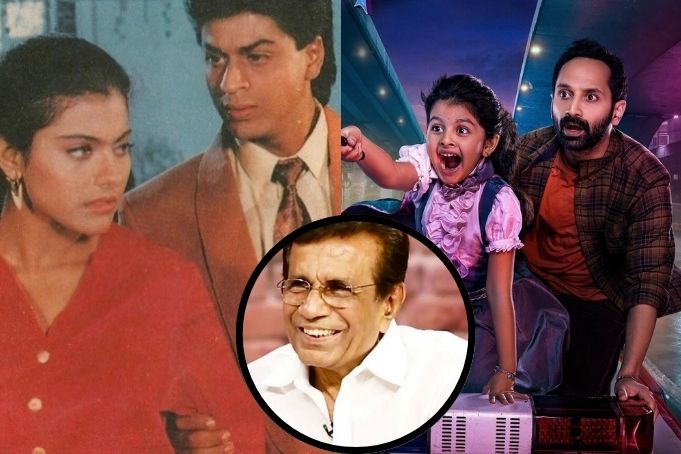
The legendary actor of Indian cinema, Nana Patekar passed away this morning at the age of 75 after suffering a cardiac arrest. In his illustrious and long filmography, the actor portrayed several memorable roles, and among them was Raghav Shastri in Milan Luthria’s comedy-thriller “Taxi No. 9211.” As tributes are pouring for the thespian from all corners of the country, Luthria shares his fondest memory of Nana Patekar and reveals what made him the actor par excellence.
What do you remember most vividly about that meeting when you approached him for ‘Taxi No 9211’?
Two things stay in my mind. One is the fact, that he wanted to meet immediately. Normally, actors will tell you to contact their secretary, or meet somebody, or give them a few days before they can give an appointment, which is expected, because actors are busy people, but him calling me right away, get into the car and come, he didn't even know me.
So, that I found to be very surprising, and then when I reached there, he said, ‘Let's not talk here. Let's take a walk on Worli sea-face.’ He stopped to talk to a watchman of a building. He said, ‘Are there any flats here? I don't mind buying a house here. Let's walk further.’ He said, ‘Now tell me about yourself. Tell me about your script. Tell me about everything.’ And it was one of the most unique actor meetings in that sense, that this was in the middle of the road. I mean, not in an office or a house or a studio. So, that was not unpredictable, very normal, in many ways, very eccentric in some ways. But that was his personality.
Looking back, what did Nana bring to that equation that you don't think another actor could have brought?
So, there was this time, I gave him the script to read. And he said, ‘Leave it with me for a few days.’ And I went back to him after about maybe 15-20 days. And we were sitting, and, he was talking about something. And slowly, slowly, he started to say some of the lines in the script to me, some of the funny lines, some of the emotional lines, without warning.
He just started playing the character in front of me. And he had put so much effort into understanding the character and finding that one little extra dimension that, whether it was in the madness or the emotional constriction of the character, he had understood and deep dived very beautifully. So, I was watching him do it. I said, ‘This is spot on. I couldn't have asked for more.’
Related Stories
What was the one quality in Nana's acting that you think has been difficult for subsequent generations of actors to replicate?
I think he was very aware that he wanted to shut himself off from everything when he was working. He was focused only and only on his work; nothing else mattered to him. People coming to meet him, it was never happening on our set. He never had anybody with him; he had a very simple approach to his work: no distractions. The amount of focus on the performance is something that we can all learn from.
He could move effortlessly between intense drama, anger, humour and vulnerability. What do you think made that range possible?
He had a lot of interesting pursuits when he was not shooting. He was an observer of life. He was somebody very passionate about music, literature and drama. He had a common man inside him as he would tell me that from his farm, when he would grow the vegetables, he would take them himself for selling to the marketplace. He was also a loner. So, he was a very multifaceted personality, who looked at life very differently from a lot of people. He had a lot of thought inside him that one could tap; you could tap the emotion, humor, anger, loneliness, solitude and fun side of him. So, multifaceted is what I would call him.
What is your fondest memory of Nana, and what did he thought you as a filmmaker?
My fondest memory of him was when, one day, we had a disagreement on set, and we didn't resolve the disagreement, and we packed up and left for the day. And I was a little upset that he was a little upset. And I remember him calling me late that night at about 11:30 and apologising profusely on the phone, saying, ‘He was wrong. He was sorry. Could we meet? Could we have dinner together?’ So, I saw a very soft side of him. And I remember that very well. As a filmmaker, he taught me that everyone on the set should be totally prepared, just like he was. He would never forget a line.
He would never forget his character. He would never forget the intensity that is required to be maintained throughout a full day or a full schedule of shoot. And he taught me that you have to always be totally prepared for your work. Only then can you give your best.


Comments are moderated. They may be edited for clarity and reprinting in whole or in part in Variety publications.