



Sep 24, 2026 6:40pm IST
‘Primetime’ Review: Robert Pattinson Is Compelling In A Film That Never Matches Its Subject

When you watch a movie inspired by a real television phenomenon and the people who lived through it, there is always a temptation to get swept up in the aura of what came before. With “Primetime,” that becomes particularly difficult to ignore because the movie is based on something that was genuinely a cultural phenomenon. Unfortunately, the film itself never quite matches the scale, impact or sheer strangeness of the world it is trying to recreate.
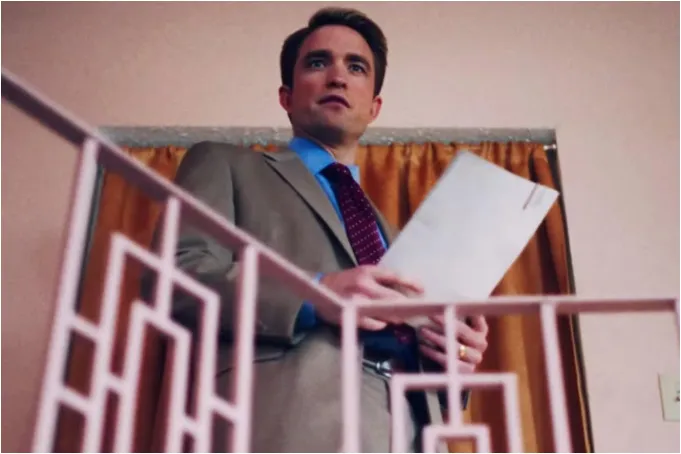
Directed by Lance Oppenheim, “Primetime” takes us back to 2006 and the world of “To Catch a Predator,” the hugely popular NBC series hosted by Chris Hansen. Robert Pattinson plays Hansen, with Merritt Wever as producer Andie Bender, Skyler Gisondo as young decoy actor Dan Plumb and Phoebe Bridgers as another member of the team. The premise of the real show was simple and sensational: adult men were lured into sting houses after believing they had been communicating online with minors, only to be confronted by Hansen on camera before police moved in. It was part investigative television, part crime spectacle and, inevitably, part reality television.
Related Stories

That combination is precisely why the show became such a phenomenon. There was the shock of watching these men walk into a trap, the fascination of seeing Hansen confront them and the uncomfortable thrill of watching private conversations suddenly become public entertainment. But the success of “To Catch a Predator” was never just about Hansen. It depended on an entire machine working together: the producers, the online decoys, the people conducting the chats, the television network, law enforcement and, perhaps most importantly, the audience sitting at home watching it all unfold. The show turned the act of catching someone into an event.
“Primetime” understands that machinery exists, but it doesn't always make you feel its scale. That is the biggest problem with the film. You know you are watching something that supposedly shook television and captivated millions of viewers, yet the movie often feels oddly small and insulated. It tells you that this is huge. It rarely makes you feel that it is huge.
Pattinson, however, is clearly having a terrific time with Hansen. He doesn't simply imitate him. He turns the television personality into something larger than life who is increasingly unsettling. There is a strange theatricality to the performance that fits the film's larger intention, especially as Hansen becomes more consumed by ratings, recognition and the need to keep the show growing. Pattinson is doing exactly the kind of work you expect from an actor who has reached the stage of his career where he can completely disappear into bizarre choices, and there is no denying that he is watchable.
Merritt Wever is equally effective as Andie, a producer caught between professional ambition and the growing discomfort of what the show is becoming. Her dilemma gives the film one of its more grounded threads. Does she continue working with Hansen and help take the program to the next level or move toward a rival operation that offers her a different future? Wever gives the character enough restraint to make that conflict believable, even when the screenplay doesn't always give her enough room to fully explore it.
Skyler Gisondo's Dan is arguably the character through whom the film most clearly examines the machinery of the show. He enters this strange world as an aspiring actor and gradually becomes more comfortable with what he is being asked to do. There is something interesting in watching ambition slowly overpower discomfort, particularly because the film is constantly asking whether people can participate in something morally questionable simply because they want success.
And that brings us to what “Primetime” is really interested in: the uneasy overlap between journalism, entertainment, ambition and exploitation. The movie wants to ask whether exposing wrongdoing remains journalism when the exposure itself becomes entertainment. It wants to question the morality of turning humiliation into ratings and whether a television personality can convince himself he is pursuing justice while also pursuing fame.
These are fascinating questions, but the film doesn't always dig deep enough. Instead of letting these ideas breathe, it often takes things to a more exaggerated place. The grimy, unsettling visual style certainly makes the film feel disturbing, but at times it feels like “Primetime” is more focused on looking strange and uncomfortable than actually saying something meaningful about the world it is exploring.


















Comments are moderated. They may be edited for clarity and reprinting in whole or in part in Variety publications.