



Jun 20, 2026 11:30am IST
Vikram Bhatt on 28 Years of ‘Ghulam’: ‘The Film Definitely Left a Footprint’
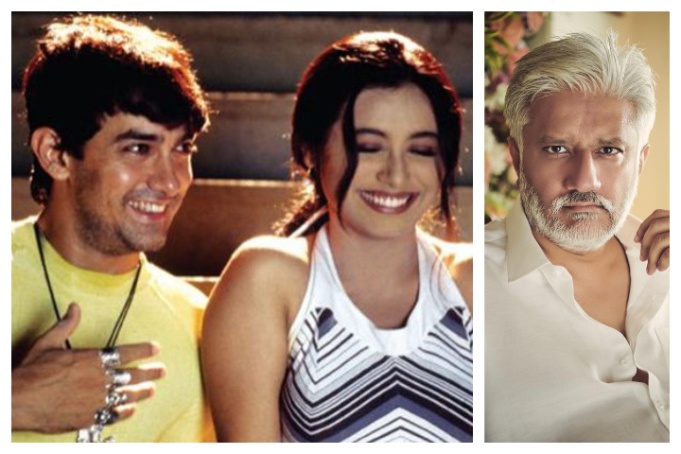
Twenty-eight years after “Ghulam” hit theatres, filmmaker Vikram Bhatt looks back at the film that became one of the defining milestones of his career. In an exclusive conversation with Variety India, Bhatt opens up about inheriting the project after Mahesh Bhatt stepped away, collaborating with Aamir Khan, the enduring popularity of “Aati Kya Khandala,” and why he doesn’t regret dubbing Rani Mukerji’s voice.
Many refer to the film as Bhatt’s biggest commercial success, but he disagrees. “I don’t know if I would call it my biggest commercial film. “Raaz” was a phenomenon in its time, “1920” created an entire franchise and “Haunted 3D” did something nobody thought a horror film could do. But “Ghulam” occupies a very special place because it has become part of popular culture. People still remember the songs, the characters, the dialogues and the spirit of the film. There are films that make money, and then there are films that leave a footprint. “Ghulam” definitely left a footprint.”
Related Stories
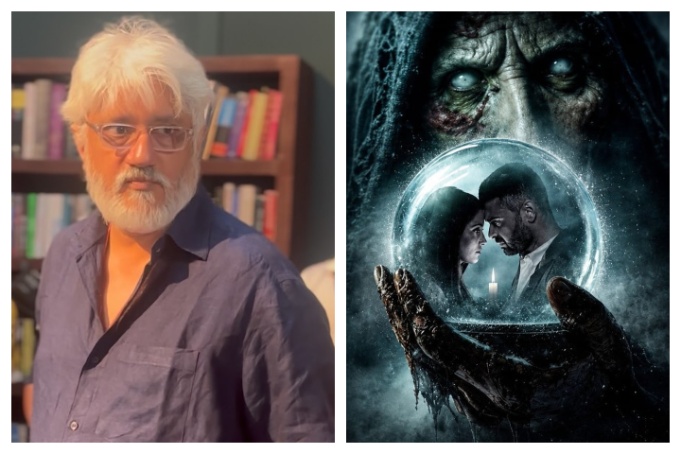

Recalling how he came to direct the film, Bhatt says, “Yes, Bhatt saab (Mahesh Bhatt) was originally supposed to direct ‘Ghulam.’ At the time, I was actually working on ‘Dastak’ and wasn’t involved with ‘Ghulam’ in any significant way. What happened was that Aamir wanted Bhatt saab’s complete involvement, which is understandable when you’re making something as important as ‘Ghulam.’ But Bhatt saab had a great many commitments at the time. To his credit, he was completely honest about it. He told Aamir that he didn’t think ‘Ghulam’ could be the most important thing in his life at that moment. Rather than do the film half-heartedly, he chose to step away. Since I was already part of the company and working closely with him, the film came to me. So it wasn’t a case of me sliding in or maneuvering my way into the director’s chair. It was simply the way events unfolded. One door closed, another opened, and suddenly I found myself directing a film that would become one of the defining experiences of my career.”
About working with Aamir Khan, Bhatt says, “Aamir was never tough to direct. He was demanding, and there is a difference. He asks questions, he challenges ideas, he wants to understand the emotional truth of every scene. For some directors, that can feel uncomfortable. For me, it was stimulating. He pushes you to be better prepared. If you know your material, if you know your character, then working with Aamir is a joy because he elevates everything around him.”
While the film had a great soundtrack, including “Aankhon Se Tune Kya Keh Diya” and “Jaadu Hai Tera Hi Jaadu,” “Aati Kya Khandala” remains the most popular song from the film. Bhatt says, “It had an infectious energy and a certain irreverence that connected with audiences instantly. What made it special was that it felt organic to the film and to the characters. It wasn’t trying to be a chartbuster; it was simply being true to Aamir’s Siddhu and Rani’s Alisha. Sometimes those are the songs that take on a life of their own. Even today, decades later, people still quote the title line. That’s rare.”
Reflecting on the decision to dub Rani Mukerji’s voice in the film and whether he regrets it, Bhatt says, “I don’t regret it, but I do think it belongs to a different era of filmmaking. At that time, there was a strong belief in the industry that a certain kind of voice was required for mainstream Hindi cinema. Decisions were often made through that lens. Today, audiences value authenticity much more. Rani went on to prove that her voice was one of her greatest strengths. So while I don’t sit here beating myself up over a decision made in a different time and context, I think history has shown that Rani’s real voice was always her greatest asset. And if there’s one thing I’ve learned after all these years, it’s that audiences often know better than the people making the films. Rani’s voice is a perfect example of that.”






Comments are moderated. They may be edited for clarity and reprinting in whole or in part in Variety publications.