



May 06, 2026 9:00pm IST
The Hindi 500-Crore Club Has A Strong South Connection
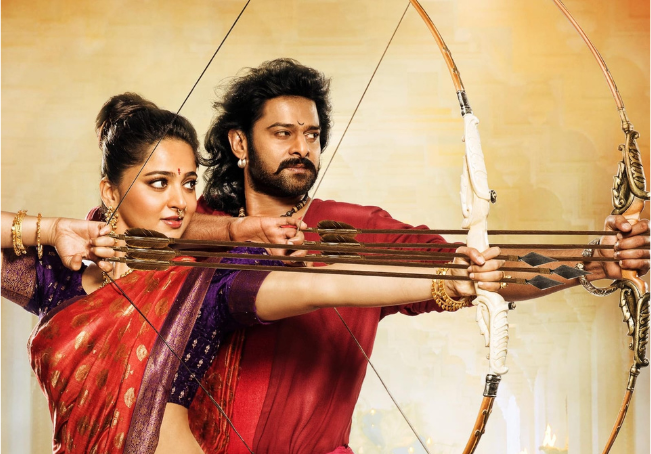
With the Rs 100-Crore Club now almost obsolete, the new minimum benchmark is a 500-crore-plus net Indian income for a film to be labeled a true-blue blockbuster. “Bahubali 2—The Conclusion” (originally Telugu but dubbed in Hindi) had heralded this new milestone for Hindi cinema in 2017, with a net business of Rs. 510.99 crore in only the pan-Indian version. Now, we have (in chronological order) “Pathaan” (Rs. 543.05 crore), “Gadar 2” (Rs. 525.45 cr.), “Jawan” (Rs. 643.87 cr.) and “Animal” (Rs. 556.36 cr.), all in 2023.
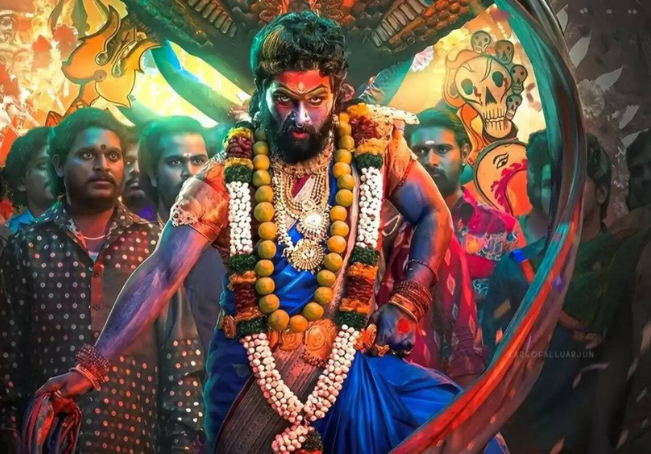
In 2024, “Stree 2” (Rs. 627.02 cr.) and the originally-Telugu “Pushpa 2: The Rule” (Rs. 830.10 cr.) followed, while 2025 saw “Chhaava” (Rs. 600.10 cr.) and “Dhurandhar” (Rs. 895.96 cr.). And finally, this year sees “Dhurandhar The Revenge” race past Rs. 1100 crore.
Related Stories
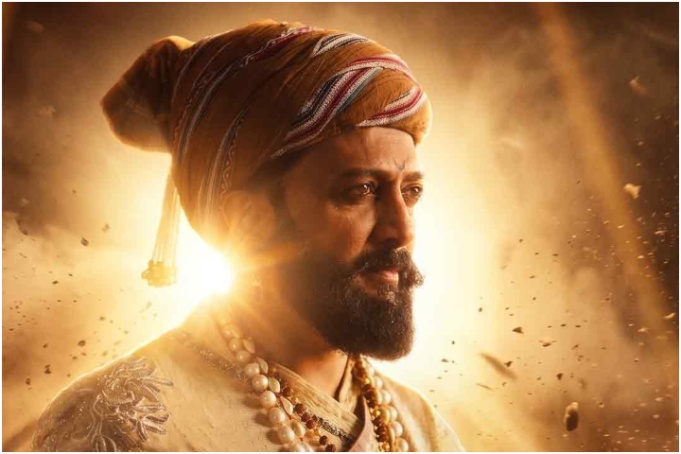
The most interesting observation about this exclusive list is the sizable involvement of the South talent, though there are only two films that are actually South Indian in origin—“Bahubali 2—The Conclusion” and “Pushpa 2: The Rule”, both Telugu movies.
The Southern impact
“Bahubali 2—The Conclusion” is directed by S.S. Rajamouli, produced by Shobu Yarlagadda and Prasad Devineni, stars Prabhas, Rana Daggubati, Ramya Krishnan and Anushka Shetty and has music by M.M. Keeravani.
“Pushpa 2: The Rule” is directed by Sukumar with music by Devi Sri Prasad. It features Allu Arjun and Rashmika Mandanna, and is produced by Naveen Yerneni and Yalamanchili Ravi Shankar.
“Jawan” and “Animal” are directed by South filmmakers Atlee Kumar and Sandeep Reddy Vanga. That means nearly half of the 10 films in the club have been helmed by South Indian directors.
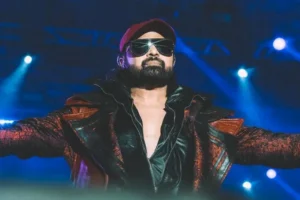
Anirudh Ravichander has composed music for “Jawan”, while Harshavardhan Rameshwar composed “Animal’s” “Papa Meri Jaan” and also its National Award-winning Background Score of the film. A.R. Rahman composed the music for “Chhaava”.
Rashmika Mandanna featured in “Animal”, “Pushpa 2: The Rule” and “Chhaava”. Nayanthara, Vijay Sethupathi and Priyamani starred in “Jawan”.
What Bollywood can learn from the South’s playbook
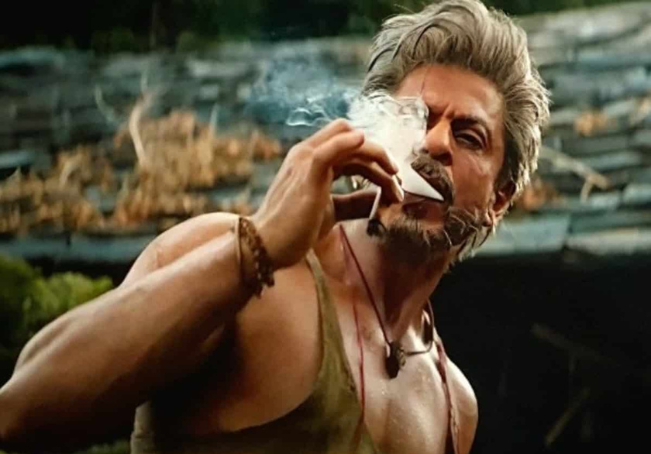
Veteran trade analyst Taran Adarsh states, “A lot of Hindi cinema made in Mumbai is designed to be metro-centric. The South Indian cinema is rooted in desi entertainment. That remains their biggest plus point. They are loyal to audience tastes and entertainment is provided even in movies with a message. In “Jawan”, Shah Rukh Khan speaks about voting for the right person. This was a message that connected even amidst all the masala and action and that video clip went viral.”
Adarsh adds, “Many did not like “Animal” for its violence and other aspects, but there were three major pluses that explained its mega-success - the father-son emotion that is instantly relatable, the music, used as a part of the narrative rather than for formulaic placement, and Ranbir Kapoor’s phenomenal performance.”
Opines distributor Raj Bansal, “The South pays attention to three vital areas that Hindi filmmakers often neglect. The first is good scriptwriters—their scripts have an emotional connect with the audience. Secondly, in Mumbai, we tend to pay the actors a bomb and compromise on content and direction by giving breaks to second and third assistants who are under-groomed. Lastly, we don’t give sufficient importance to music.”
Exhibitor Manoj Desai, who also produced the 1992 film, “Khuda Gawah”, minces no words when he says, “People in the South are professional. When their call sheets state that work should begin at 8 am, everyone is on set by then. However, here, even for an 11 am shift, the lead actors often report three or more hours late.”
Gadar 2 filmmaker Anil Sharma shares, “If you observe, each film here (the Rs 500 cr clubs) appeals to the entire country. Jab tak aap aisa nahi karenge, koi bhi film iss level par successful nahin hogi. We have to showcase the Indian ethos. This fact is the only common point, and it holds true even for all the past blockbusters, whether Mother India or Sholay. The South industries have never sidelined this truth.”
‘There’s a shift in how audiences are engaging with Indian cinema today’
However, South Indian artistes feel that the extent to which a film resonates with the audience is the defining factor. Says National award-winning composer, Devi Sri Prasad, who composed the music for the Pushpa franchise, “I would call it a coincidence. What matters is that a film must emotionally connect with the audience, like “Pushpa” did.”
Composer M.M. Keeravani laughs as he states, “What is South and what is North? It’s a matter of geographical perspective. We are all a part of Indian cinema!” Actress Shriya Saran (“RRR” and “Drishyam” franchise) agrees and says, “I am a North Indian working in films made both in the South and in Hindi. I don’t see any difference in these movies—they are all Indian movies!”
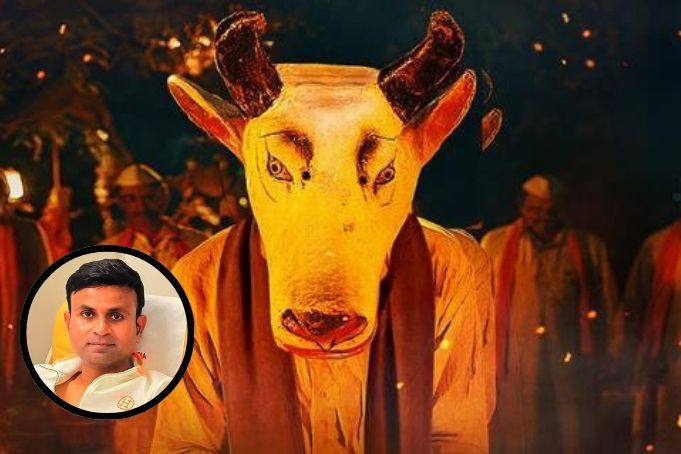
Vijay Kiragandur, head honcho of Hombale Films (“KGF”, “Kantara” franchise and “Mahavatar Narsimha”), sums it up saying, “We, at Hombale Films, have told honest stories from our land and elevated them for a global audience. What connects today is not just scale or spectacle, but the emotion at the core—power, faith, identity and survival. By combining rooted storytelling with strong world-building, high production value and contemporary cinematic language into experiences that feel local in origin but are universal in impact, stories travel far beyond their geography and resonate everywhere.”
He concludes, “Rather than viewing through a North vs South lens, we see this as a larger shift in how audiences are engaging with Indian cinema today. The success of such films only reflects this evolving mindset.”






Comments are moderated. They may be edited for clarity and reprinting in whole or in part in Variety publications.