



Mar 10, 2026 2:56pm IST
‘Mid-sized Films Have Died ’: Director Suresh Triveni on the Struggles of Releasing Mid-budget Films in Theatres (EXCLUSIVE)
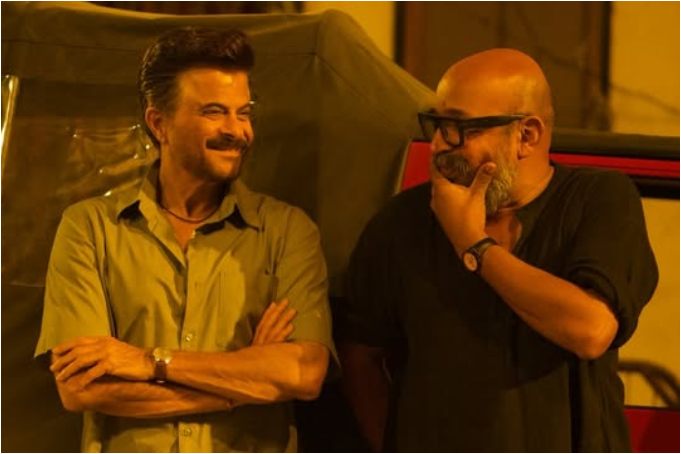
After his directorial debut with Vidya Balan in the highly acclaimed “Tumhari Sulu,” director Suresh Triveni has not had any theatrical outings. His new film, “Subedaar,” has just released on Amazon Prime. The filmmaker says he's keen to showcase his work on the big screen but would not go theatrical just for a token release.
Speaking to Variety India, Triveni says, “I realised with my first film is that the journey is not just about making it theatrical. In today's changing mindset of the audience you also need to pitch your film correctly and have that exposure when you're going theatrical.”
“In the case of “Subedaar," Amazon was always attached to it right from the beginning. But the idea was that the film should be promoted. I don't want a token release. There are many people who get a theatrical release, but no one gets to know them. Then what is the point? At least over here I'm getting the kind of support from the entire brand, Amazon and Prime and all of that. But I hope this tide changes and we find the right balance between OTT and cinema,” he adds.
Related Stories

Mid-size films are struggling
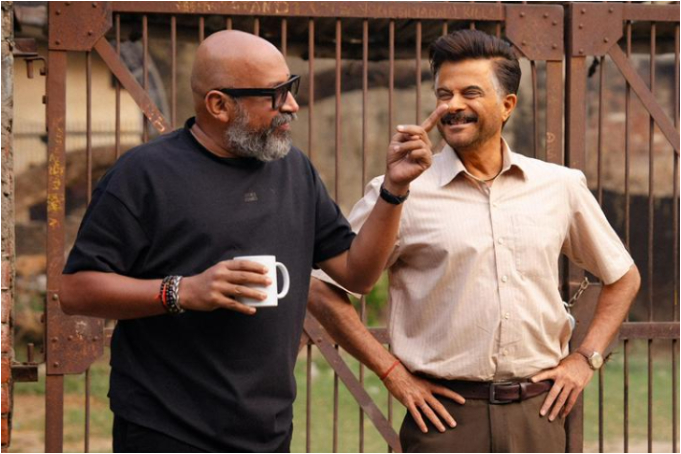
A film like “Subedaar” would have been released in theatres a few years ago, but the dynamics of the film industry and its release pattern have changed post-pandemic. “We are actually on the cusp of people still figuring out which side to go. And everyone has got their theory till the next theory disproves it,” adds the director, further explaining, “Pre-COVID, a mid-sized film could easily find itself on a big screen without any debate. What has happened now is there are only two kinds of cinemas which are finding theatres. Either the big star-led spectacle films or those independent releases where an independent individual producer goes about designing the film in a theatre and waits for things to happen. If you really look at it, the mid-sized film has completely died in recent times.”
Triveni is not wrong when he says mid-sized films are struggling. Last month, Variety India ereported that more than 50 small and medium-budget films are lying unsold despite being ready because they're not finding theatrical and streaming buyers. “There are so many films, even of my friends, that are ready but not seeing the light of day,” he reveals. Upon being asked the reason, he explains, “During the period of COVID, there was excess demand. Everyone rushed into the platforms. After that, there was a dip when the platforms had the movies and all of it. Now everyone has gotten there; they've got to balance out series, movies, licensing, and all of it. Adding to it, regional films are also doing very well in theaters in North India. So, regional films also became very crucial in the overall game. Indian cinema now, in a true sense, has come into the picture. Now, the people who are taking it on licensing have got far bigger options rather than just limiting themselves only to Hindi cinema. So, of course, the pie is divided, because of which there will be a lot left out."
A proper exhibition policy is the solution
But what can be the solution for it? Triveni feels that the producers should sit across the table and find out that there has to be a way for midsize cinema, for independent cinema and how to find an exhibition policy for the film. “Like it should be fair to everyone. You can't have a film releasing and get a short, odd time, like 10 am in the morning. People have to fight because the bigger fish is always going to win the race. So, it's time now for everyone to sit across the table and find out the solution so that the system starts working again and the cash flows back. Because only then would producers and financiers have the confidence that this business is worth their money.”
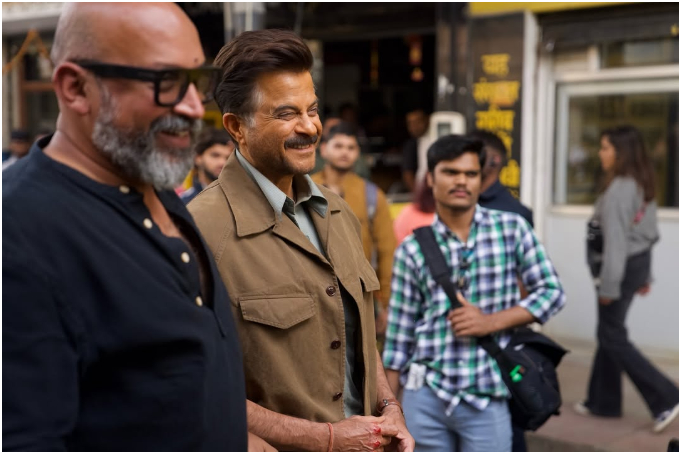 In 2017, "Tumhari Sulu" was not only critically acclaimed but also a financial success. Over the years, especially post-pandemic, the female-led narratives have largely disappeared from theatres, releasing mostly on OTT. Can a film like “Tumhari Sulu” be made today for the theatres? “No chance. In today's time, there is no way to be released right now. It's sad but that's true,” Triveni blatantly answers.
Impossible to make ‘Tumhari Sulu’ for theatres today
“See, theatrical is economics. Earlier, you used to make a budget, and then you'd find your satellite value, and then you'd find your digital value. In the period of COVID, producers got used to digital values. There was excess demand from the OTT. Everyone was going there because the theatres were shut. Now, the digital value also has come down, licensing has come down, satellite has come down. So for anyone to have theatrical success, the risks have gone even higher,” Triveni, who is also a producer himself, reveals.
“Adding to that, there are now so many more avenues that people have in terms of series, reels, all of it. The curiosity of people when it comes to cinema has slowly declined. The fact is the economics of cinema have all changed. Your films can go to the theatre if you can recover most of the money at the table and then only producers are willing to go ahead and take the content risk. But as we say, it just takes one film to change all of this. What is important is that films should work in theatres.”
Although Triveni is giving more importance to a well-planned release than a token release irrespective of the medium, he's desperate to work on a proper theatrical outing. “As a filmmaker, I've never made a film with certain imagery that can fit into an OTT or a cinema. Of course I'm desperate to go on the big screen and show my work. There is no bigger joy than that,” he concludes.
















Comments are moderated. They may be edited for clarity and reprinting in whole or in part in Variety publications.