



Oct 01, 2026 11:04am IST
‘The Difficult Bride’ Review: Rubaiyat Hossain’s Feminist Body Horror Takes Aim At Beauty And Marriage
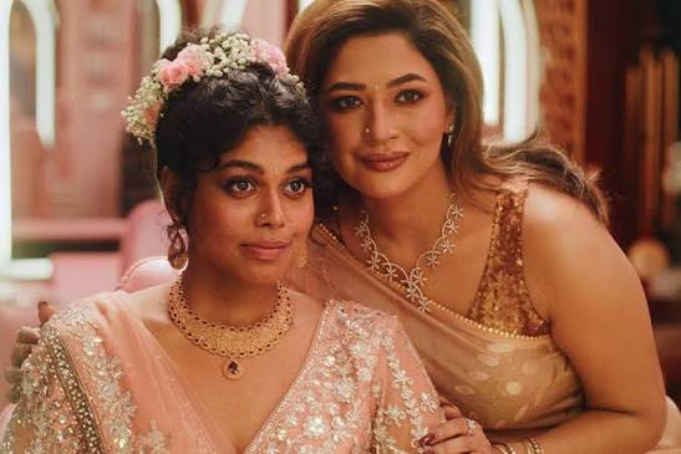
Filmmakers from India’s neighbouring countries, despite working with far less industry infrastructure, often make bolder and more risk-taking films than Indian cinema. Rubaiyat Hossain’s “The Difficult Bride” is one such film: a feminist body horror from Bangladesh that refuses to separate beauty, marriage and patriarchy from the physical and psychological violence they can inflict on women.
The film had its world premiere in the Orizzonti section at the Venice Film Festival, where it won the Independent Film Critics’ Award. It subsequently screened in the Centrepiece section at the Toronto International Film Festival and is also set to play at the upcoming BFI London Film Festival. For a film emerging from Bangladesh, a country that is officially both secular and Islamic, its provocations are particularly striking.
At its heart, “The Difficult Bride” asks whether Zaineen, a perfectly lovely, competent and wealthy young woman, can resist the rapacious demands of the beauty and marriage industries. Played by Zaineen Chowdhury Karim, the bride-to-be is preparing to marry Aarman when, on the eve of her wedding, she begins experiencing revolting nightmares filled with snakes, earthworms, skinned animal heads, blood marks and things crawling beneath her skin. They represent everything that the idealised image of the perfect bride is supposed to conceal.
Through these grotesque visions, Hossain launches an attack on the capitalist beauty industry as well as the institution of marriage. Much of her diverse body of work has carried strong feminist underpinnings, from “Meherjaan” and “Under Construction” to “Made in Bangladesh,” which premiered at TIFF in 2019. “The Difficult Bride” pushes that concern into more visceral territory.
Related Stories
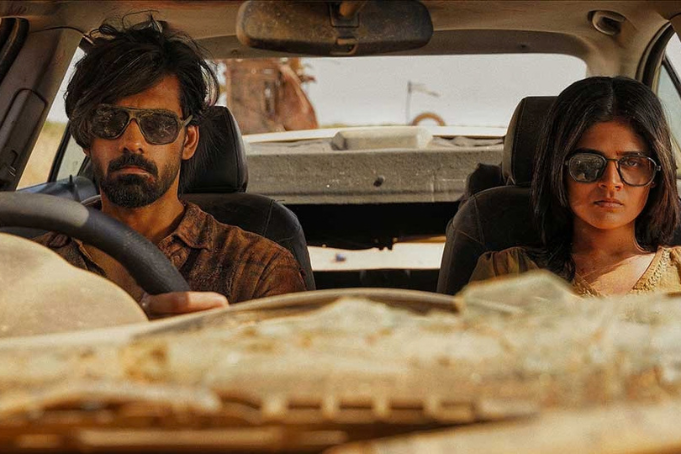
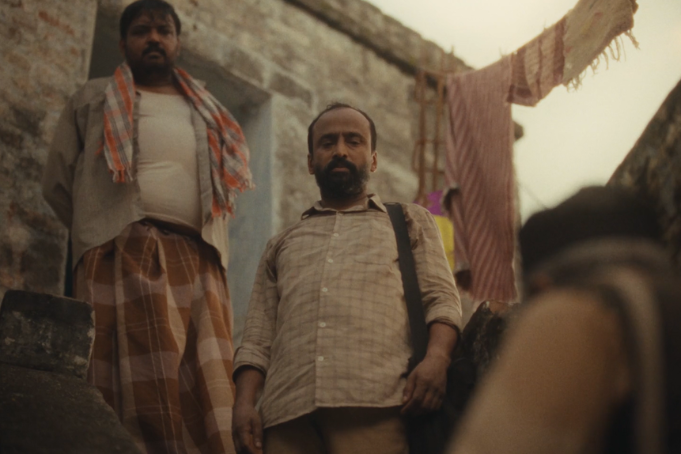
Hovering around Zaineen is the ghost of a traditionally beautiful bride who died inside a beauty parlour. The story is based on a real-life incident Hossain heard about as a child and later transformed into the film’s central horror. The ghost becomes a haunting reminder of the violence hidden beneath rituals that are otherwise presented as celebrations of femininity.
Despite her privilege, Zaineen’s body and life are constantly under surveillance. The police harass her and even her own driver crosses boundaries. Yet Hossain is equally interested in how patriarchy is internalised by women themselves. Zaineen willingly submits to being “processed” by the beauty and wedding industries, undergoing facial blood injections, body waxing and a series of rituals designed to produce an idealised version of her skin, hips, clothes and jewellery.
The women around her are similarly caught within the machinery they help sustain. The beauty parlour owner, played by Azmeri Haque Badhon, and Minoti, the parlour assistant played superbly by Reekita Nondine Shimu, are both participants in this system while also being shaped by it.
Then there is Aarman, Zaineen’s fiancé, who is almost impossibly mishti. The wealthy couple appear to live between Dhaka and New York and he is indulgent towards her in many ways. But when Zaineen begins questioning the marriage, he dismisses her concerns and offers the promise of a comfortable life in New York instead. His affection, however genuine, becomes another form of persuasion.
The film also turns its gaze inward, using savage humour to critique the world around its characters. At one point, the student revolution that brought down a government is reduced to a minor inconvenience on television news, with the response essentially being that at least the engagement can still go ahead. The absurdity captures the film’s larger point: social upheaval can shake governments while deeply entrenched ideas about women remain stubbornly intact.
In its climax, Zaineen makes a radical attempt to reclaim her identity. The transformation is not simply about escaping the beauty industry or refusing marriage. It becomes an attempt to take ownership of a body and identity that have been treated as commodities by everyone around her.
Hossain’s direction and screenplay are assured, although the film loses some momentum in its second half. Zaineen, who was Hossain’s assistant director before becoming the film’s protagonist, is superb, carrying much of the film’s psychological and physical intensity.
Hossain also consciously creates a female gaze through the film’s collaborators, assembling an almost entirely women-led creative team. The crew includes cinematographer Leonor Teles, editor Raphaëlle Martin-Hölger, sound designer Marie-Clotilde Chery and production and costume designer Jonaki Bhattacharya.
An international co-production between France, Germany, Bangladesh, Norway and Portugal, “The Difficult Bride” is represented for world sales by Films Boutique. Hossain is also a producer through her company Khona Talkies, which has supported new Bangladeshi voices including Mahde Hasan’s “Sand City,” which won the Proxima Competition at Karlovy Vary, and Aung Rakhine’s “The Last Post Office,” which screened at Locarno.
With “The Difficult Bride,” Hossain once again demonstrates her commitment to cinema that is feminist, formally adventurous and unafraid to make its discomfort impossible to ignore.




Comments are moderated. They may be edited for clarity and reprinting in whole or in part in Variety publications.