



Nov 17, 2026 3:08pm IST
Rushil Ranjan and Abi Sampa on The Orchestral Qawwali Project, Working With AR Rahman and Their India Debut (EXCLUSIVE)
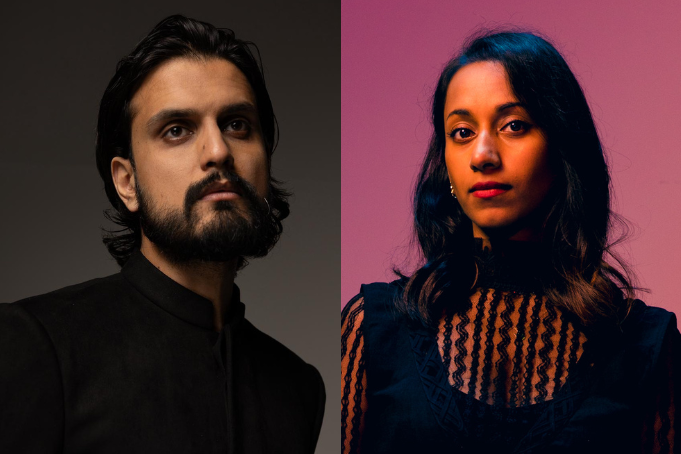
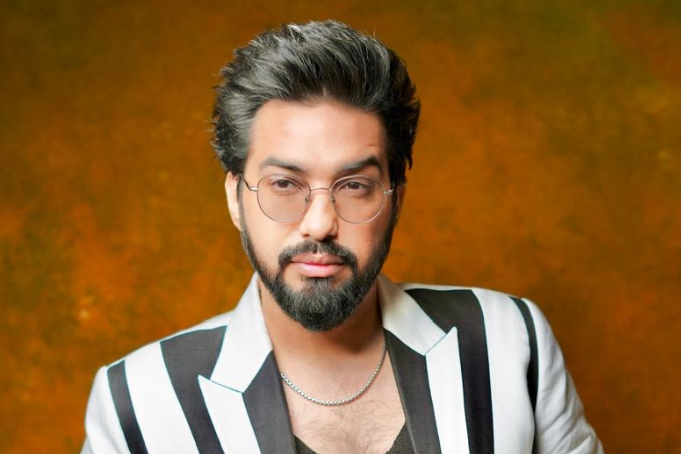
The culturally rooted qawwali genre has long been cherished by Indians, other South Asians and the diaspora spread around the world. A growing number of listeners from other cultures are now discovering the genre. One of the most prominent names on their playlists is Rushil Ranjan and Abi Sampa's The Orchestral Qawwali Project, which broke through during the COVID-19 pandemic, with a rendition "Man Kunto Maula" setting off their rise.
Formed in 2020, the duo has impressed audiences with its rapid rise. Ranjan is an Oxford graduate with a law degree, while Sampa was a dentist before choosing to pursue music full-time. From performing at London's historic Royal Albert Hall to collaborating with A.R. Rahman, the two have had an enviable run so far.
Talking to Variety India, Ranjan and Sampa delve into their upcoming India tour and how qawwali is perceived today.
Rushil, talk about how Ustad Rahat Fateh Ali Khan discovered you.
Rushil Ranjan: While I was at university, I was part of a music society that invited Ustad Rahat Fateh Ali Khan to visit. We had the opportunity to play music together, and a couple of years later, his management brought me into their team. I worked with him on several concerts, including a performance at Coventry Arena, in which he featured me.
Related Stories

Did the success of "Man Kunto Maula" change things for you?
Abi Sampa: It was our first orchestral qawwali release, and we had no idea it would go viral. Manish Malhotra used it in his campaigns, it was featured in an Eid ad and Abhishek Bachchan commented on how much he loved it. That exposure helped people discover more of our music and gave us a platform to start performing it live and taking it on tour.
What was working with A.R. Rahman like?
RR: A.R. is every bit the legend and the genius people know him to be. Before we started, I was certainly intimidated by the prospect of working with someone of his stature. But once we were in the room together, he gave me so much freedom to create. I'll never forget the excitement on his face when we sat in front of the orchestra and heard the work played live for the first time. Afterward, he said to me, "These are the happiest two days I've had in the past two years." That is something I'll always hold very dear.
What conversations did you have before going into "Rangreza"?
RR: A.R. and I spent time talking about what we believed the music could be and what we wanted to express through it. As a composer, you're often responding to a brief, serving a film or working within commercial constraints, with many people involved in making decisions about the music. With this project, we had the freedom to follow our own instincts and make something that meant something to us both. That became a 20-minute orchestral work that brought together qawwali, choral writing drawing on the Anglican tradition, and the musical worlds we each inhabit. In a world increasingly shaped by AI, there was something particularly meaningful about that deeply human endeavor.
A health issue halted your September performance plans. What happened?
AS: I had an operation near my vocal cords and was expected to recover in about six weeks. It took closer to two months, and my voice still needed more time before I could sing a full show. My doctors advised me to rest and reschedule. We were really upset because we had been looking forward to performing in India for so long.
Popular on Variety
You finally have the opportunity to. What reaction are you expecting?
AS: Honestly, I don't know what to expect and that's part of the excitement. We've wanted to do this for so long! India is home to one of our largest audiences and bringing this work to a place where qawwali has such deep roots means a great deal. I'm also excited by the growth of independent music in India, and it's wonderful to have the opportunity to be part of that, even briefly.
Where do you think qawwali representation stands in Indian cinema today?
RR: Different Indian music traditions find their place within cinema is constantly changing. Qawwali has such a powerful emotional and spiritual language that I believe it will always have a place within Indian cinema.
Qawwali singer Bismil has said he wants to take the genre to Coachella. What's your take?
AS: I think it's a great idea. We've seen how qawwali draws people from all sorts of backgrounds. You can feel the energy before you understand a word, and that feeling might lead you to explore the poetry for yourself. I'd love for more people around the world to discover qawwali and sufi music that way.
The Orchestral Qawwali Project will perform in Delhi on Dec. 5, Bengaluru on Dec. 6, Hyderabad on Dec. 12 and Mumbai on Dec. 13.







Comments are moderated. They may be edited for clarity and reprinting in whole or in part in Variety publications.