



Nov 29, 2026 4:00pm IST
‘Ramayana’ Opens Up the South Indian Market: Lessons Hindi Filmmakers Can Learn
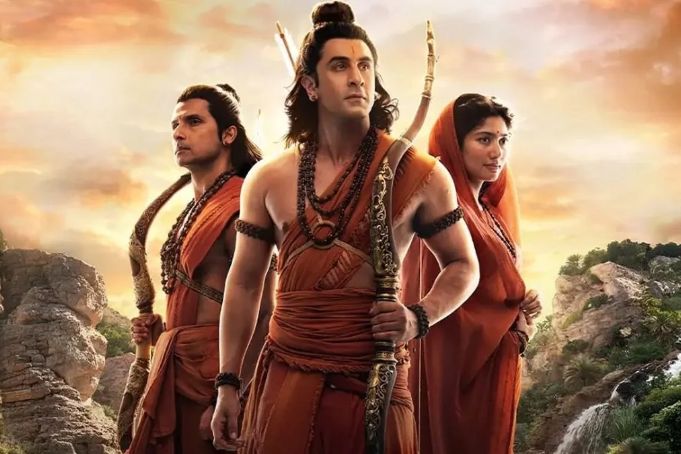
Beyond emerging as a global success, “Ramayana: Part 1” has achieved something no Hindi film has. It has resonated with South Indian audiences, making it a true pan-India hit from the Hindi film industry.
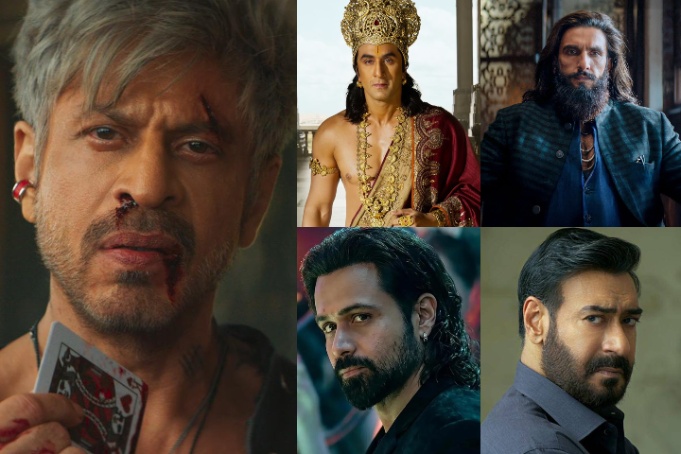
The film has become a major theatrical force in southern markets. With a collection of over ₹247 crore from the South-dubbed versions, it has contributed close to 25% of the total business. The mythological subject, scale, casting and Yash's southern popularity make it a distinctive case. While previous Hindi films like “War 2,” “Animal” and “Jawan” also had crossover celebs from South, “Ramayana” has connected with audiences, something Hindi films have historically overlooked.
However, the film’s success should be treated as a case study and not proof that every Hindi film can replicate it because of its cultural familiarity. This gives it an advantage that an ordinary commercial film may not have.
Related Stories

Beyond Dubbed Versions, A Film Needs A Regional Audience Connect
For years, Hindi producers assumed that film in multiple languages is enough to give it a pan-India identity and wider reach. However, dubbing into Tamil, Telugu, Kannada and Malayalam does not automatically translate into audience acceptance. “Ramayana” showed the importance of choosing stories that connect with audiences across languages through shared emotions, culture and themes.
The film is not exclusive to North India or the Hindi-speaking belt. The characters, stories and interpretations of “Ramayana” have existed for generations in the southern part of the country. Because of the subject’s familiarity, it gets an entry point into markets where Hindi cinema otherwise struggles to find a substantial audience.
“Ramayana” shows that for a film to connect with audiences across regions, it needs a story that resonates with them emotionally. It could be mythology, history, folklore or simply a compelling story with emotions and themes that people can relate to, irrespective of where they come from.
More Than Marketing Strategy, Regional Casting Should Be A Creative Decision
The biggest decision that worked in favor of “Ramayana” was its casting. Yash, one of Kannada cinema's biggest stars, plays Ravana, while Sai Pallavi is a familiar face to audiences across southern markets. Their presence helped the film connect with audiences who may not regularly watch Hindi films.
Unlike previous Hindi films, where the approach is often regional casting through cameos, supporting roles or collaborations designed to generate publicity, Yash and Sai Pallavi play central characters and their importance extends across the narrative. It gave audiences in Karnataka and other southern markets a reason to follow the film beyond its Hindi origins.
The South Is Not One Homogeneous Territory
One of the biggest mistakes Hindi filmmakers make is treating South India as a single market. Tamil Nadu, Kerala, Karnataka and Andhra Pradesh-Telangana all have different audiences, popular stars and film preferences.
Yash's popularity may help a film attract audiences in Karnataka. In Kerala, the story, performances and word of mouth may matter more. On the other hand, Telugu and Tamil audiences may have different expectations when it comes to stars, action and storytelling.
Studios need to understand these differences before releasing and promoting their films. They should work with local distributors and plan their campaigns according to each market. Simply dubbing a Hindi film or translating its promotional material into other languages may not be enough.















Comments are moderated. They may be edited for clarity and reprinting in whole or in part in Variety publications.