



Mar 18, 2026 8:37pm IST
Ignore vs Regulate: Indian Lyricists Weigh In On The ‘KD: The Devil’ Inappropriate Lyrics Controversy
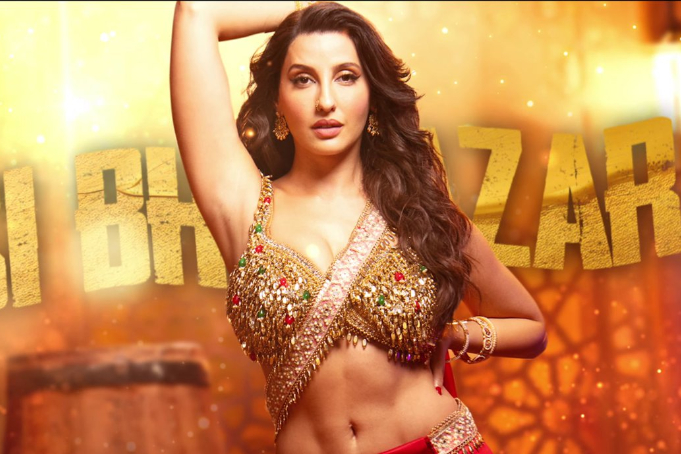
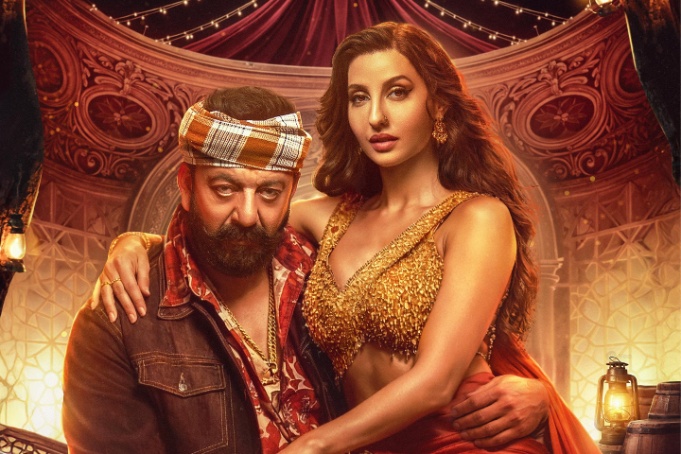
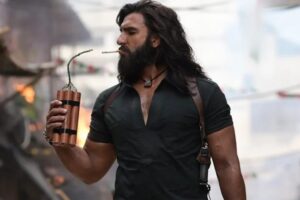
Over the past few days, the makers of “KD: The Devil” faced heavy backlash from the audience and industry stakeholders alike for their song “Sarke Chunar Teri Sarke,” featuring Nora Fatehi and Sanjay Dutt. The song, which was eventually pulled down from the internet, was called out for its obscene lyrics and questionable choreography.
Singer Armaan Malik also weighed in on the controversy, taking to X to express disappointment. “This showed up on my timeline, and I had to replay it just to make sure I heard it right. Sad to see commercial songwriting hit a new low..” he wrote. When a fan questioned who was approving such lyrics, Malik replied in a separate tweet, “I am genuinely at a loss for words. Wish I could unhear it.”
But the controversy opens up a larger, more complex question: where does a lyricist draw the line? The idea of an asset being taken down also raises concerns if such correction mechanisms are, in themselves, dangerous. Should there be censorship or age-based demarcation even for promotional content? Variety India reached out to lyricists to understand where they stand on the issue and the answers reveal a debate with no easy conclusions.
‘You Can’t Draw a Line on the Writer’
Lyricist Vayu ("Beat Pe Booty," "Naagin," "Sanedo Sanedo") believes that the responsibility of drawing boundaries does not lie with the writer at all. “The line to be drawn is by the censor; what they should allow and what they should not allow. Like for any film content that comes out, there is a censor board. So, if the censor board is not approving it for release on YouTube, then it should not be released.”
For him, writing itself is inherently limitless. “As a writer, you cannot draw a line. A writer has no limit. A writer is infinite. The only thing is what you allow in society.”
Related Stories
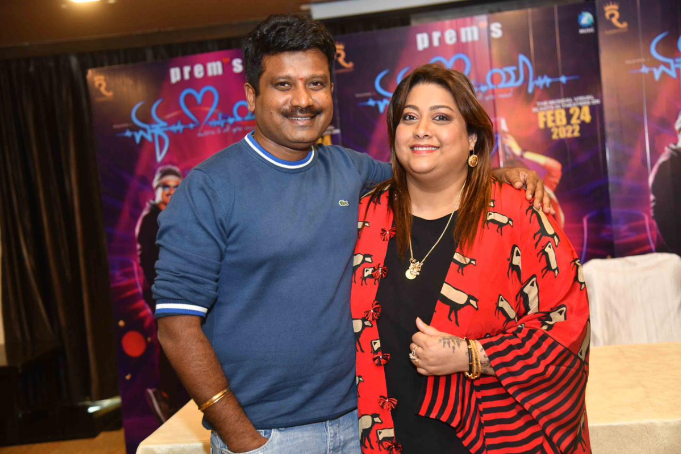
At the same time, he acknowledges that the controversial track itself may have crossed a line creatively. “It was kind of a bit beyond the line,” he said. Yet even flawed or “bad” content, he argues, has a place. “It is possible that the content is very bad. This song is very bad… it is written to titillate. There is nothing literary in it. But still, Mastram’s books were sold on bus stands. There was no literature in them.”
For Vayu, exposure, not restriction, is key to forming judgment. “This judgment will come only when you are exposed to all kinds of stuff. If you are not exposed, how will you even differentiate between what is good and what is bad?”
The Danger of ‘Pulling Down’ Content
While censorship may be necessary, Vayu warns that outright removal sets a worrying precedent. “Yes, this is a dangerous precedent. For any content in the world.” He argues that censorship itself is subjective and often influenced by personal or political biases. “If somebody sitting there doesn’t like it, then it doesn’t go through.”
Instead, he advocates for classification over erasure. “There should be censorship. It should be proper. But the content should not be pulled down like this. It should be limited… only people of a certain age can watch it, and they watch it by choice.”
‘Ignore It: That’s the Real Power’
Lyricist and filmmaker Mayur Puri ("Bezubaan," "Fursat") approaches the debate differently, questioning the very premise of moral policing in art. “Once you start drawing that line, you enter very shady waters of independence and artistic freedom. Who decides what is good and what is not?”
For Puri, the ultimate authority lies with the audience. “If you don’t like something, don’t consume it. If enough people stop consuming it, that kind of content will stop happening. It’s completely market-driven.”
He also dismisses the idea that art can fundamentally corrupt individuals. “One song is not going to corrupt a person. One film is not going to change people’s morality.” Instead, he locates moral grounding in upbringing. “Basic morality comes from your childhood… that has a bigger role in shaping a person.”
Moral Responsibility vs Creative Freedom
Interestingly, even while defending creative freedom, Puri admits that certain choices can be avoided. “Why should I write something that can be offensive? I think it’s a stupid choice. I don’t make it.” However, he draws a firm line against enforcement. “If you do it, it is totally your choice. How can anybody say what someone should or should not write?”
The Problem With Over-Policing
Both lyricists converge on one point: over-policing doesn’t work. “While you and I are chatting about it, the guy who made the song is making money, getting traction and attention,” Puri said.
He also points to unintended consequences. “When you start gatekeeping content, you’re throwing the baby out with the bathwater. Sometimes good content gets lost because of excessive policing.”
At the heart of the issue, lies a fundamental question: who draws the line? “Who’s setting those guidelines? One community? One group? You will never find a satisfactory sample group to set these laws,” Vayu said.
Raqueeb Alam On The Lyrics
Raqueeb Alam, who has been credited with the lyrics spoke to Variety India. He told us, “The song has been written in Kannada by the director and he told me to do a translation. It is not my creation.” He further said that he even felt a sense of discomfort with the lyrics and told the director about the same. However, he convinced him to just do a translation.
Raqueeb further explained, “I have written five more songs for the movie. I refused to write this but he told me to just fit in Hindi words, which he would put in the meter of the song. Now, I found out that I have been credited as a lyricist for the Hindi version. I am planning to reach out to them.” While Indian film music is known for songs that are laden with subtle eroticism, he said he understands the sentiments of people on social media. “I know it is a bit excessive,” he added.
The Final Word: Ignore vs Regulate
If there’s one takeaway from both voices, it’s this: there is no singular answer. Puri suggests disengagement as the strongest response. “The biggest punishment you can give an artist is to ignore them. By talking about it, you’re actually rewarding it.”
Vayu, on the other hand, calls for better systems, not stricter bans. “Anybody who wants to listen to any kind of content should have access to it. But they should be eligible to watch it.”
As the “KD: The Devil” controversy continues to spark debate, one thing is clear: the question of where to draw the line in art remains as subjective as art itself.
Between creative freedom, audience choice and regulation, the industry finds itself walking a tightrope; one where every step risks tipping the balance.





Comments are moderated. They may be edited for clarity and reprinting in whole or in part in Variety publications.