



Apr 08, 2026 2:47pm IST
How Indian Originals Are Powering Prime Video’s Global Breakout Strategy (EXCLUSIVE)
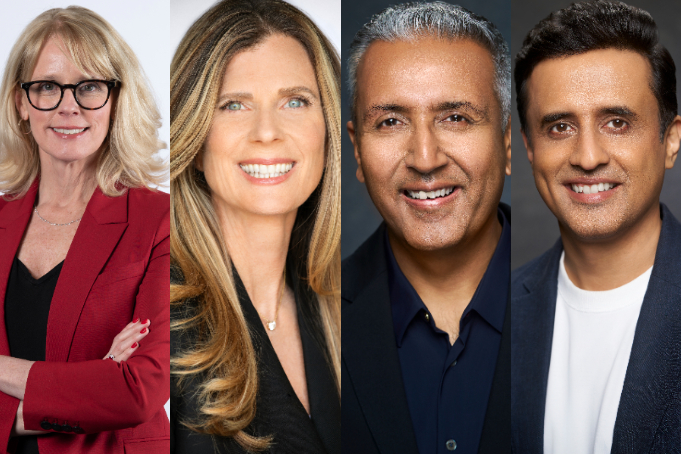
In a wide-ranging conversation with Variety India, Nicole Clemens (Head of International Originals), Kelly Day (VP, International), Gaurav Gandhi (VP, Prime Video APAC) and Nikhil Madhok (Director and Head of Originals, India) spoke about evolving audience habits, the rise of micro-dramas, why they are betting on longer episode arcs and how India is increasingly shaping global storytelling trends.
From Indian originals like “Mirzapur,” “The Family Man” and “Paatal Lok” to global hits such as “The Boys,” “Reacher,” “The Lord of the Rings: The Rings of Power” and “Citadel,” the platform has built a cross-cultural library that travels far beyond its home markets. The leadership also reflected on the challenges of a constantly evolving landscape, how creators can pitch to the platform and why India continues to be a key market on the global map.
Related Stories
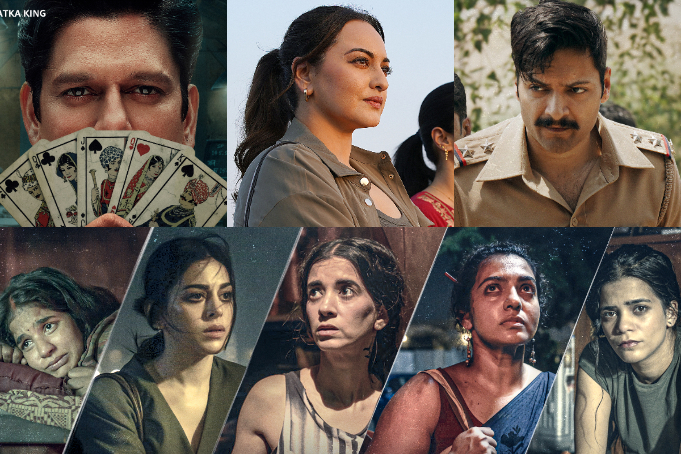
Talking about how audience preferences are evolving globally, Clemens said, “It’s not just an India story, it’s a global shift. Over the past few years, streaming has become the default mode of consumption almost everywhere, and now we’re seeing interesting evolutions within that. One of the most fascinating is the rise of micro-dramas and the growing appetite for shorter episodes paired with longer season arcs. At the same time, premium scripted series still largely hold on to the 8- to 10-episode, one-hour format, which continues to work well for large-scale storytelling. But with younger audiences in particular, there is a clear pull toward more flexible, bite-sized narratives. That balance between scale and brevity is something we’re closely watching and actively experimenting with across markets.”
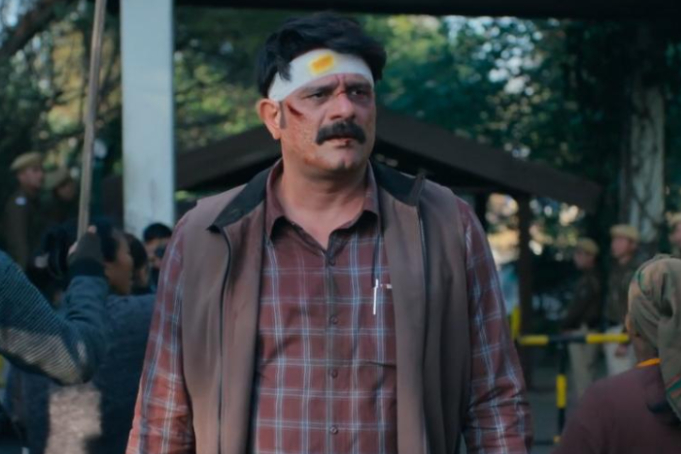
Paatal Lok
Expanding on the rise of micro-dramas, Gandhi added, “On micro-dramas, what’s interesting is how the formats are converging. On the SVOD (Subscription Video on Demand) side, we’ve moved from tightly packed six to 10-episode seasons to exploring longer arcs, sometimes even 20 episodes. At the same time, traditional TV is going the other way, cutting down from 200-episode runs to 50 or 60. Our core thesis is simple. These are character-driven stories, and audiences want to live with these characters for longer. That doesn’t always mean dropping everything at once. It’s about finding the right cadence and format that keeps viewers engaged over time while deepening that connection.”
Speaking about the global success of local and regional titles, Day said, “We’re seeing this across genres, but it’s especially pronounced in YA because younger audiences are inherently more global and hyper social. Social media plays a massive role in discovery and amplification, and today, we’re all part of one connected ecosystem. The data reflects that shift. A Spanish franchise, for instance, has crossed 100 million views, with nearly 90 percent coming from outside its home market. Even from India, seven of the top 10 non-English-language shows globally are Indian, which is remarkable. Ultimately, it comes down to universal themes. Stories around love, relationships and identity travel effortlessly. When something is well made, visually compelling and emotionally resonant, even with relatively unknown actors, it can break out globally and open up opportunities across markets.”
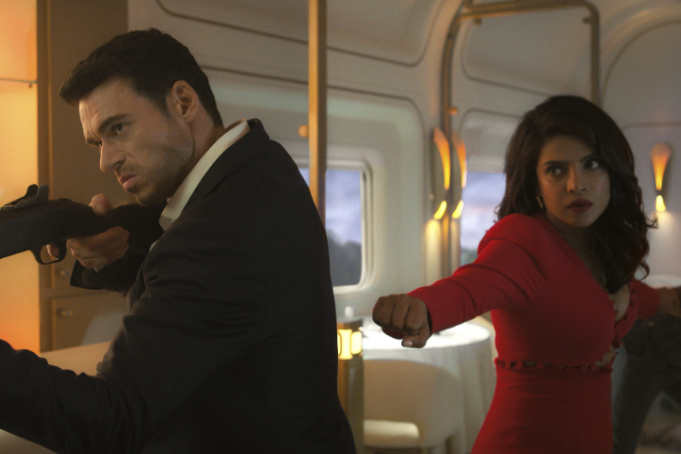
Citadel
Sharing insight into how a series gets commissioned, Gandhi said, “We typically commission around 15 to 18 Hindi series a year, but that comes from a pipeline of 600 to 700 pitches. It’s a massive funnel, which means we inevitably say far more no’s than yeses. That said, a no is never about a story not being good. It’s about fit. It may not align with our current slate, our brand, or what we’re already developing at that moment. We’re very conscious that a story not working for us doesn’t diminish its value. It might simply belong on a different platform or need more development.”
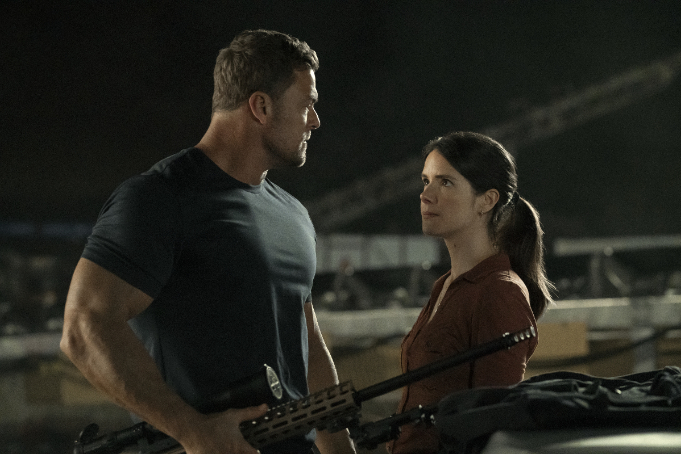 Reacher
Madhok summed it up with advice for creators: “If you’re truly passionate about your story, that’s the starting point. Nothing replaces that core conviction from the creator. Beyond that, clarity is key. Have a strong point of view on what you’re trying to say and who you’re saying it to. Often, when something doesn’t land, it’s because the audience isn’t clearly defined. A broad appeal can follow, but it has to begin with a clear voice and a clear viewer in mind.”











Comments are moderated. They may be edited for clarity and reprinting in whole or in part in Variety publications.