



Feb 13, 2026 2:02pm IST
‘Heated Rivalry’: ‘We’re Okay Watching People Kill, But Not Kiss’ — Onir, Apurva Asrani and Advait Chandan On India’s Queer Content Test (EXCLUSIVE)
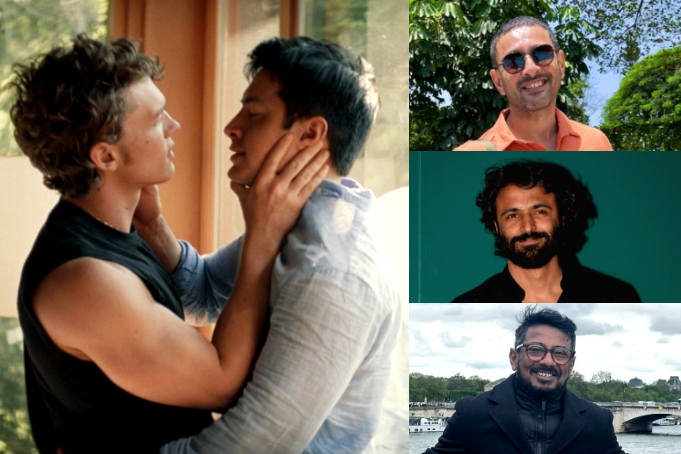
Between thrillers, power struggles, violence and blood-soaked posters, global audiences are currently hooked to a show that shouldn’t be labelled unconventional. Because this is exactly what conventional storytelling should look like. Yes, queer men are on screen, but they are not monuments, metaphors or moral lessons. Their sexuality is simply part of their lives.
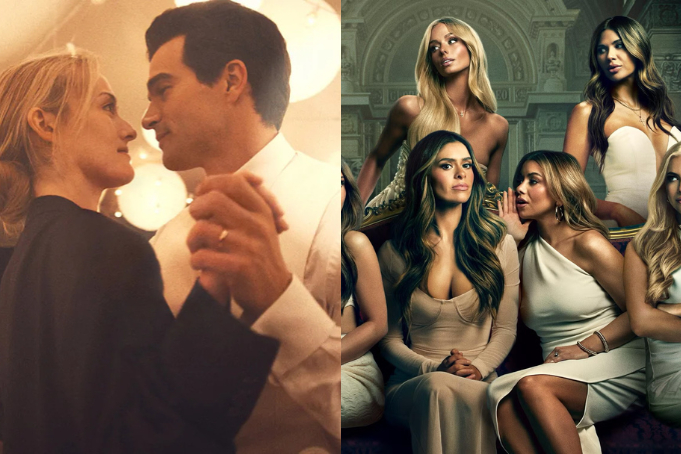
HBO Max’s "Heated Rivalry," starring Connor Storrie and Hudson Williams, follows two men in one of the most testosterone-fuelled sports as they fall unapologetically and obsessively in love. Charged with desire and layered with rivalry, the series never dilutes its sexuality or whispers its queerness. It declares it.
The show has been available across much of the world, but not India. Fans here have been waiting for it for years. Now, Heated Rivalry is finally set to premiere in India on Lionsgate Play in February 2026.
In a country still negotiating its comfort with queer storytelling, the question remains: are we ready for a show like this? More importantly, are we ready for something equally bold, or even more intimate, made here with Indian actors and rooted in local realities?
Related Stories
Indian stories about queer men have often leaned towards tragedy, social messaging, or, at times, caricature. Heated Rivalry offers a contrast. Sexuality is their reality, but it is not their entire life. They compete, desire, fail, win and obsess like any other protagonists.
It’s Not the Audience. It’s the Gatekeepers
For filmmaker Onir, the assumption that audiences are not ready is misplaced. “Let’s first get this clear, it’s not about the audience not being ready. Indians are already watching international queer stories across platforms. People are far more comfortable than we assume, especially when they’re watching in private,” he tells Variety India.
What remains uncertain, he says, is the system around them. “The real question is whether our programmers and platforms are ready. In the world’s largest filmmaking country, how many Indian queer films have you actually seen on major platforms? Representation is either missing or reduced to marginal characters.”
According to him, audience growth is directly tied to industry confidence. “No audience develops overnight. If platforms don’t invest and repeatedly present these stories, how will viewers evolve? Decisions are still driven by what gatekeepers believe will sell.”
Onir also points to a deeper cultural contradiction. “We have normalized violence to the point where children consume it freely. But when it comes to two men in love, there is discomfort. We are becoming a society where expressions of love feel more threatening than hate.”
The hesitation, he adds, is also shaped by who gets to decide what is mainstream. “Most decisions are made by cis heterosexual men who assume queer stories won’t appeal to them. But I don’t ask why I should watch a straight film. I just watch a good film. The inability to see beyond one’s own identity is the real barrier.”
Beyond Tragedy and Victimhood
Writer-director-editor Apurva Asrani believes the audience may already be ahead of the industry. “The idea that Indian viewers cannot handle unapologetic queer desire is outdated. What they resist is dishonesty and dullness. If the writing is confident and the characters are compelling and entertaining, viewers will invest,” he says.
He points to the evolution already underway. “Earlier stories showed queer men as isolated, oppressed, or fighting society. That was necessary at the time. The next step is to let queer characters exist without being defined by victimhood. To let them desire, compete and fall in love.”
For Asrani, the hyper-masculine sports backdrop of Heated Rivalry becomes a smart entry point. “By placing the story inside a competitive, physical world, the creators bring audiences into familiar territory first. Once you’re invested in that world, the tenderness doesn’t feel imposed. It becomes a narrative bridge.”
He also believes fears of backlash may be overstated. “At worst, there may be discomfort. Some awkward laughter. Some squirming. But that is very different from outrage. Repetition reduces shock. The more audiences encounter same-sex desire in different contexts, the less it feels like a provocation.”
“We Only Know We’re Ready After the Shift Happens.” Filmmaker Advait Chandan believes readiness can only be measured after the culture moves. “We did not know we were ready for a film on dyslexia. Taare Zameen Par came and changed the conversation entirely, not just about special needs but about parenting itself,” he says.
The idea of a large-scale queer love story in India is something he would embrace without hesitation. “An epic queer romance, I am in. I want to make it myself.” At the same time, he points to the industry’s moral paradox. “We seem perfectly okay watching people kill each other, but not okay watching two people kiss, queer or straight.”
India Might Be Ready. Is the Industry?
Ultimately, all three filmmakers agree on one thing: India may be ready to watch. The bigger uncertainty lies in whether the system is willing to take the risk, to fund, platform and market stories where queer characters are not symbols, sufferers or statements, but simply protagonists living full, complicated lives.
If Heated Rivalry finds its audience here, the next question won’t be whether India is ready to consume such stories. It will be whether the industry is finally ready to create them.






Comments are moderated. They may be edited for clarity and reprinting in whole or in part in Variety publications.