



Mar 11, 2026 11:00am IST
‘Heated Rivalry’ Creator On Challenging TV’s Double Standard Around Male Intimacy: ‘Tenderness Between Men Still Feels Radical’ (EXCLUSIVE)
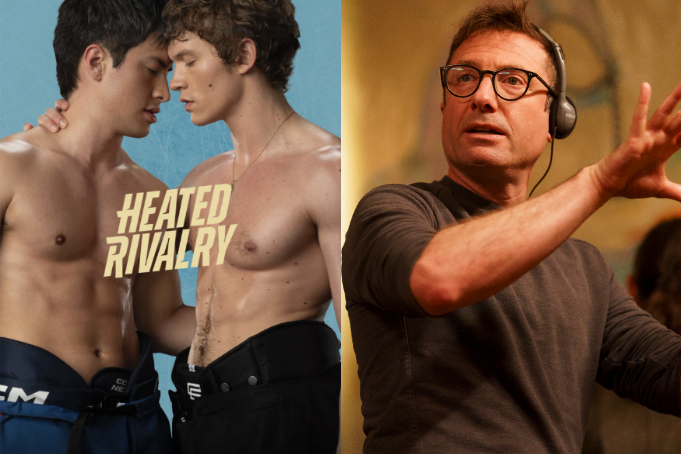
The world of Heated Rivalry has struck a chord with audiences, building a devoted fan base eagerly awaiting season two of the Hudson Williams and Connor Storrie starrer. The Canadian sports drama has been one of the most talked-about shows online over the past few months and has recently made its way to India on Lionsgate Play. Following its arrival, creator Jacob Tierney sat down for an exclusive conversation with Variety India to discuss the idea behind the series.
Tierney is clear about the story he wanted to tell. Rather than centering queer identity around pain or spectacle, his take leans into romance, intimacy and emotional complexity. In the conversation, he opens up about adapting a beloved book, navigating the contradictions of hockey culture, working with actors Connor Storrie and Hudson Williams, and why portraying tenderness between men on screen can still feel unexpectedly radical.
Queer stories are usually about trauma or triumph. Yours lives somewhere uncomfortable in between. Was that discomfort intentional?
It was a very conscious choice, and I should say that a lot of that is already in Rachel Reid’s books. What drew me to Heated Rivalry in the first place is that Rachel had written a queer love story that isn’t defined by trauma. The pressures are real but at its heart it’s a sweeping, emotional romance. It's important that queer stories aren’t limited to suffering. Those stories matter, of course, but they can’t be the only ones. What Rachel created with Heated Rivalry is something hopeful and my job was to bring that spirit to the screen and treat it with the same sincerity and scope that the books give it.
Hockey culture is built on toughness and unspoken rules. Did you see the locker room as a dangerous place, a safe one, or both?
I think it’s both. The locker room can be a place of real belonging, it’s where teammates bond, where trust is built, and where that sense of brotherhood forms. But those same traditions around toughness and masculinity can also create pressure about what you’re allowed to show or say about yourself. It’s an incredibly intimate space, physically and emotionally. So for someone who’s queer, it can be a place of genuine connection but also one where you feel the need to hide parts of who you are.
Related Stories
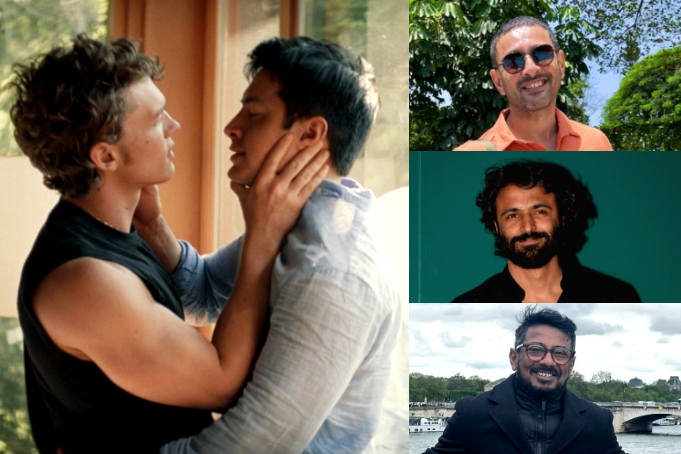

On screen, men being intimate is still treated more carefully than men being violent. Were you aware of pushing against that double standard?
That’s true in a lot of ways. We’re very used to seeing men express themselves through aggression on screen so tenderness between men can still feel surprisingly radical. For me, it was about treating intimacy with the same honesty and emotional weight we give to any love story.
What’s one moment with Connor Storrie and Hudson Williams — on set or off — that told you their chemistry was something special, but that audiences haven’t seen?
We had seen a lot of very talented actors individually, and Hudson and Connor were both great on their own. But there was a moment during the chemistry read when something just clicked. The chemistry was palpable. It had this intensity and authenticity that you can’t really manufacture and as a director that’s what you’re hoping for.
Fans already have a favourite scene from Heated Rivalry. But which scene do you consider the heart of it — the one that, if cut, the whole thing falls apart?
There isn’t just one moment. It's really the accumulation of smaller, connected moments that give it its heart. If you don’t feel the characters, the story just wouldn’t work. But if I had to choose a moment, it would probably be the cottage or the intimate scenes between Shane and Ilya in episodes 5 and 6. That’s where their relationship shifts from secret tension to real connection and acceptance. These scenes matter most because they show Shane and Ilya truly evolving and finally feeling seen.
What do you make of the huge following with female fans, especially straight women?
The built-in audience for the show was always going to be women. Romance novels have mostly been written by women and read largely by women. I knew that would carry over into the series, and that both straight and queer women would be at the heart of the fandom. Women have long been a major audience for male/male romance, going back decades in literature and fandom. It allows them to enjoy romance and intimacy without the usual pressures or expectations they experience. That’s part of why the show resonates so strongly. It offers a different kind of fantasy dynamic that really connects with many women.









Comments are moderated. They may be edited for clarity and reprinting in whole or in part in Variety publications.