



Nov 15, 2026 5:12pm IST
‘Being Heumann’ Review: Ruth Madeley Leads Funny, Fiery Drama About A Fight That Isn’t Over
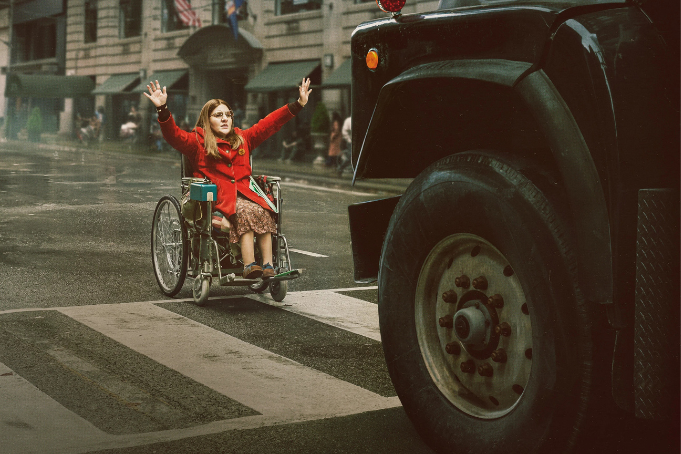
A film like "Being Heumann" needs to be seen, especially in India, where accessibility remains a challenge for millions. That is precisely why Siân Heder's film feels so timely. Based on the life of disability rights activist Judy Heumann and the historic 1977 occupation of a federal government building in San Francisco, it is a powerful reminder of a struggle that continues to this day.
Judy (Ruth Madeley) has had enough of bureaucratic delays and empty promises. Determined to see Section 504 of the Rehabilitation Act, a law protecting the rights of people with disabilities, finally implemented, she rallies a group of fellow activists and takes matters into her own hands. What follows is a 26-day occupation that becomes a defining moment in the American disability rights movement. Rather than turning this into a heavy-handed account of political resistance, Heder approaches the story with warmth and humanity.
That is one of the film's biggest strengths. It is heartfelt without being preachy and never asks audiences to feel sorry for its characters. These are people with personalities, opinions, ambitions and, crucially, a sense of humor, and the film understands that their lives cannot be reduced to their disabilities.
Related Stories


Small, sincere moments make the ensemble endearing. A scene in which wheelchair users race each other down a corridor is a lovely example. Despite the enormous mountain they have to climb, these activists find reasons to laugh, enjoy themselves and keep going. Such touches make the film feel lived-in rather than like a series of speeches about an important cause.
The cast deserves a great deal of credit for making this community feel real. While Madeley is the emotional anchor, the film never suggests this is one person's fight alone. Every activist brings something to the table, and the collective spirit of the protest is among the film's most compelling aspects.
Madeley does a wonderful job of portraying Judy's determination, frustration and unwavering belief in the cause. Mark Ruffalo, meanwhile, is just as effective as Joseph Califano, the government official whose signature is crucial to implementing Section 504. He is not a conventional villain, but his reluctance to engage with the activists makes him an imposing obstacle. Whether he is dodging their calls or fleeing the protesters outside his home, Ruffalo makes him easy to resent. It is a case of hating the character, not the actor.
Dylan O'Brien also makes an impression as Evan White, a reporter who treats the occupation as just another assignment until he becomes invested in the activists and their fight.
One of the film's most interesting dynamics is between Judy and Kitty Cone (Madeline Delp), a key figure in the protest. The two do not always see eye to eye, and their disagreements make for some of its best scenes. Their approaches differ, but their goal is the same, proof that even a united cause has its share of conflicting ideas.
Some sequences genuinely grip you, especially as the occupation gathers momentum and the activists realize just how much they are putting on the line. Yet what makes "Being Heumann" resonate beyond its historical setting is how relevant its message remains today.
For Indian audiences, the film strikes a particular chord. We complain about potholes, broken sidewalks, inaccessible public transport and infrastructure that makes the simplest tasks difficult. But how often do we consider what these shortcomings mean for someone with a disability? If navigating the world is hard for those without mobility challenges, one can only imagine the obstacles faced by people with disabilities.
And that is where "Being Heumann" really hits home. It is not merely about activists fighting for legislation. It is about people tired of asking for what should have been theirs all along: the right to live independently, move freely and participate in society without having to fight for every little thing.
"Being Heumann" leaves you with more than an emotional response to a historical struggle. It makes you question the world we have built and, more importantly, who we have left out of it. Whether in India, the United States or anywhere else, accessibility and inclusion should never be treated as favors. They are basic rights. And until everyone has equal access to them, the fight is far from over.

















Comments are moderated. They may be edited for clarity and reprinting in whole or in part in Variety publications.