



Mar 04, 2026 11:19am IST
Suresh Triveni on Making ‘Subedaar’ With Anil Kapoor: ‘I Wanted to Excite the Child in Me Again’ (EXCLUSIVE)
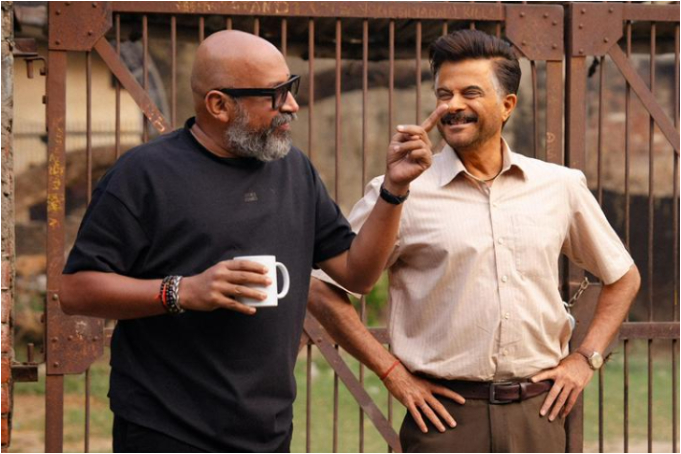
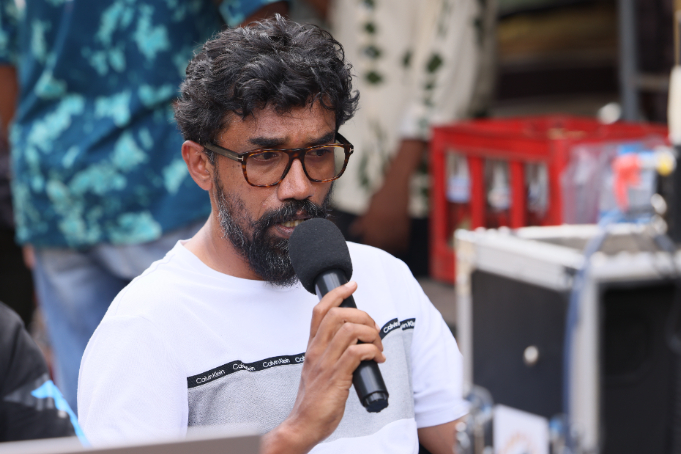
After telling intimate, character-driven stories in films like “Tumhari Sulu” and “Jalsa,” filmmaker Suresh Triveni is stepping into unfamiliar terrain: the world of action. His upcoming film “Subedaar,” headlined by Anil Kapoor, marks a tonal shift from his earlier work, while still holding on to the emotional core that defines his storytelling. The film, featuring an ensemble cast, including Radhikka Madan, Saurabh Shukla, Aditya Rawal, Mona Singh and Faisal Malik.
In this candid conversation with Variety India, Triveni talks about embracing scale without losing soul, working with Kapoor, resisting creative boxes, and rediscovering the childlike excitement that first made him fall in love with cinema.
What drew you to the action genre after two feel-good films?
I always wanted to make a high-voltage action drama. Not a mindless one, but one with a soul right in the center. That is where I think it originated from. The one-liner excited me. I liked that this subject explored anger as an emotion. Anil Sir agreed; he didn’t even hear the full script. He just said, ‘I am doing this film.’ So, I went all out. Somewhere, I felt that we were getting too boring in our own narratives. I wanted to challenge myself. “Subedaar” was not meant to be a flamboyant film. To be honest, It only became so when Anil said yes to it. People say that the third film is the easiest film to do. I should say it’s been the toughest and the most monumental film for me so far. But I wouldn’t trade this for anything else.
When penning the script, was Anil Kapoor on your mind?
Absolutely. My first interaction with Anil Kapoor was on a phone call. This was after “Tumhari Sulu.” On my first trip to London, my phone rang, and it said, ‘Anil Kapoor.’ I thought it was spam. He spoke to me a little and said we should collaborate. Then again, a couple of months later, he just called me to the preview of Sonam’s film. I spoke to him multiple times before I actually met him. It was later, while doing an ad, that I first met him over a Zoom call. On the ad shoot, and we hit it off superbly. I just love his energy. For me, that is very important. I’ve been very lucky; be it Vidya (Balan), Shefali (Shah), or Bhumi (Pednekkar), they walk in as actors and not as stars.
If ‘Tumhari Sulu’ was about finding voice and ‘Jalsa’ was about confronting truths, what is ‘Subedaar’ about?
“Subedaar” is about an ex-soldier finding his own identity with the world that he fought for, his family, and his own town. It’s about trying to have a reality check. Somewhere it also talks about the eroding morality of the society and where a man with high principles finds himself within all of it. It’s a response to a certain angst.
Related Stories
What are the questions you are personally trying to answer through this film?
There was no such deeper thing to be honest. The worst part about our industry is that, after the first film, which is the purest film that you make, people make you aware of who you are. 'Oh, you’re a nuanced filmmaker.' They put you in a box, and then you start imitating yourself, trying to be that person. I did not like it. I was getting bored. This film is mostly a response to the fact that I want to make different things. I don’t want to be boxed.
Is this your most commercial film?
I don’t know if this is my most commercial film. Because what is commercial? Commercial is when it earns money, right? I would say it is wide and accessible. 110% for sure. But at the same time, just because it’s wide and accessible doesn’t mean that it's about frills. There is a lot of emotion.
How do you define commercial cinema?
What has been put into our world about commercial cinema is that it’s anything that’s got song-and-dance, action, and larger-than-life drama. But eventually, ‘commercial cinema’ is ‘movies that make money.’ There is also so much commercial cinema that has not made money, so it's become just a term. When I was growing up, filmmakers like Mani Ratnam made commercial cinema, but then art was right in the center of it. Also Ram Gopal Varma. We saw that he made commercial cinema, and yet they went edgy. There was a lot of brain and heart in it. So, I’d say, this is my most unreal drama in the real world. If that is called commercial, then yes, this is commercial.
What does it take for you to put together a film? What’s your process like?
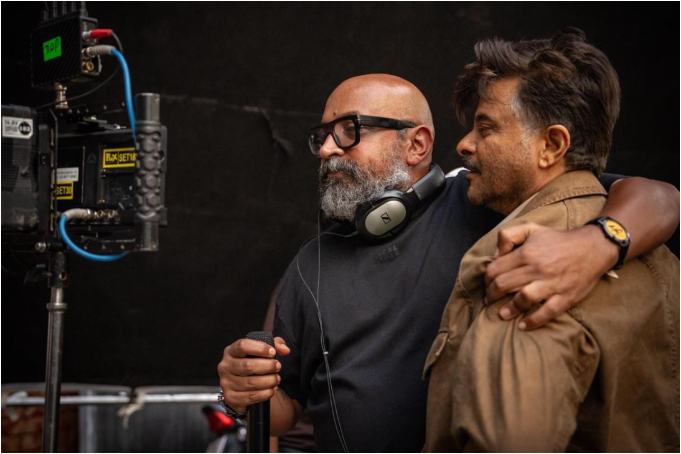
My process starts with a one-line idea. I have multiple ideas in my brain, I find that one idea that keeps me awake. Then I start by listening to a lot of music. And once I find music that resonates with my idea, I go about writing a logline, something in which I can just say the story in four to five lines. Once I am very excited about it, I tell my partner, Vikram Malhotra. He has been so encouraging about everything that I have done so far. When he says 'Let's go for it,’ I jam with a bunch of people who have been working with me for the last 10-12 years. I normally don’t take too much time writing my first draft. And after that, I keep working on it. I have a well-oiled team; they just help me out with everything. Like, I was working on two films, “Maa Behen” and “Subedaar.” It was the same team that helped me do both. So, yeah, it’s chaos. Somewhere in the chaos, some process happens, and eventually, I need to feel emotional about it. Otherwise, I won’t make it. We are making a story that doesn’t exist, and then you make it in the real world, and you get some 300-400 people coming together and getting charged every day and shooting that for 40-45 days. You have to be mad to do this. Luckily, I have a brilliant team. A team just makes your life so much easier. We shot this film in a 44-day schedule. And that’s not easy for an action-drama film.
How do you narrate your scripts to actors?
For me, narration is quite an event. I narrate my films like how I like them to sound. So, people have to bear my bad acting. I set up the mood with music and then start narrating it, playing every character. And every time I am narrating, I am actually not narrating to someone else; I’m actually, in my head, narrating it to myself because every time you narrate, you know your own flaws.
“Subedaar” has a great pool of talent. How did you go about the casting?
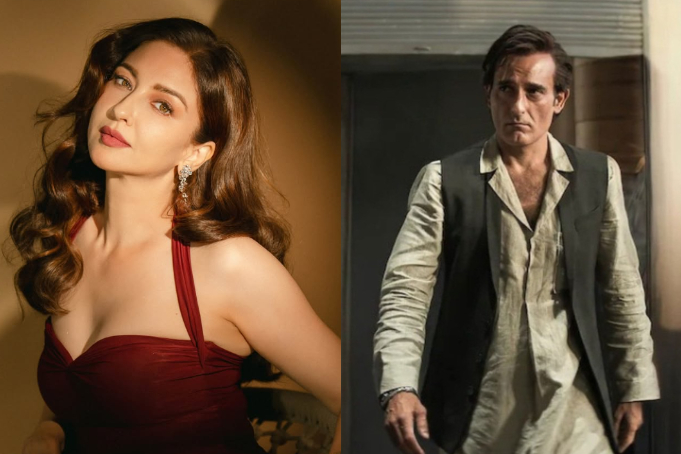
Casting was a joy. I usually go by gut feelings. I was very sure about Aditya Rawal playing Prince.. I had watched his film called “Bumfaad” during COVID, and from the time I met him, there was a certain swagger about him. I offered him this role. Initially, he was a little reluctant, but then he went all out for it. I know Mona (Singh) socially, and I always thought that she had a terrific voice. I asked her to do this role for me, and she agreed immediately. Faisal (Malik) is a dear friend of mine. He always does all kinds of comedy and over-the-top roles. Here, he plays an understated guy. And for Radhikka Madhan, we've been talking to, since my first film, and this one kind of worked out. Saurabh Shukla, I begged and pleaded and got him in this film, because I just love him. And he was gracious enough to agree to all my resources. He and Anil sir had great chemistry. This cast was a dream cast for me, and the great response to the trailer shows everyone has liked it.











Comments are moderated. They may be edited for clarity and reprinting in whole or in part in Variety publications.