



Jan 31, 2026 9:58pm IST
50+ Hindi Films Lying Unsold as They Struggle To Find Distributors, OTT Buyers
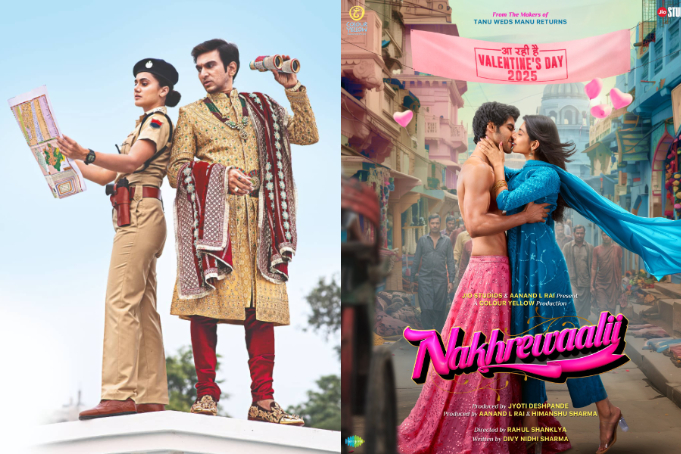
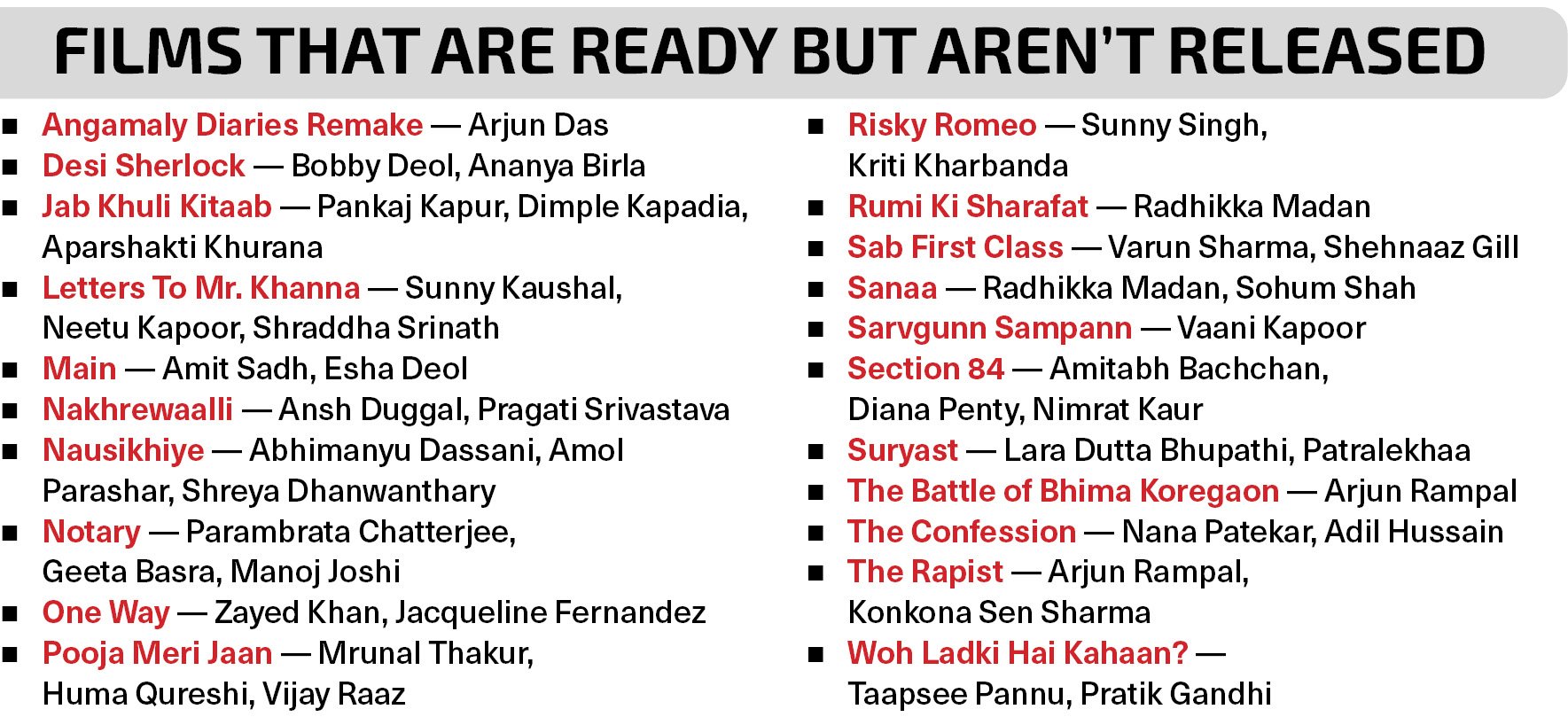
Small and mid-budget films, in the Hindi film industry, particularly in the ₹12 cr-35 cr range, have been struggling for theatrical release. Occasional breakout hits like 12th Fail, Ek Deewane Ki Deewaniyat and Mahavatar Narsimha help boost confidence. However, according to experts, more than 50 small and mid-budget Hindi films, which are currently ready for release, are lying unsold, unable to find theatrical or streaming buyers.
Stuck in limbo
“It’s not that we ever had a well-structured system for smoothly releasing small and medium-budget films, but pre-COVID, these films were at least getting a chance. Now, studios are not taking a leap of faith on smaller projects. Even streaming platforms have stopped buying films after several expensive acquisitions failed to deliver returns. They want films to prove themselves theatrically first, leaving these films stuck in limbo,” says a director on condition of anonymity.
The paradigm of the theatrical release system altered during lockdown. With movie theatres shut, filmmakers were looking for alternatives, streaming platforms jumped and bought films at premium prices, which benefited both sides — films earned revenue without box office pressure, while streaming platforms witnessed explosive growth in subscriptions. The platforms spent heavily in content acquisition — until they realized the spending was not driving growth. And with that came a sharp decline in direct-to-digital release acquisition.
Now, all streamers -- Netflix, Prime Video, Jio Hotstar and ZEE5 have significantly reduced outright acquisition. Their subscription base has plateaued. New titles they acquire are either ones that have released and worked in theatres, or projects that are backed by big production banners with bankable stars. Smaller banners continue to face rejection.
Related Stories

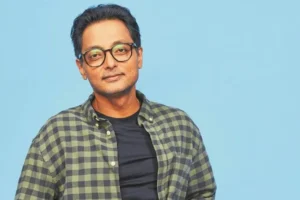
Says filmmaker Kanu Behl (Titli; 2014), “The OTT space has very few players and is being actively consolidated leading to a future with even fewer players. On top of that, the commissioning ecosystem is opaque and vague, with projects commissioned and then cancelled, guidelines for content change overnight, and stale platitudes shelled out to the few who dare to ask questions. It is the OTTs who paid obscene amounts for substandard content to begin with and created this saturation for themselves.”
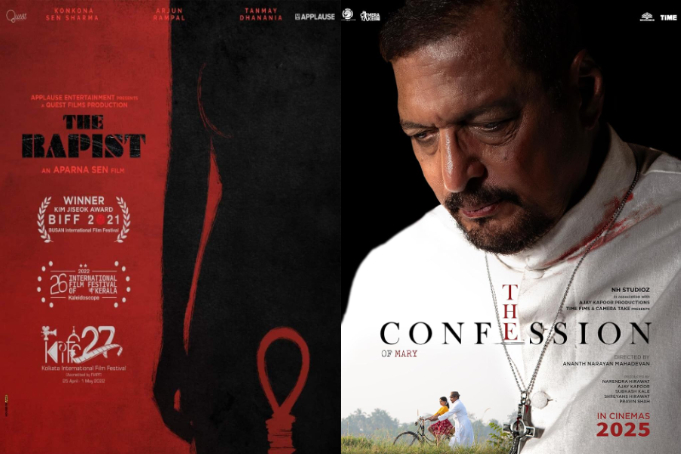 OTT dependency is 'injurious'
When OTTs started throwing money to buy films, producers saw an opportunity and green-lit multiple projects assuming guaranteed digital sales. By the time these films were ready, the streaming business cycle had reset. In result, a glut of films which were primarily made for OTT audiences had no platforms willing to buy. Producers had no conviction to release them in cinemas because these films lacked traditional theatrical hook elements.
“Everyone wants a pre-sale digital deal to secure their losses and when they aren’t getting it, they hesitate to go theatrical because that needs pumping in P&A (Print and Advertising) and that only makes the landing cost even more tough to cover as theatre-going audiences have dwindled. Making a film is not challenging as much as releasing the film as break even has only got tougher,” reveals an associate film producer.
A theatrical release doesn’t guarantee a streaming deal. In case the film fails to garner the attention of moviegoers, OTTs also refrain from buying it, further frightening small film producers to risk theatrical exposure. “We’re trapped in a numbers game,” says a filmmaker whose completed film has been unreleased for the last two years, adding, “Studios are chasing mostly star-driven projects capable of crossing ₹100-200 crores at the box office. Meanwhile, streaming platforms, which were supposed to champion fresh voices and small films, also now obsess over viewership metrics. They don’t care about the quality and are going after big names who assure viewership. That’s why they spend heavily on films like Gehraiyaan and Naadaaniyaan, but refuse to buy superior quality with lesser-known stars.”
Having been rejected by streaming platforms, some films have opted for alternative releases. Arjun Kapoor and Bhumi Satish Pednekkar’s The Lady Killer was released for free on YouTube. Nawazuddin Siddiqui-starrer Adhbhut ended up streaming on Sony Max television, while Anurag Kashyap’s Kennedy released on Letterboxd’s V.O.D. (video on demand) platform, nearly two years after its Cannes premiere. These options might serve as lifelines for unsold films as it enables producers to at least break even or recoup their costs, but it’s far from being revenue-friendly.
 Conviction Is the Solution
With OTT also reaching a saturation point, the solution is to go back to basics. Cast and crew have to work together to keep the overall cost manageable. If your film is good, push it out. Audiences do come for films that are engaging and entertaining.
Producer Tanuj Garg of Ellipsis Entertainment, which has backed films like Neerja (2016) and Tumhari Sulu (2017), echoes, “With digital platforms reaching a point of saturation — having pre-committed resources to a mix of successful and underperforming content for the next two financial years — their capacity and appetite for further acquisitions have tightened, resulting in an increased reliance on what is perceived to be safe, low-risk content. In this environment therefore, a number of mid-size films, despite being markedly superior to some larger projects, are unable to secure meaningful trade support. We urgently require a truly robust release ecosystem for mid-size films — a visionary platform with the conviction and courage to take meaningful leaps of faith.”
Mid-sized producers and independent filmmakers will always find the going tough without the support from big stars, says producer Nikhil Dwivedi of Saffron Magicworks, “When Dharmendra said yes to Basu Chatterjee film, or Amitabh Bachchan or Rekha said yes to Hrishikesh Mukherjee, they dropped their market price by almost 1/4th. That has stopped happening now. Stars don’t want to patronize such cinema anymore and hence they’re finding even lesser takers.”
Are we as an industry, to give every kind of film a release, what can be done? “The future is to reach the consumer directly. It is for the larger community to come together and create their own distribution ecosystem, perhaps even their very own OTT, to be able to reach out to the large audience base that is screaming to watch something they can connect with,” adds Behl, who recently found support from across the Indian film industry over multiplexes denying shows for his film, Agra.
“The problem maybe so far was that there was not one industry. We were a bunch of individuals that were fending for their own selves. We are on a cusp. A huge chunk of filmmakers are tired of unchecked monopolistic practices and a small number of corporations getting deals to dump inferior content,” concludes the director, promising that “we’re coming together and forming a body that can help negotiate for us as a community and hopefully constructively plug holes in the system.”
Aamir Khan attempted to break the OTT domination with Sitaare Zameen Par by avoiding the streaming platforms for its digital rights and instead opted for a pay-per-view model on YouTube. He challenged the ecosystem the filmmakers have become used to, but he failed to succeed.






Comments are moderated. They may be edited for clarity and reprinting in whole or in part in Variety publications.