



Feb 13, 2026 2:19pm IST
Netflix India’s Content Head Monika Shergill: “Indian Viewers Are the Most Experimental In the World” (EXCLUSIVE)
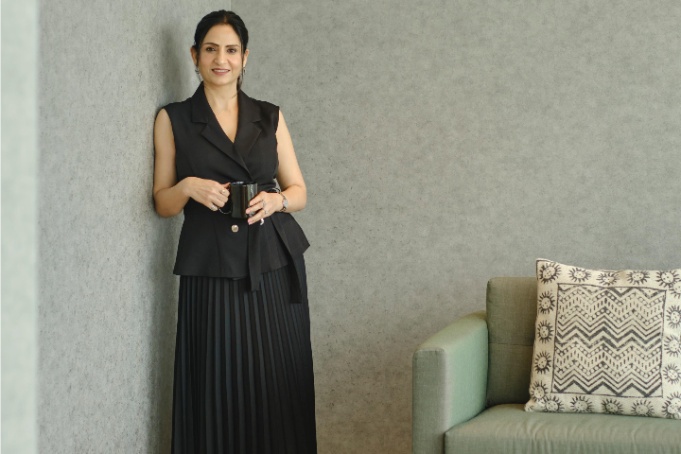
Netflix India has steadily evolved into one of the most dynamic commissioning ecosystems in the country, backing everything from prestige drama and documentaries to reality formats and mainstream entertainers. As the streaming giant unveils its 2026 slate, Monika Shergill, Netflix India's Content Head, speaks to Variety India about the shifting viewer mindset, why polarising reactions can be a good sign, what makes a project feel truly 'Netflix', and how the platform is expanding into newer formats like telenovelas and captive reality.
Excerpts from the chat:
We often hear the Indian audience is evolving fast. What is today’s viewer telling you that they weren’t five or ten years ago?
I think the Indian viewer is one of the most experimental and adventurous viewers in the world. We are incredibly heterogeneous and diverse in our tastes. Context shapes what we are exposed to, and even the environment in which we watch content determines what we choose at a certain time of the day or in a certain mood. But beyond all of that, Indian viewers are extremely open to experimentation. That is what is making them evolve rapidly. It is not just about Indian stories, which audiences obviously love, but also about how seamlessly they now watch Spanish, Korean, Japanese, German, French and English content. India has always been one of the most defining markets for Hollywood content, but what is fascinating today is the ease with which audiences are embracing stories from everywhere. Indian viewers are evolving quickly because they are constantly exploring and expanding their palette.
 Has any audience reaction ever genuinely surprised you, something you didn’t see coming while greenlighting?
Not from India, because we are deeply attuned to our audiences and we try to stay close to what they respond to. But I do remember being surprised by how well "Dark" performed. It was a German series, highly complex, layered and intense. Yet it did remarkably well in India. That tells you something important about Indian viewers. They are open, curious and welcoming. If you give them something that is extremely well-made and introduces them to a new world, they will embrace it. At the same time, they also love simple, wide storytelling that can be enjoyed by everyone. That range is what makes the Indian audience special.
 When a show like "Dark" becomes a cult hit globally, does it reaffirm your belief in backing unconventional storytelling?
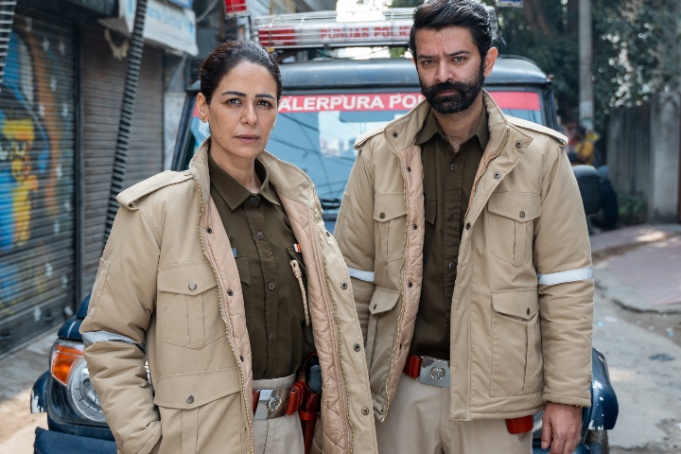
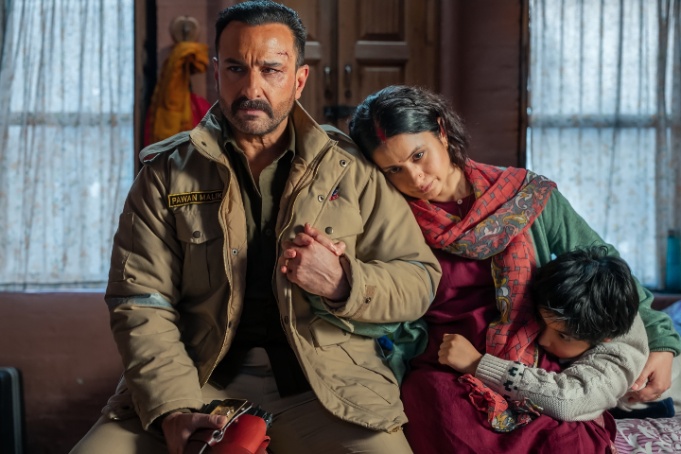
Absolutely. And it also reminds me of "Kohrra". It is such a specific show, deeply rooted in Punjabi culture, with a very distinct mood and pacing. It is immersive and not designed to be universally appealing in the conventional sense. But what surprised me was how instantly audiences connected with it. The way Sudip Sharma, Gunjit Chopra, Diddi Sisodia brought it together was so authentic that people immediately responded to it. We are out with Season 2. It is still a story that is very much a mood, but I genuinely believe people will love it. Indian audiences have a strong instinct for authenticity. When something feels real, they pick it up immediately.
Which homegrown Netflix India titles do you feel truly redefined what the platform can do?
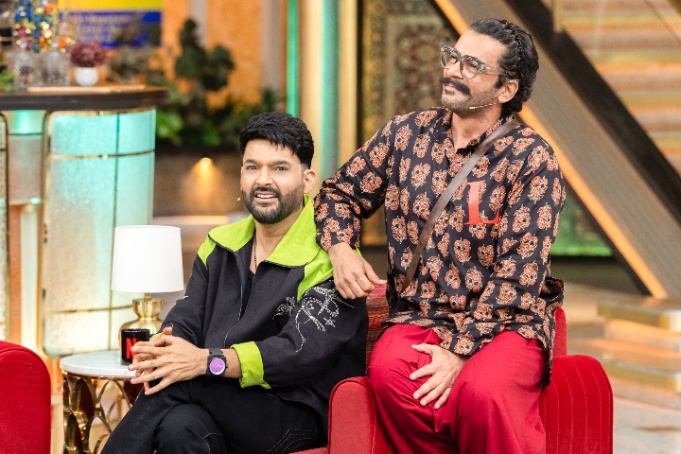
There are many, but "Mamla Legal Hai" is a strong example. It was a complete experiment. People questioned why Netflix would do something set in a Patparganj court, because there is this persistent perception that certain stories are “not Netflix.” But Netflix is everything that audiences want to watch, and also what they do not expect us to do. We like to surprise and delight. There is also a misconception that elevated storytelling only means crime, darkness, or intensity. That is not true. Kapil Sharma is the biggest example. Many people felt that if Kapil Sharma comes on Netflix, Netflix will no longer feel like Netflix. But I feel Netflix becomes even more Netflix because Netflix is entertainment. It is about making people happy, and giving them a wide variety of stories.
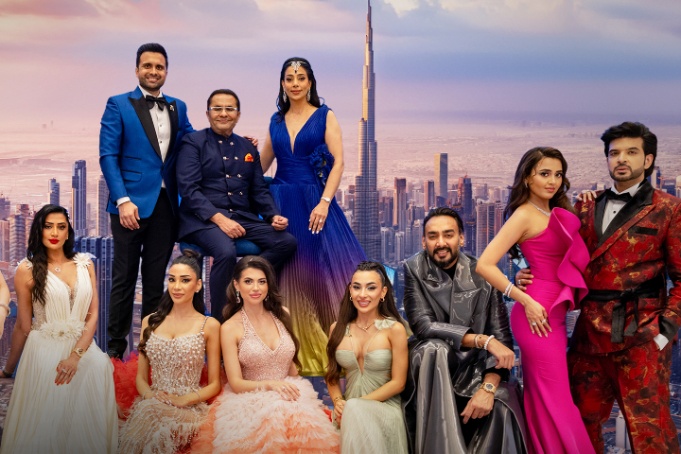
That is why I often say Netflix DNA maps to the country’s DNA. India is diverse, and Netflix has to be diverse. Netflix is like an ocean. We constantly break the myth that prestige content is superior, and mainstream content is somehow lesser. There is no hierarchy. Great storytelling exists across genres. We program everything, from documentaries to new reality formats, to guilty pleasure viewing like Bollywood Wives. This year, we also have "Desi Bling", which is going to be a juicy series around NRIs in Dubai. For me, Netflix is everything that has the potential to entertain, challenge you, or make you experience something new.
 A lot of writers still say, “This is not Netflix.” How do you break that perception within the industry?
I am glad you used the word perception, because there is a preconceived notion that Netflix, because it is a global brand, will program India exactly like it programs other markets. But the biggest truth about Netflix, and the reason it has grown into the leading streaming brand, is that in every country we belong to that country. The teams are local. The relationship with the creative community is close and collaborative. And the stories have to smell like India. They have to be of India and from India. Over the last decade, our journey has been about experimentation and constantly moving closer to our audiences. Listening, learning and iterating. Entertainment is built on hits and misses, so you have to be prepared to learn and you have to be prepared to be bold. You also have to encourage creators to take risks. Sometimes we say no not because we do not like a story, but because we feel it can go further. We want creators to push the envelope. That is why Netflix is involved. We bring learnings from how audiences are watching today. Audiences have agency. It is not only critics who decide anymore.
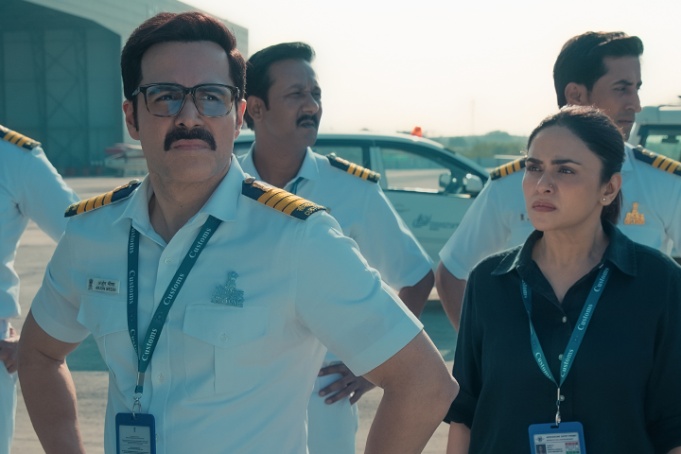
We are learning from India and from the world, and we want our creators to come closer to their audiences. Netflix becomes the bridge between the creator’s vision and audience discovery. A great example is "Operation Safed Sagar". The creators were new, and they had never mounted something of that scale. But they had a brilliant idea based on a real Air Force mission. We rallied around it, built a team, and backed it. India needs new voices, and we have made one of our biggest bets of the year on new creators. That is how we demonstrate we are in it for the idea and the journey. The outcome is always up to the audience.
 How do you respond to creators who feel Netflix’s mandate keeps shifting every year?
Audiences are evolving extremely fast, and we are a service. We should never stay static. We are here to keep doing new things. But that does not mean there is a fixed mandate. We are not a bank or a transaction company. We are a storytelling home. We want the best stories from India to reach the world.
We have taken nearly 800 films globally from theatrical cinema, and we have programmed over 200 original titles since we entered India, across series, films and unscripted formats. For us, innovation is the only constant. We challenge ourselves and we challenge our ecosystem because audiences deserve the best stories from India. When Indian audiences are watching the best from across the world on Netflix, we also have a responsibility to build stories from India that can proudly travel globally.
Related Stories
When you greenlight a project today, what’s the biggest deciding factor?
It is always the power of the story and the vision of the creator. You can have a great idea, but you may not see the path to making it. But sometimes a creator’s vision is so clear that the path becomes possible. So for me, it is the idea, the vision, the passion, and what we can enable through resources and partnership. We do not evaluate budgets first. We evaluate the idea first. Then we figure out what scale the story needs. And if the story is strong, you do not overthink the audience size. The audience will find it.
Can you name a title where the creator’s vision made you say yes instantly?
There are many examples, especially with the large projects. "Heeramandi", "Operation Safed Sagar", and "Taskari" are strong ones. "Taskari" is a good example of ambition. It is a story of smuggling across countries, mounted across multiple locations. It could have been a film, but it needed an immersive series format. A creator like Neeraj Pandey has a clear vision of how to build that world. Our job is to understand what the creator wants to do and help them execute it.
Similarly, "Chamkila" is a story where only half the film was on the page. The film was in Imtiaz Ali’s mind. He knew he would find the shape of it through the process. When you lean into an idea like that, you have to be excited by it. You have to be an executive who is genuinely partnering with the creator, almost like a creative producer, walking the journey from inception to release.
How do you decide which creative risks deserve patience, especially when early viewership data is slow?
Netflix is patient when it comes to releases. We are impatient when we are making content because we like to work at speed and build volume. Audiences have different moods, and they want variety. When something drops on streaming, that day is Day Zero. It is not the end of the story, it is the beginning. Discovery happens over time. Word of mouth builds. Conversations build. Social chatter grows.
We see it very clearly. People start sharing clips in WhatsApp groups. Reels begin circulating. Suddenly a show becomes part of pop culture. That is what we call the Netflix effect, when something breaks through and becomes part of the zeitgeist. Look at Heeramandi. The way people dressed up, created videos, even corporate content using dialogues. That kind of cultural takeover does not happen overnight. It happens when you allow audiences time to discover and experience something.
When you finally step away from work, what do you actually watch for yourself?
You might call me boring, but I am a news buff. I like to know what is happening in the world. It informs me even while reading scripts or watching content. Of course I love series, but over the holidays I watched a lot of films because I wanted to understand what is shifting globally. We are seeing a clear shift. Series are in an interesting moment, franchises are being built, and we are building many. Films are also in a moment where audiences are consuming long-form differently because of short-form culture. Documentaries are also a big go-to for me. So I am a mixed bag. Some of it is personal viewing as a consumer, and some of it is creative curiosity.
Has your personal taste ever influenced a programming decision, even subconsciously?
Instinct is important. You need your ear to the ground. You need to sense what audiences might embrace or be surprised by. But you also have to be very mindful that you are not programming for yourself. My personal taste cannot define what India watches or what the world watches from India. That is why my team has different tastes. Creators have different tastes. Writers’ rooms are designed with diversity of voices. Even casting decisions can widen a story dramatically beyond what was written. Ultimately, the goal has to be what is best for the story. When you start thinking like that, the project becomes bigger than any individual perspective.
Do South Indian titles travel more seamlessly than Hindi content, or is that distinction outdated now?
 I do not think there is a major difference. South India has powerhouse creators who often take bold and ambitious bets. There is sometimes a rawness and specificity in South storytelling that is very compelling. The worlds, the characters, the settings feel deeply rooted. Hindi cinema has also created ambitious stories, but South storytelling often feels more sharply specific. That said, all languages travel today, and streaming has made that possible. Not just within India, but globally. We see Indian stories lighting up countries where even diaspora is not strong enough to explain it. That shows we are in a moment where Indian stories are finding their voice. Netflix personalization also helps. If someone loves crime, drama, romance, or Bollywood cinema, those categories travel globally and audiences discover Indian stories naturally.
Popular on Variety
Netflix has announced its 2026 slate. What makes this year’s lineup different?
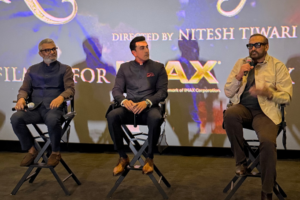
Every year we try to do something new, and we are seeing that audiences respond when we take those bets. This year I am particularly excited because we are opening up new genres and formats. We are getting into the telenovela category. We are also trying captive reality, which we have not done before. It may even be one of the first captive reality formats across Netflix globally. So this year we are experimenting not only creatively, but also with how audiences will respond to these new formats on the platform.
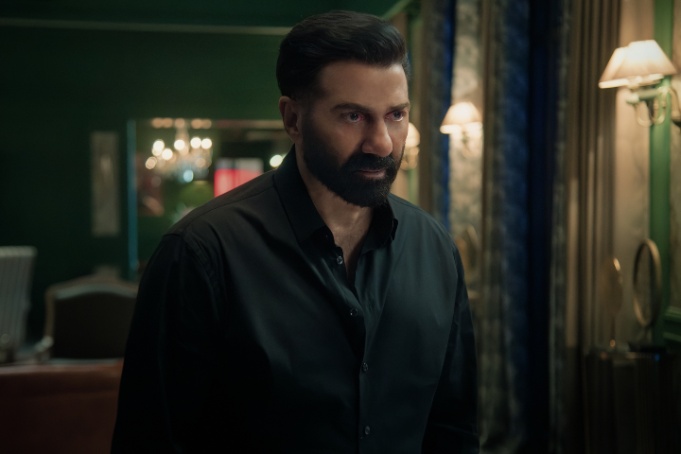
We also have many new creators coming onto the service, alongside some of our biggest and most respected names returning. Even "Lust Stories 3", for example, has an incredible lineup of directors, Vikramaditya Motwane, Kiran Rao, Shakun Batra, and Vishal Bhardwaj. These are stories of intimacy and desire, told in a deeply human way. Then we have "Ikka", which is Sunny Deol and Akshaye Khanna’s first Netflix original film, decades after "Border". And it is a courtroom drama. They are not fighting with action, they are fighting with intellect, which is exciting.
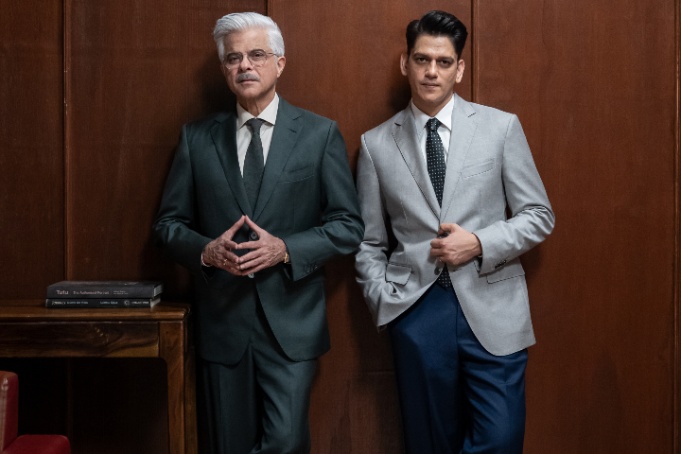
We have Anil Kapoor as a tycoon in "Family Business", a drama on power and succession, directed by Hansal Mehta and produced by Abundantia. We have "Operation Safed Sagar". We have "Glory", a sports drama by Karan Anshuman. We have "Hum Hindustani" with Rahul Dholakia, a film about India’s first elections and the making of Indian democracy. We are also honouring emotional storytelling. Hello Bachon is one of those projects that makes me cry every time I watch a cut. It reminds you that stories have the power to change lives. It is a true story about one teacher who changes the world.
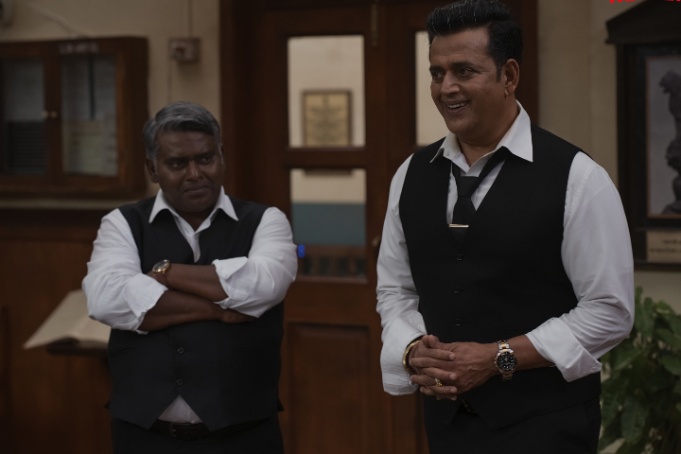
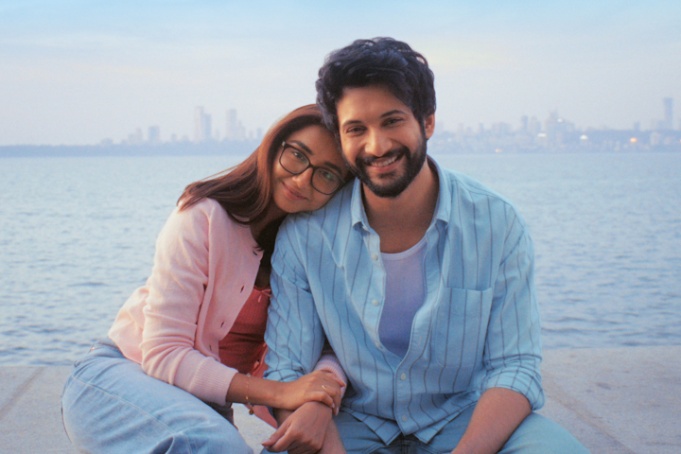
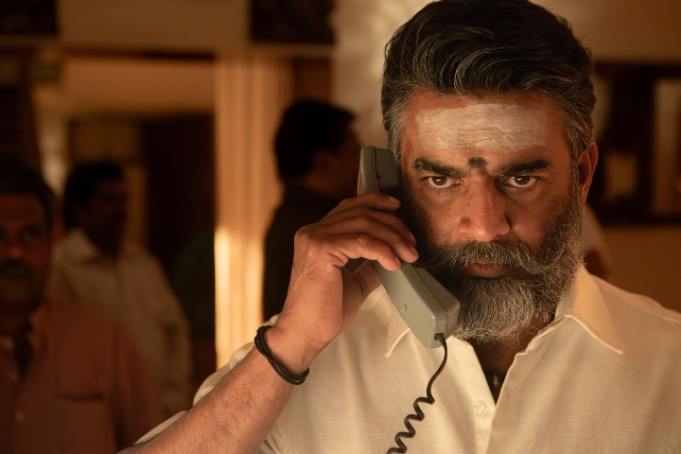
We also have a Telugu series "Super Subbu", which is delightful. We have "Legacy" with Madhavan and a stellar cast. We have returning seasons like "Mamla Legal Hai Season 2". "Mismatched" is coming back for its closing Season 4, and yes, lots of hearts are going to break. We also have "Musafir Cafe", which is going to be an exciting story. We are working with creators like Terribly Tiny Tales, which has been massive on YouTube, and TVF is coming with "Hello Bachon". JD and Aatish, the OGs who gave India "Sarabhai vs Sarabhai" and "Khichdi", are coming with "Chumbak", a story of community and neighbourhoods.
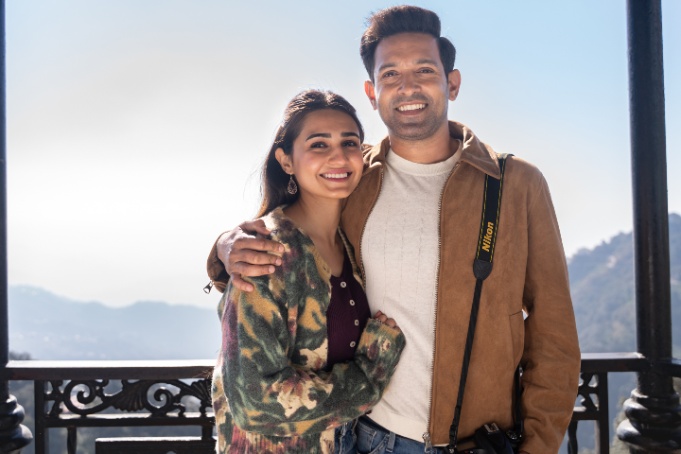
Nilanjana Purkayasstha, who created "Anupamaa", is adapting a telenovela for Netflix. There is a lot coming. I can keep going on. And I also want to mention the theatrical films arriving on the service. The biggest studios, iconic directors, films across Hindi and South languages. It is a very exciting year.
How do you respond to polarised reviews?
I think when people like different things and talk about it, that’s not bad at all. When they don’t talk about it, that’s actually a problem. Because when people are talking, they’re watching. They have opinions. Different camps are debating what works for them and what doesn’t. Indifference is the worst thing that can happen to a story. If people are involved and engaging, even if it’s polarised in the right way, that’s okay. As long as the polarisation isn’t mean-spirited, though sometimes it does get there.
But overall, if people are watching, that’s exciting. And the way we respond to it is simple: our job is to present the best stories. Different people will like different things, and audiences have to live with each other’s tastes. Also, a lot of people who aren’t saying nice things are still watching, sometimes even more. There’s guilty-pleasure viewing, hate-watching, involved viewing, loved viewing, all kinds of engagement.
If a younger Monika Shergill pitched to Netflix today, would she get greenlit, or has the system become tougher?
That is a mind-bending question. If I had to pitch today, I would honestly be excited. I would make sure I am extremely passionate and clear about what I am pitching. And I would not let go. I would keep pitching until something happened. I would also tell young creators that it is not about your first story or your second story. Netflix is here to program many stories. A story is not good or bad, it is simply a story. Sometimes we might already be doing something similar, or we may be looking for a different mix, or we may want you to challenge yourself and come back with a stronger version.
But creators should keep pitching, keep coming back, and keep building. If I were pitching today, I would do exactly that. I would keep going.
Netlfix India Content Head argues that polarised reactions signal engagement, not failure, and emphasises that authenticity and creator-led storytelling remain the platform’s core greenlighting principles.








Comments are moderated. They may be edited for clarity and reprinting in whole or in part in Variety publications.