



Feb 15, 2026 11:55am IST
Nakuul Mehta on Feminist Heroes in TV: ‘I Borrow from All the Women in My Life’ (EXCLUSIVE)
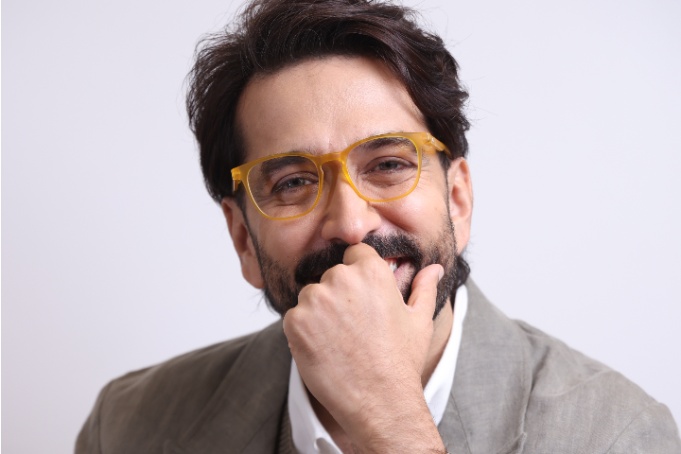
In a career spanning nearly two decades, audiences and fans have labeled Nakuul Mehta as the “greenest flag” among television actors. Call it due to his real-life personality or reel persona, either way, Nakuul isn’t entirely comfortable with the tag. “I am not a fan of that label — it's like a shorthand for emotional accountability in men! I don't like labels, firstly. It could be a positive label, or it could be whatever. I think these are all signals putting you in a bracket. I'm a human being. I will make mistakes, I will have bad days, and I want to put it out there that I am not living up to this image," shares the actor, in an exclusive conversation with Variety India.
He further adds, “I try to live my life as honestly, with as much integrity as I can. Of course, I like the idea of equality and feminism. They are deeply ingrained in who I am, and a lot of times, that and my politics in life will reflect in the kind of scripts I'll choose. But it's not something I will want to live up to. Whilst it's a Gen-Z term, I embrace it because you must embrace everything and change is the only constant. I'm hoping I'm part of the green forest that exists somewhere in this world. I'm somewhere there, like contributing, maybe a shrub.” Nakuul further states, “I might choose to play a character which could be different, because I don't choose to play characters which are me.”
Related Stories
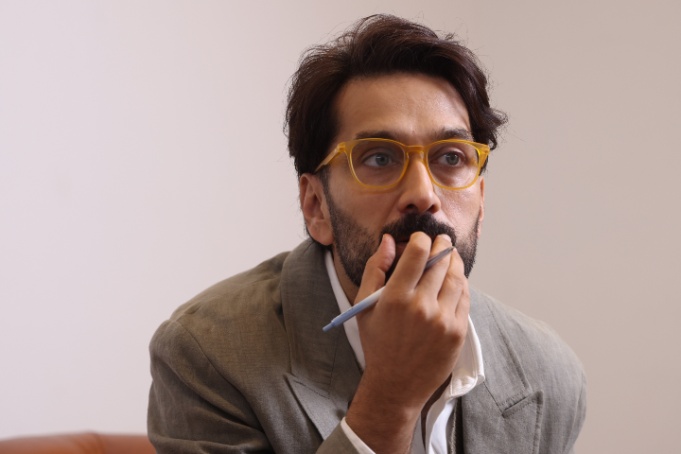
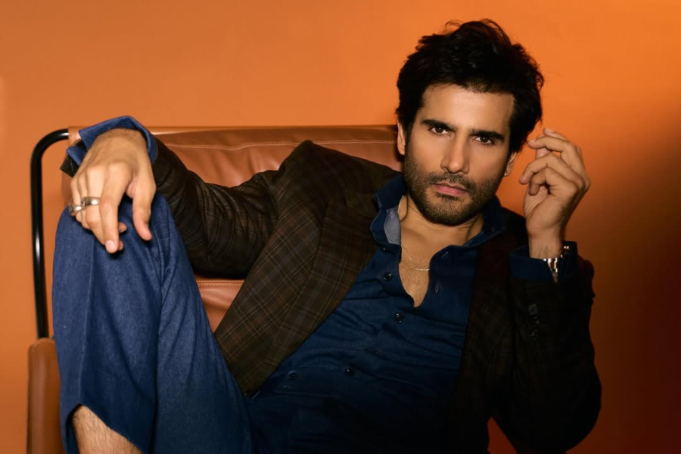
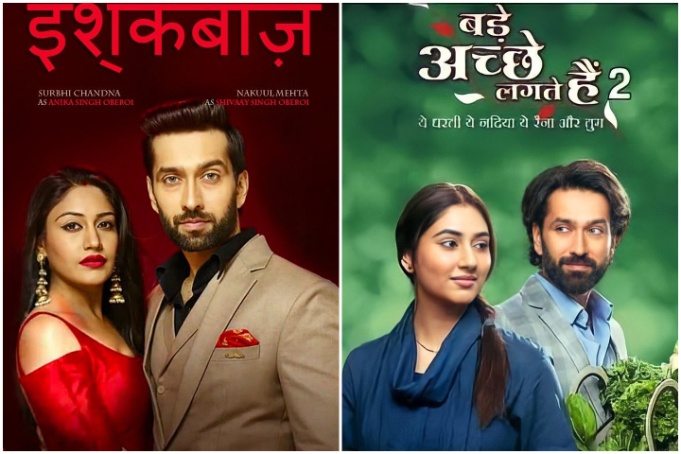
His portrayal of Ram Kapoor in “Bade Acche Lagte Hain” earned him praise for portraying what he once described as a “feminist hero” — a rarity in mainstream Indian television. On being asked if his lived experience, especially lessons from women in his life, shapes the masculinity he portrays on screen, Nakuul answers, “I think at some point of your career, a lot of what you have learnt and absorbed as the person you are, and the knowledge you have sought or the curiosity you have, you can take all of that and bring it to the roles you play. And television allows you to do that. I think what people don't get is that television is mass media, just like mainstream Bollywood is. My politics in life or my nature in life, is that I am a product of many women. It's funny, most of my hit shows I've worked on have all had women producers including Sarita A. Tanwar, who produced two seasons of "Never Kiss Your Best Friend", Ekta Kapoor did "Bade Acche...", Gul Khan did "Ishqbaaz" and Kavita Barjatya did "Pyar Ka..." And most of my writers have been women.”
Popular on Variety
Nakuul agrees he borrows all this from the women in his life. “I've been with my wife, who was my girlfriend first, for about 22 years. I have a girl child at home. All these people have somehow contributed to the person I am. And from all the beliefs you hold and all the things you grasp, you try to sort of bring those nuances to the character. The beauty about television is you can take a lot of real-time feedback and you take all of that and try to see ‘how can I play this man with a lot more dignity; how can I look at a woman with far more dignity’, as a character. So, all these learnings, you kind of try to let them percolate through the character you play. And I am fortunate that I got to play that. And sometimes I think the other side of the benefits of television is all the goodness of the characters you play, people attribute to you. I don't think I should take credit for it. While some of it could be me, a lot of times, people attribute more than that to you. And I get to enjoy the goodwill for that, which I'm grateful for, but it is not entirely mine.”
Nakuul Mehta on Labels, Masculinity and the Women Who Shaped His Art.




Comments are moderated. They may be edited for clarity and reprinting in whole or in part in Variety publications.