



Apr 06, 2026 9:00am IST
Malayalam Cinema Trades Lengthy Flashbacks For Sharp, Immediate Storytelling
Many Malayalam filmmakers are moving away from genre clichés, choosing instead a lucid, concise narrative style that minimises background details of their protagonists. Variety India examines this storytelling approach and how it is resonating with audiences, through conversations with filmmakers.
Krishand, known for his distinctive style in films like “Purusha Pretham” and “Aavasavyuham,” stressed that it no longer matters whether flashbacks are included in a narrative. What matters, he said, is how effectively information is communicated to the viewer within seconds.
“In the past, filmmakers tried to highlight a protagonist’s virtues through multiple scenarios, such as providing for their family or helping those in need. Even a character’s trauma was explored in detail through elaborate backstories. Today, that is not always possible, largely due to shorter attention spans,” he said.
Related Stories
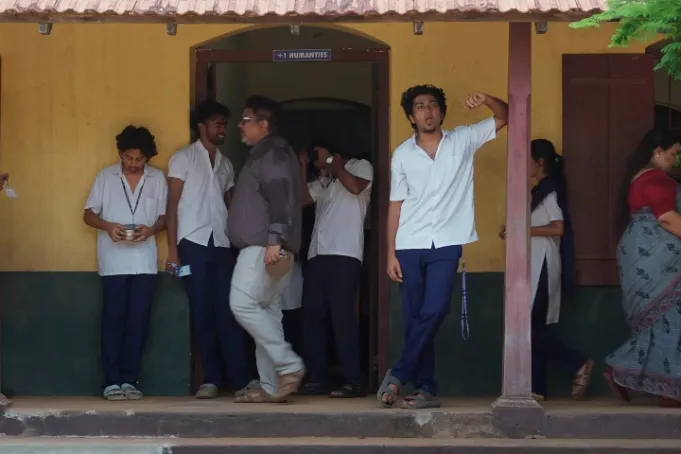

Citing his recent film “Masthishka Maranam,” Krishand explained that he chose to reveal Bimal’s past, played by Niranj Maniyanpilla Raju, within the first few minutes through an interaction with his wife. “A viewer understands what transpired through glimpses of memories or images rather than a chunk of information. I think this is an effective narration style that also saves time,” he added.
“Pennu Case” is another recent Malayalam film that adopts this approach, leaving the past of the fraudster, played by Nikhila Vimal, open to interpretation. Early in the film, Rajesh Madhavan uses a similar strategy to establish Suttu’s struggles while confined in a house owned by Baburaj.
In contrast, films like “Lokah: Chapter 1: Chandra” offer a more detailed exploration of a character’s past, presenting Neeli’s backstory in a more traditional, almost storybook-like manner, adding a different layer of intrigue.
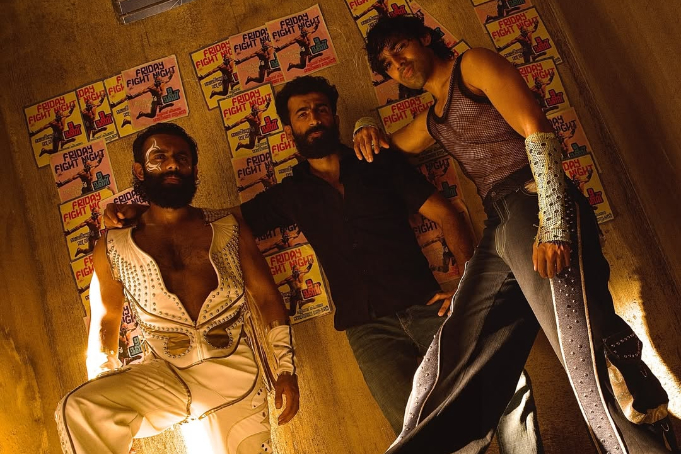
Speaking about the shift, Adhvaith Nayar, director of “Chatha Pacha,” said he was keen to avoid delving too deeply into his characters’ histories. “We only wanted to convey the weight of the past these young men carry, so viewers understand the motivations behind their decisions, whether it is Vetri’s temperament or Savio’s guilt,” he said.
He added that extended flashback sequences lasting 20 to 30 minutes were common until the early 2000s, largely because audiences sought a deeper emotional connection with protagonists through detailed backstories.
Midhun Manuel Thomas, director of “Aadu 3,” noted that today’s audiences are far more informed, particularly due to their exposure to global content via OTT platforms. “Filmmakers are now confident that these narrative techniques will be understood and appreciated by viewers,” he said.








Comments are moderated. They may be edited for clarity and reprinting in whole or in part in Variety publications.