



Jan 21, 2026 4:41pm IST
“It’s a Marathon, Not a Race”: Alizeh on Letting Her Work Speak (EXCLUSIVE)
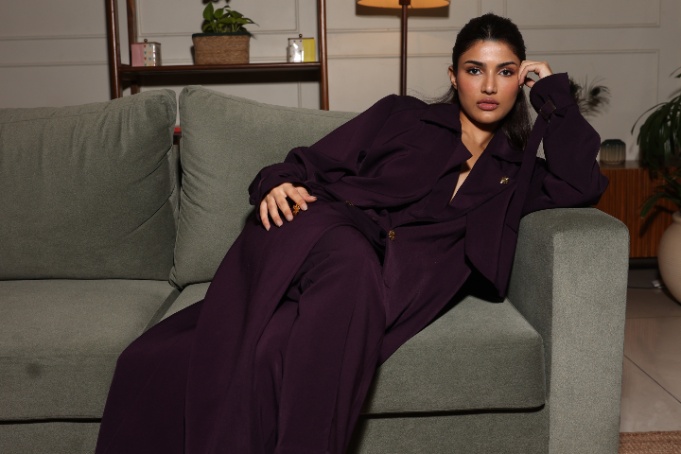
The hardest thing for an actor to do is stay patient and wait for work (good or otherwise) to come to them. It’s harder still, when the actor in question comes from a film family, and there are umpteen opportunities within the family that can be created for her. If Alizeh has not pencilled in her next film after her unconventional debut in "Farrey", it is because she wants to do a certain kind of roles. Her debut set the stage and she wants to follow up that act with a film that can explore her range. When you have family members who can get you films (or make films themselves) to further your career, it speaks of Alizeh’s audacity that she is waiting for a project to come to her on her own merit. In an exclusive conversation with Variety India, she talks about her path, her craft and her choices...
Does being an industry star kid make things easier?
When I go for auditions and witness others making introductions, I am struck with a profound sense of gratitude. People from the industry say it’s hard, but the effort, access, comfort and basic luxuries are all different. If you come from a household that’s well-off, and you don’t have to worry about rent or other basic needs, it’s not hard compared to what those without that support, go through. I have always put pressure on myself because of my family background. People tend to associate your identity with someone else, especially if you come from a large film family. My desire to know who I am, makes me unique. It’s about how I can stand out, and keep things unexpected so that people don’t assume the worst about me.
Related Stories
Because you come from a film family, do you feel the weight of expectations?
Expectations don’t cancel out privilege. Yes, there are expectations, but you are also ahead of a lot of other people. That makes it even. Those expectations are reasonable because if there is access, and there should be pressure. That being said, I’ve never had high hopes for myself because of the family I come from. The artists who inspire me set my expectations. I put a lot of pressure on myself to have someone I look up to, tell me they liked my performance. That means a lot more to me. I don’t even know if getting my family’s approval would matter to me as much. I care a lot more about what the audience thinks. I feel like I have no excuse. You have all the access you need, so if you can’t get it right, you should think about not doing the work at all. There is pressure, but most of it is self-imposed. All artists have some feelings of being an imposter.
 Is being visible just as important as having talent?
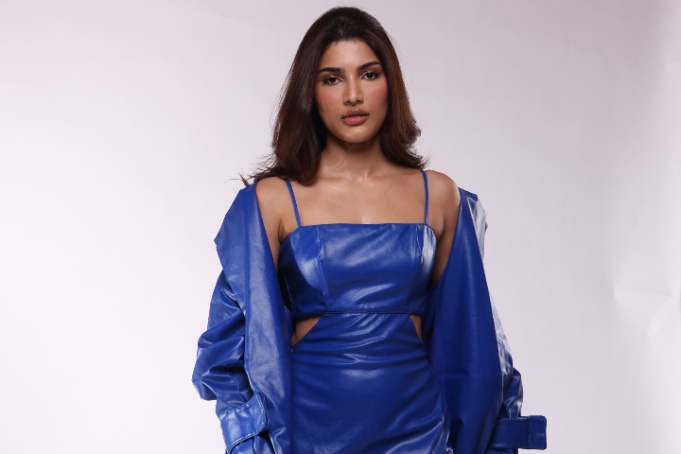
I don’t agree with that. Talent is far more important, though visibility does matter. Talent should always be valued more, but being visible can help draw attention to the type of work you want to do. I’ve come to the conclusion that, having some visibility makes it easier for my work to reach its target audience.
How do you manage the demands of being visible all the time?
I see real value in holding back. When people can always see everything, it can feel like a performance. I’m careful about choosing to be quiet in order to practice self-control. You don’t need to share every thought or write down every moment. Absence can also mean something, but only if it’s on purpose and comes from self-awareness instead of fear. Because of this, I’m very picky about what I post on social media. I need to be able to relate to and believe what my posts say. Instead of flooding my followers’ timelines with my algorithm, I want to connect with them.
Popular on Variety
Do you see your filmography develop a narrative over time, or feel compelled to define it yourself?
It’s a marathon, not a race, I tell myself when I’m feeling impatient. It feels constrictive to define myself too soon; it’s like closing doors before I’ve even looked inside. Curiosity is more important to me now than certainty. An important place to start on that journey was Farrey. I attach a great deal of importance to the fact that it was delivered without a clear label or a distinct image. I was able to play a character who wasn’t intended to be instantly likable or predictable and the movie gave me the opportunity to enter a morally challenging situation from the start. I learned from that experience that I don’t have to use words to declare my identity as an actor. Instead, I can let the work do the talking. The thought that my filmography could start to feel like a conversation instead of a statement over time, excites me. Every project adds something new, either questioning or going against the one before it. I want to leave room for growth, risk, and the unexpected.
How would you like your co-workers to describe you?
I want my collaborators to characterize me as ready, attentive, and giving. I demonstrated my readiness by bringing my materials, honoring everyone’s time and effort and accepting accountability. In addition to my performance, I was present in the scene’s tempo and the energy on set by listening, reacting and remaining involved. I want to be recognized as someone who recognizes the collaborative nature of filmmaking. When it comes to being receptive to guidance, giving candid feedback to a fellow actor or encouraging the subdued moments that don’t always get noticed, I would hope my co-stars feel that I made room for others to do their best work as well.









Comments are moderated. They may be edited for clarity and reprinting in whole or in part in Variety publications.