



Mar 26, 2026 10:30am IST
Free Microdramas Are Booming, But Are They Built to Last? Actors Speak Out
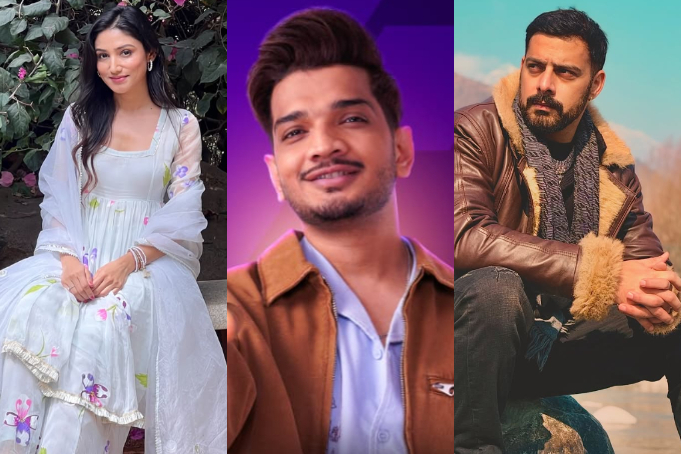
After films, TV shows, and web series, microdramas are emerging as the fourth entertainment vertical in the country. Of late, we have heard how Amazon MX Player launched Fatafat, a new microdrama destination. JioHotstar will also launch around 100 microdramas during the IPL. The vertical is booming by the day in India. These platforms are also subscription-free, unlike established ones like StoryTV, KukuTV, or Kutingg. Actress Donal Bisht, who has worked in serials like “Ek Deewana Tha," said, “It is wonderful to see big players like Amazon MX and JioHotstar venturing into this market. This means more jobs for actors, and they will get to showcase their talent on varied platforms. I remember in 2020 I made a microdrama filmed at my home, “Tia & Raj,” which was later bought by MX Player. I had realized that people do not find time or enjoy watching long-form content.”
She says she has seen how such dramas were a rage in China and the US. “Our Indian audience has a similar mindset. This is why microdramas have quickly caught on in India. Today, microdramas have their own space. It is a category of its own. Microdramas are for the masses. At the end of it, everyone wants entertainment,” she said.
Related Stories

Ravit Tyagi, who has directed numerous TV shows like “Diya Aur Baati Hum,” “Mahek Zindagi Ki,” “Badho Bahu,” “Krishna Chali London,” and “Iss Ishq Ka... Rabb Rakha,” to name a few, is also a producer of microdramas for various platforms. He opined, “The industry is expanding by the day. Definitely, it won’t be free for a lifetime. They are all looking at some long-term benefits. JioHotstar acquired IPL for above Rs 48,390, and it was free for its audience. They made profits from the same.” The average cost of producing a microdrama is around Rs 10-12 lakh, while the premium ones cost up to Rs 30 lakh. It can go till Rs 40-45 lakh depending on who has been cast for the same.”
He further states that profit margins from TV shows and microdramas are similar. Tyagi also explains that the business does not work if someone makes just one or two microdramas in a month. “Around 40 percent of the costs are covered by the platform. Producers have to fund the rest of it. It works only if there’s bulk production,” he explains.
Actor Karam Rajpal, who has worked in a number of microdramas, told us, “This is a signal that the industry has arrived on the big stage. I do not think it will affect the existing paid platforms. I feel the content on JioHotstar and Amazon MX Player will be original. There are a lot of adaptations in other platforms. I am sure these streaming giants have done a lot of research before doing away with the paywalls.”
Many actors agree that no one expected the microdrama wave to catch up in India so rapidly in five years. “No one would have thought that this trend would prevail here. People were inspired by its success in China and adopted the model. Today, microdramas have a substantial market share generating good revenues and viewership,” says actor Ssanjay Gaggnani, whom we have seen in shows like “Kundali Bhagya,""Bairi Piya,” “Savdhaan India,” to name a few. “We all saw how the OTT wave gripped the nation during the lockdown. The trend is similar in microdramas. There are quite a few players but the ones who have good money to invest are the ones who are thriving. Yes, I too heard that volume matters a lot in microdramas. The makers who roll out 12 shows a month are the ones who are making decent profits,” adds Gaggnani.












Comments are moderated. They may be edited for clarity and reprinting in whole or in part in Variety publications.