



Jan 31, 2026 9:45pm IST
Akshaye Khanna and the Art of Not Announcing Yourself
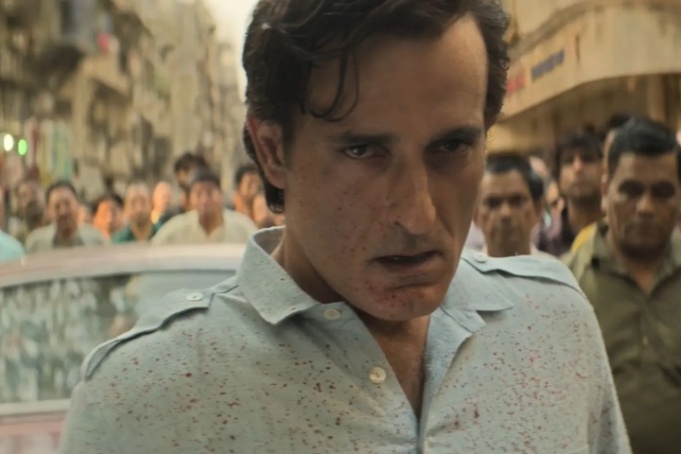
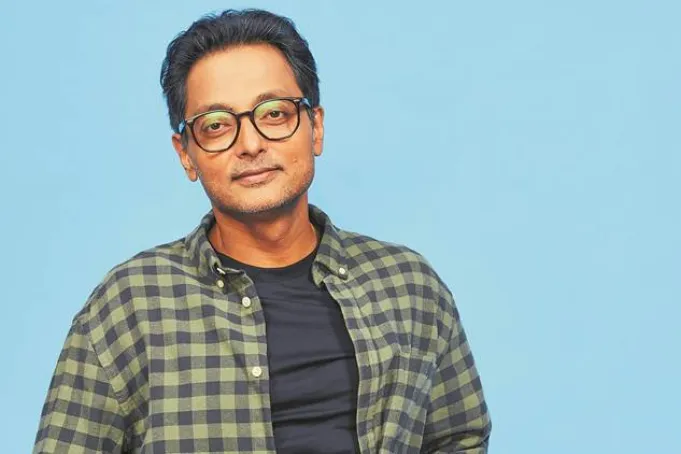
Akshaye Khanna matters more than ever. After Chhaava, Drishyam 2 and Dhurandhar. Most people are surprised, but not a particular kind of Hindi movie fan, who remembers not just the hits, but the moments within them. The lines. The silences. The eyes. The way a performance can change the entire mood of a room.
Taal (1999)
It’s August 13, 1999, a rain-washed Friday in Mumbai. Subhash Ghai’s new magnum opus — Taal — with the A.R. Rahman soundtrack, hits the screens. Prima facie, Taal stars Aishwarya Rai and Anil Kapoor and Akshaye Khanna. It’s their collective show. Except it perhaps entirely isn’t. Because the best song on the best album of that era — ‘Nahin Saamne’ — belongs to Akshaye Khanna. A movie star’s longevity is directly related to the timelessness and legacy of how long the songs picturised on them live on. And then there’s this scene: where his Manav walks into a room and breaks glass after glass after glass. No background score. No Rahman crescendo — (Ghai later said: when an actor’s performance speaks — mute the background) — just silence, violence, and shattered expectations. When he finally speaks, it’s a whisper that suggests if volume is what matters, then perhaps he’s already made his point.
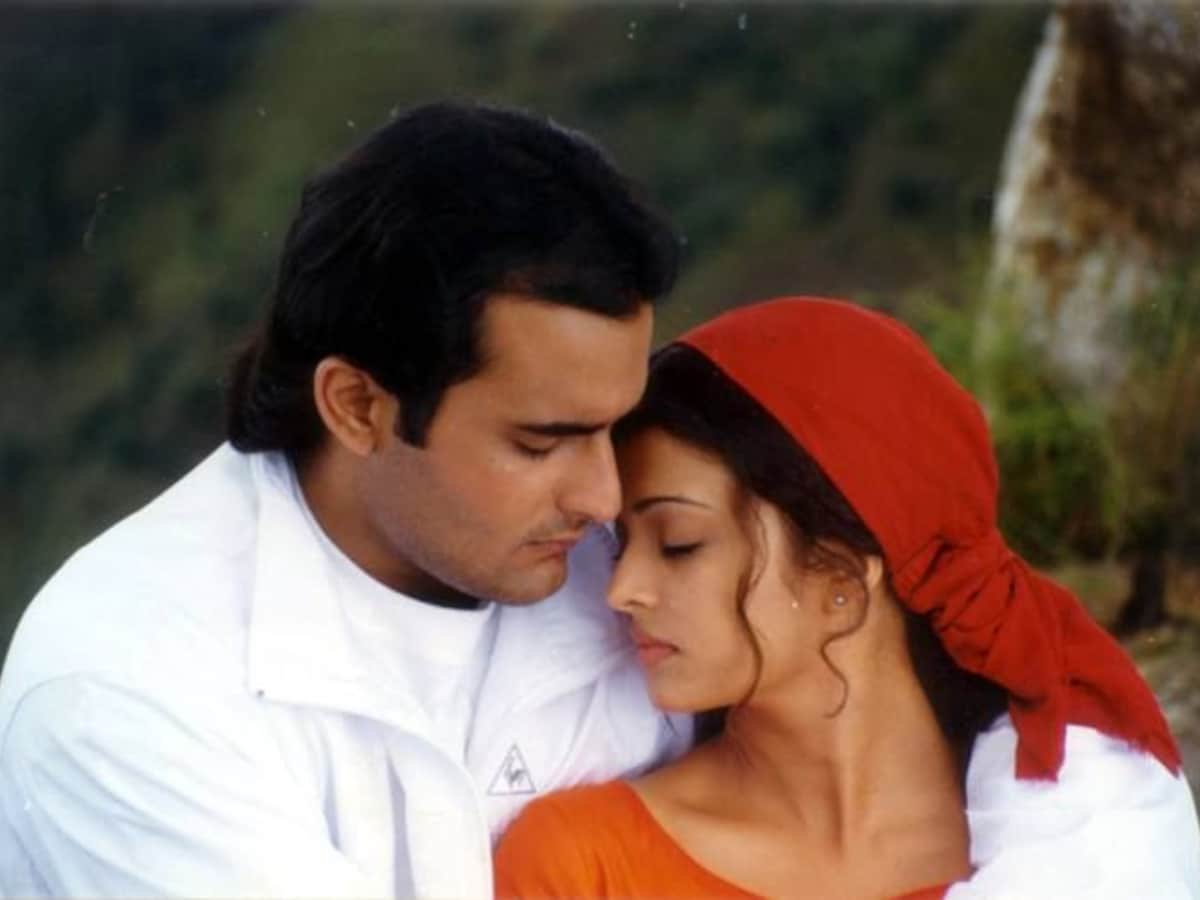 Serendipitously, I got his autograph two days later, at Palms at the Oberoi Hotel in South Mumbai — he was chain-smoking, looking less like a star and more like someone waiting for a friend who was running late. But even then, there was a distance. More like he was already practicing the art of being present without needing to be noticed. That’s Akshaye in a nutshell. The actor who makes silence sound like thunder.
He was launched massively in a bloated and insipid Himalay Putra in 1997. The hoardings were everywhere and impossible to miss. The soundtrack had ‘I Am a Bachelor’, an anthem, and ‘Naa Woh Inkaar Karti Hai’. The film opened after a grand premiere (check out its premiere video on YouTube). Then quietly folded. Even in a launch designed to manufacture maximum noise, he seemed fundamentally uninterested in competing with it.
Border (1997)
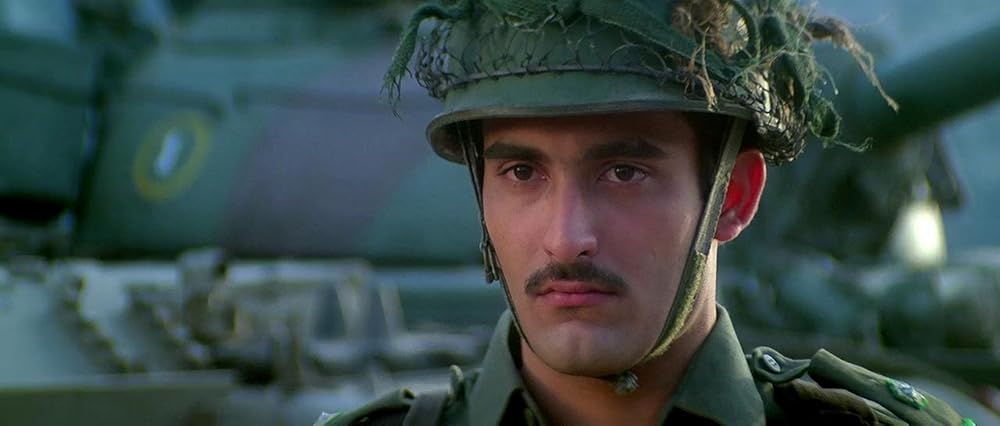
The same year, J.P. Dutta’s war epic Border was built on the broad shoulders of men—Sunny Deol, Suniel Shetty, Jackie Shroff — who could carry the weight of a nation’s war. But it’s Akshaye’s 2nd Lieutenant Dharamvir Bhan who stays with you. The young officer who doesn’t make it. The death scene isn’t melodramatic; it’s devastating precisely because it’s so quiet. You watch this kid die and think: this is what range looks like. And it is still only his second movie as an actor.
Also in ’98, Doli Saja Ke Rakhna released, and nobody remembers the film. What they remember is ‘Kissa Hum Likhenge’ and ‘Taram Pam’. Akshaye lip-synced it with a conviction that made you believe he understood wanting something you couldn’t name. The film vanished. The songs live on. There’s a metaphor there.
It’s a pattern with Akshaye: his work transcends the vehicle. Always has.
Related Stories
 Dil Chahta Hai (2001)
Post-Taal, he hit a streak that should have made him inescapable. In 1999, he is paired with Aishwarya Rai in Aa Ab Laut Chalen, and the film, mounted on his shoulders, made him the only leading man of the only film Rishi Kapoor ever directed. It tanked — but then came Dil Chahta Hai in 2001 — the most influential Hindi film of its decade — and he played Sid, the emotional anchor. It’s the kind of performance that makes you wonder how many real heartbreaks went into creating a fictional one. Where it was natural to lean toward loving Aamir’s rogueish Aakash and Saif’s goofy Sameer -- but Akshaye stole the show as a younger man in love with an older woman — at odds with himself and the world — somebody who didn’t fit in to society as society would like to have it — again, the reel and real diverge, perhaps!
Humraaz, Hungama, Hulchul
Then hits with Humraaz in 2002, playing a man unraveling — charm on the surface, chaos underneath. And Deewangee, the same year, a legal thriller demanding he be both prosecutor and performance artist.
But just when you thought you had him pegged, Priyadarshan happened. Hungama and Hulchul showed a side of him we hadn’t seen: comedy, broad and physical, slapstick and loud — executed with the same deadpan commitment he brought to drama. While everyone else in those madcap ensembles was dialing it to eleven, Akshaye played the straight man with such sincere bafflement that he became the funniest person in the room. He didn’t beg for the laugh; he earned it by not seeming to try.
Gandhi, My Father (2007)
Then came the real, quiet work. Not of stardom, but of acting. Gandhi, My Father — a 2007 film he has called his best — remains a devastating study in quiet collapse. His Harilal Gandhi isn’t a tragic hero; he’s just a man being slowly erased by his father’s shadow. It’s the kind of role that doesn’t win Friday headlines, but wins decades.
And here lies the quiet, (Haruki) Murakami-esque truth of his appeal: silence is the only language through which we can truly relate to him. In a world that demands constant noise, he has become a beacon for those who choose to be quiet, who understand, as a line in his Dhurandhar suggests, the profound alignment of ‘nazar aur sabr’— gaze and patience. That what is destined for you will find you, not through clamor, but through the deep, gravitational pull of becoming yourself. Akshaye Khanna embodies that lonely, modern mid-aged man — burnt, broken, bruised but standing — figure: the person exhausted by the noise, refusing to bow to the Instagram circus, the talent agents, the PR teams shouting into the void and clownish endorsement ads.
I was baffled recently when a bunch of 20-year-olds in office told me about the cult statusTees Maar Khan (2010) has attained in their generation. Remember Akshaye in the film? The film was panned then, but today, his scenes are why you rewatch it.
 Comfortable In Gray
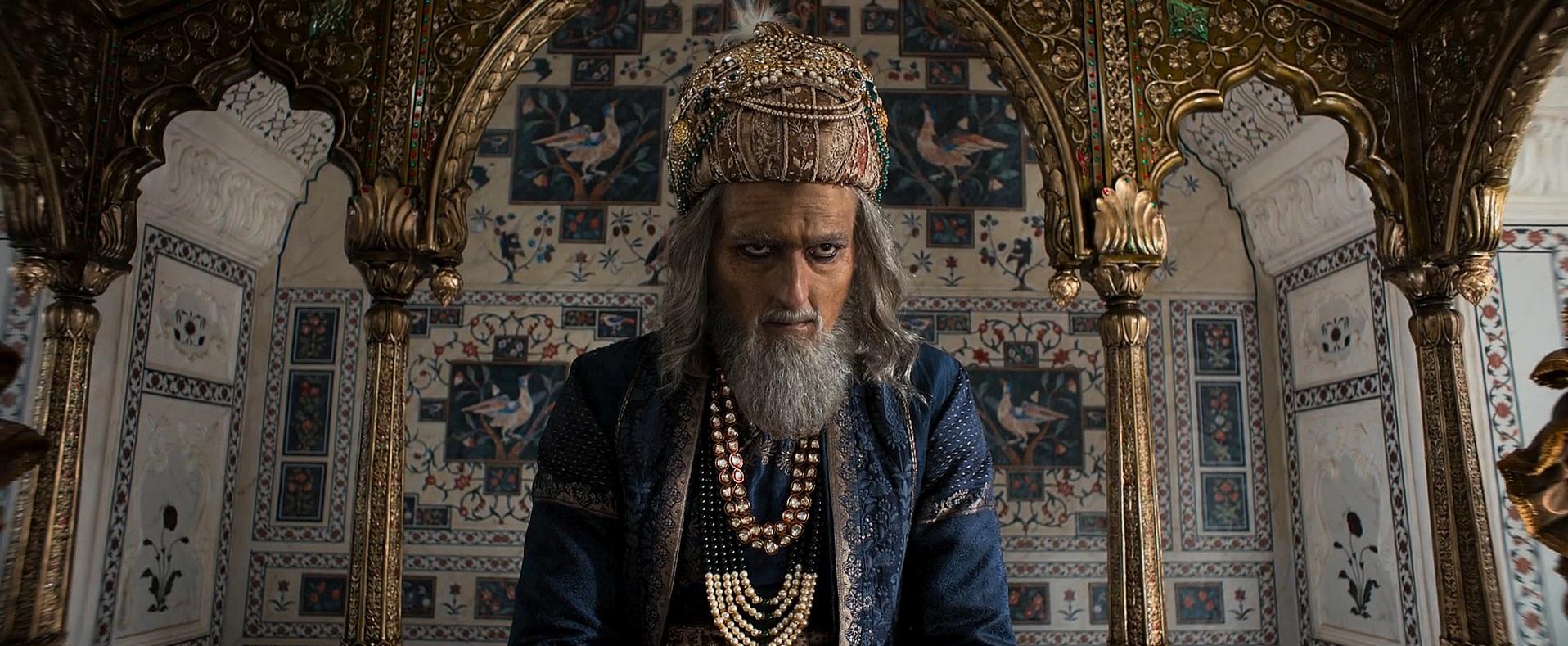
His recent work in Section 375, Drishyam 2, The Accidental Prime Minister — doesn’t signal a comeback because he never left. He was always there, just not where the spotlight usually falls. In Section 375, he delivered one of his most layered performances as a defense lawyer navigating a moral minefield at the peak of the #MeToo movement. He neither sermonized nor simplified; he played a man comfortable in the gray, understanding that truth, like silence, resists neat packaging. It’s a direct through-line —from the quiet soldier of Border to this morally complicated professional — men who carry their weight internally. From Manav to Aurangzeb!
On Rendezvous with Simi Garewal — that velvet-draped confessional of ’90s stardom — Simi didn’t call him promising or interesting. She called him “different”. Full stop. He just smiled.
Continuation, Not Comeback
At an actors’ roundtable a few years ago, while his peers passionately unpacked their “method,” Akshaye’s turn came. He shrugged. Yes, he had a process. No, he couldn’t “intellectualize” it. It seemed like the most vulnerable thing anyone said all afternoon. He doesn’t narrate his craft; he just does. Perhaps that’s why the Aurangzeb performance in Chhaava and the hopeful machinations of a Rehman Dacait (Dhurandhar) spin-off origin story (putting it out in the universe) feel so electric. It’s not a comeback; it’s a continuation. The world has finally caught up to his frequency. He’s no longer the boy in the shadows; he’s the man who chooses them.
Maybe that’s the real arc of Akshaye Khanna’s career — not one of rediscovery, but of recognition. Ours, not his. We’ve grown into his silences. We’ve learned to lean in when he speaks softly.
Quiet Confidence
Nick Hornby once wrote that pop culture isn’t about greatness — it’s about connection. About finding something that understands you without needing to spell it out. That’s what Akshaye Khanna does. He gets the people who don’t speak first at parties, who don’t need to win the room. Ones who, like him, quietly sip their vodka in a quiet corner of Tory-styled Willingdon club in South Mumbai, or a farmhouse where he spends his weekends. In an industry addicted to explanation — of process, of persona, of self — he remains stubbornly inscrutable. He doesn’t sell you access to his inner workings. He shows up, does the work, and lets the work speak.
Some actors announce themselves. Others just are. Akshaye Khanna has always been the latter. And in a world full of noise, that might be the loudest statement of all.
Read More About: Akshaye Khanna, Border, Chhaava, Dhurandhar, Dil Chahta Hai, In Focus, Taal
More from Variety
 1 Comments
Comments are moderated. They may be edited for clarity and reprinting in whole or in part in Variety publications.


Akshaye carries an ability , a certain charm that quietly pulls you into feeling deeply for him. I hope this genuine talent is never lost to stereotypes. A quiet fear remains — that destiny may not treat him kindly.