



Feb 05, 2026 4:19pm IST
A Decade In Films And Breaking Stereotypes: Bhumi Pednekkar on Misogyny and Women in Power (EXCLUSIVE)
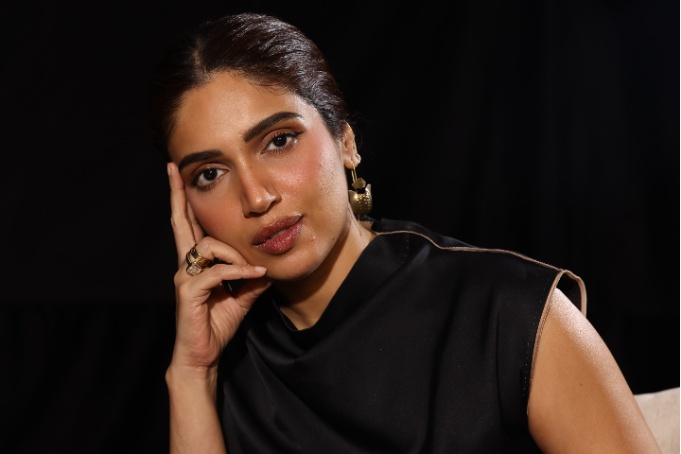
Bhumi Satish Pednekkar, who forayed into Bollywood with YRF’s “Dum Laga Ke Haisha” (2015), marks a decade in the film industry with her latest offering, Amazon Prime Video series “Daldal”. In an exclusive tête-à-tête with Variety India, Bhumi reflects upon the decade spent in films and why the lessons she’s learned extend far beyond the camera. “Women in power are never allowed to be unlikable,” she observes, adding, “They need to service every thought, they need to service every ego, they just need to be poised and elegant and well behaved and they can't laugh loud, they can't have a large meal — there are so many do's and don'ts. They have to sit a certain way; they have to dress a certain way because there are so many rules and regulations that we have laid out for women.”
Related Stories
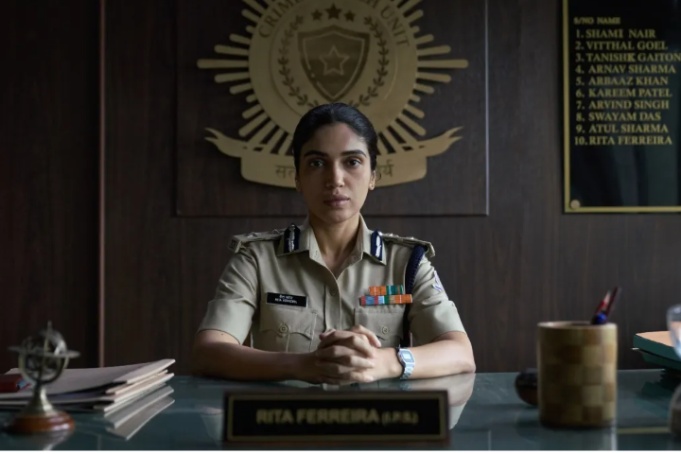
Bhumi’s character in “Daldal” aka DCP Rita Ferreira operates within systems that don't always protect women, even when the women are in charge. When asked if that mirrors the reality the actress has witnessed in the film industry, Bhumi responds, “I think that's everywhere, not just within the film industry. I've been a part of this fraternity for 10 years as an actor. And I think some of the spaces that I've felt most secure in are on film sets. It's also because of the people I've worked with that I think I'm very lucky. Having said that, I have also had experiences where I know that there is a certain misogyny that exists, and there are people who still feel that they are superior. But I don't think that's a gender thing — that's just them as people. I have experienced a lot of misogyny once I started my entrepreneurial journey (a sustainable, premium beverage brand). It was very interesting when I was setting up my factory, when I was meeting vendors and suppliers. I think there was this constant wait for some male counterpart to come represent my sister and me. You know it, and I could see it in the way they were talking! They would just not take us seriously, and that's been a very interesting experience for me.”
Often, when we have complex female characters on screen, they are expected to carry some kind of morality on their shoulders, while male characters can thrive in chaos. Ask Bhumi, and she responds, “That’s an observation that I don't have an answer for yet. But if you think about what is generally expected of women, they can't be flawed. Right? You have to be proper. You have to be perfect. There is a lot of this: that women always have to be in the white — you can't even be in the gray! So obviously, that kind of extends to the way women are portrayed on screen as well — you always have to be white. I have done so many of those parts where I'm always on the correct side of the moral compass. And that's also fine because these women brought about change. It is okay for a woman to be messy. For her to be jealous. For her to be envious. For her to have desires — be that ambition, sexual desire, anything. Because we might be physiologically different but I'm still a human being made up of the same components as you are, right? I think the difference is that I can bear children and you cannot. And I think that is a superpower. It's not something that weakens us!”
On being asked if this narrative has resulted from the need to maintain control at all costs, Bhumi states, “Exactly! The other reason I feel that the basic seed of patriarchy isn't shattered is that they will make sure the moment they see a woman gain control, even if it's on screen, she'll be questioned.”
















Comments are moderated. They may be edited for clarity and reprinting in whole or in part in Variety publications.