



Feb 09, 2026 8:33pm IST
5 Times Vishal Bhardwaj Crossed Lines Bollywood Rarely Dares To
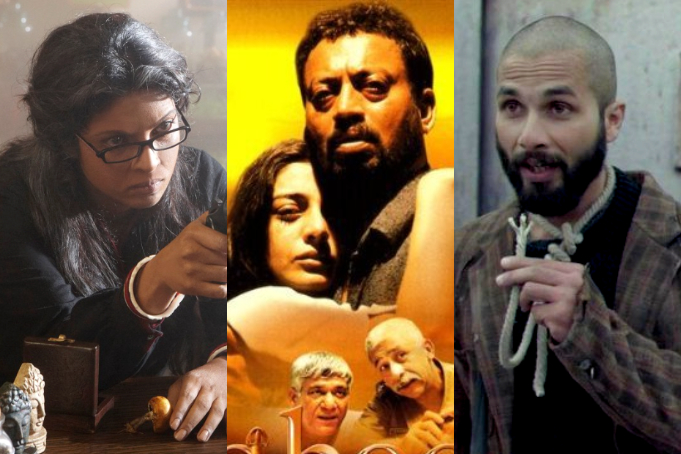
In "Matru Ki Bijlee Ka Mandola", one of Vishal Bhardwaj’s least discussed films to date, a man lives a dual life, one when sober and another when drunk. These two personalities constantly counter each other, and caught between them is an entire village, technically surviving at his whim. What initially looks like absurd humour slowly reveals itself as a sharp taunt at a world doomed by the corporate sham we are living in. This is the Vishal Bhardwaj universe, where politics is never absent. It is always watching, always intervening, always making itself felt. Very few filmmakers dare to make cinema this indulgent, and at the risk of not just being misunderstood, but of being understood all too clearly.
For a filmmaker who debuted with "Makdee", a film popularly remembered as a children’s movie, Bhardwaj ensured there was always more being said about the times in which his stories were set. It was merely the beginning of a voice nurturing itself into something potent, one that would not just shape a fandom, but also educate it. Even when a Bhardwaj film does not entirely land, it almost always gets its voice right, and that in itself is a win. Even at his most lyrical, there is an impatience with moral neatness, a willingness to let characters rot, institutions fail, and audiences squirm without rescue.
So here are five scenes from five of Vishal Bhardwaj’s best films, before O’Romeo hits the big screen, that would be extraordinarily difficult to make, release, or defend today.
Related Stories
Haider’s “Chutzpah” Monologue (Haider, 2014)
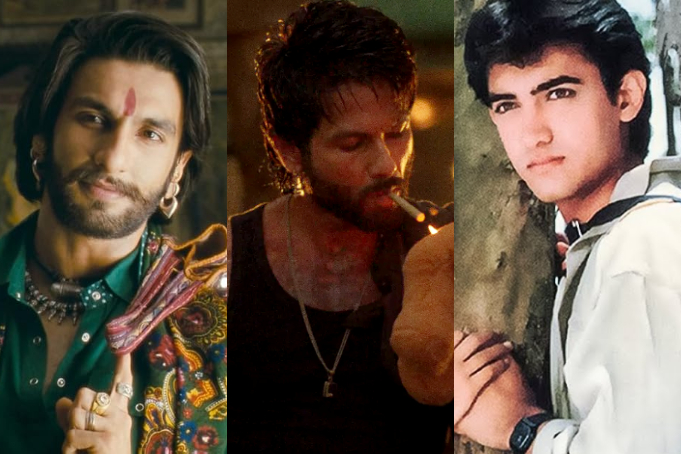
Let us address the most obvious one right at the beginning, because this monologue has already etched its place in cinema history. It remains one of the loudest alarms contemporary Hindi cinema has ever raised, drawing attention to some of society’s darkest truths. Untouchable today, "Haider"’s public monologue in the town square is part protest, part performance, and part meltdown. Blending weaponised humour with poetic rage, it speaks of disappearances, militarisation, and the hollowing out of civil rights in Kashmir.
What makes this Vishal Bhardwaj directed scene radioactive is not just its subject matter, but its tone. Haider is not a noble victim or a sober activist. He is erratic, mocking the system through theatrical excess. The speech laughs at power, ridicules its vocabulary, and exposes its absurdities without asking for empathy. It is anger speaking, unedited.
Nimmi’s Sexual Agency Without Apology (Maqbool, 2003)
If there were an election for the most dangerous character in the history of Indian cinema, Nimmi from "Maqbool" would win it comfortably. There is no way the lethal gaze she carries does not get what it desires. Anyone who has watched *Maqbool* remembers the line “Shakti chahiye?” clearly, a moment so sharp and decisive that Bhardwaj deserves full credit for shaping it. Here is a woman who seeks neither redemption nor revenge, only power.
She wants. She schemes. She demands.
What makes this portrayal nearly impossible today is Bhardwaj’s refusal to moralise female ambition. Her sexuality is never symbolic or decorative. It is operational. She uses seduction to bend outcomes, even when she is genuinely in love with the man she manipulates. To imagine a woman this unapologetically amoral in today’s climate is to imagine protests erupting before the opening credits roll.
The Normalisation of Honour and Violence (Omkara, 2006)
"Omkara" is often remembered for its hauntingly poetic climax. But perhaps its most chilling moment arrives much earlier, when Omkara and Raghunath Mishra, Dolly’s father, discuss her moral compass immediately after Omkara abducts her from her wedding. Violence here is not underscored by thunder or background music. It is discussed casually, as a practical solution to wounded masculinity. The father questions Omkara. If Dolly could not remain loyal to her own father, how can she be loyal to him?
Honour killings, caste pride, and ownership over women are not debated. They are assumed. The power of the scene lies in how uncinematic Bhardwaj makes it. The voices stay low. The horror lies in the normalcy of the conversation. Patriarchy does not arrive as a villain. It arrives as common sense.
Susanna Kills Her Predator Husband, a Priest (7 Khoon Maaf, 2011)
Featuring one of Priyanka Chopra Jonas’ most audacious performances, "7 Khoon Maaf" stands among Bhardwaj’s most indulgent works. In a late film scene, after enduring prolonged abuse, Susanna kills her husband, a man who also happens to be a priest, and walks into a church with blood still on her hands, both literally and metaphorically. She confesses to the murder without hysteria or remorse. The scene places religion, sexuality, abuse, and murder squarely inside the sanctity of a church, without softening the blow or offering moral handholding.
Susanna’s confession is not framed as repentance, but exhaustion. The church is not a site of redemption here. It is a silent witness to institutional failure. Such a portrayal of religious authority as corrupt, complicit, and hollow would invite immediate outrage today.
Children Witnessing Moral Collapse (The Blue Umbrella, 2005)
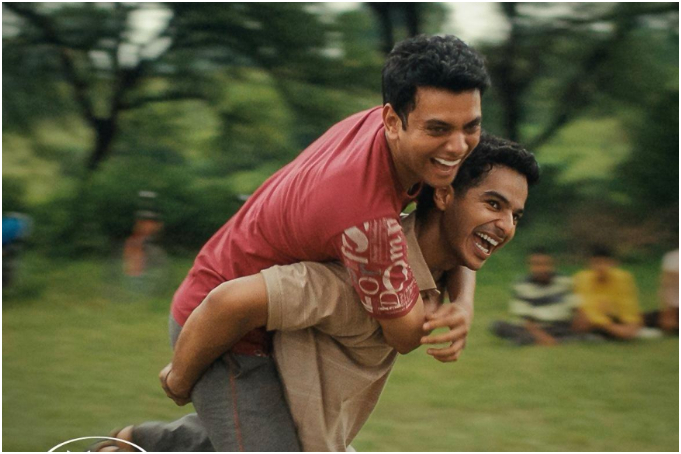
At a glance, "The Blue Umbrella" might appear to be Vishal Bhardwaj’s safest film. Adapted from Ruskin Bond’s work, it plays like a gentle village comedy until it does not. When Biniya’s umbrella ends up in Nandu’s shop, the village turns on him with alarming ease. Nothing he says can convince them otherwise.
There is no moral lesson spelled out, no swift restoration of goodness. Instead, a child watches kindness erode, resentment spread, and adults justify small acts of cruelty. Bhardwaj neither shields the child from reality nor romanticises innocence as a cure.
In a time when children’s narratives are increasingly sanitised and aspirational, this willingness to let young characters absorb a world that is unfair, bitter, and unresolved feels profoundly out of step with contemporary expectations.







Comments are moderated. They may be edited for clarity and reprinting in whole or in part in Variety publications.