



Mar 05, 2026 9:30am IST
‘Tumbbad 2’s Prosthetics Artists On Recreating The Mythic Horror World For The Sohum Shah-Nawazuddin Siddiqui Starrer (EXCLUSIVE)
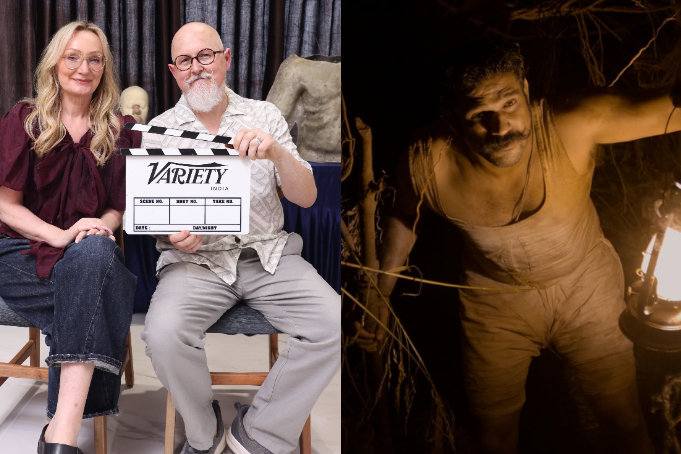
For prosthetics artists Shaune Harrison and Paula Anne Booker, their involvement with "Tumbbad 2" began with discovering the original film. Harrison who has worked with Hollywood classics like "Star Wars," "Harry Potter" films and "Captain America" admits he had not seen "Tumbbad" when the team was first approached about the sequel. “In the U.K., I hadn’t heard of Tumbbad,” Shaune Harrison tells Variety India.
He says, “We had spoken to the producers about another project a couple of years ago that never happened. Then the director Adesh Prasad reached out about "Tumbbad 2" and asked if I had seen the first film. I said no, but I would. So we watched it that night.” The reaction was immediate. “I was blown away,” Harrison says adding “I didn’t know what to expect, but it was amazing.”
Booker who is also Harrison’s wife and works with on creating an ethereal landscape of colors and hues agrees. “I loved it," she exclaims. What struck Harrison most was the film’s haunting atmosphere and its realism. “I’m a massive horror fan, so the horror element really appealed to me,” he says.
He confesses being amazed by the scenes shot in real monsoons. Harrison states, “But the monsoon look was incredible. To shoot something like that for real is amazing. In the U.K. we wouldn’t have a monsoon, so everything would have to look fake. In "Tumbbad," the rain and the characters just completely gripped me.”
Related Stories
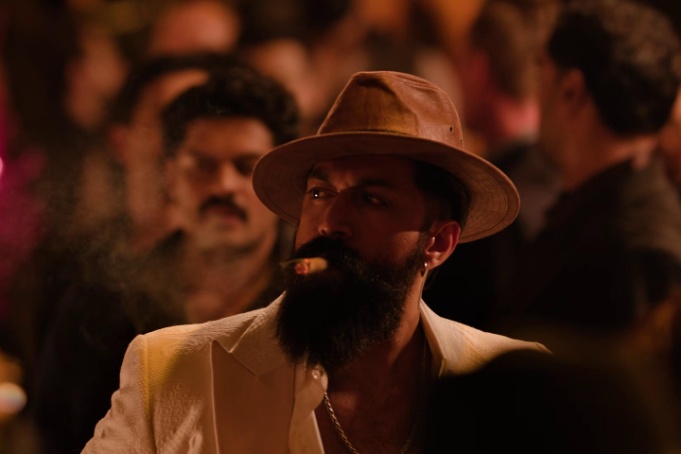
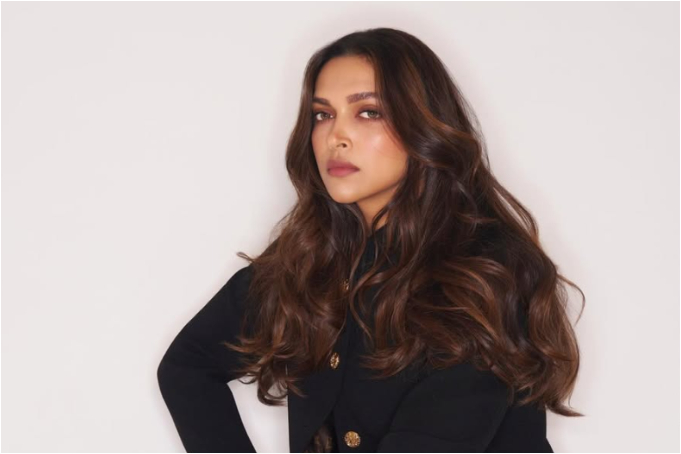
Once discussions around the sequel began, the filmmakers shared the script and the artists started exploring the film’s creatures and characters. “The first script came over and I thought there were some really cool characters in it,” Harrison says. It seems a lot of conversations happened for the look of "Tumbadd 2."
Harrison says, “Then we had a lot of back and forth conversations about how we could approach the designs and how the characters should look. There are multiple things we’re doing for this film that we can’t talk about yet, but there are some very cool characters.”
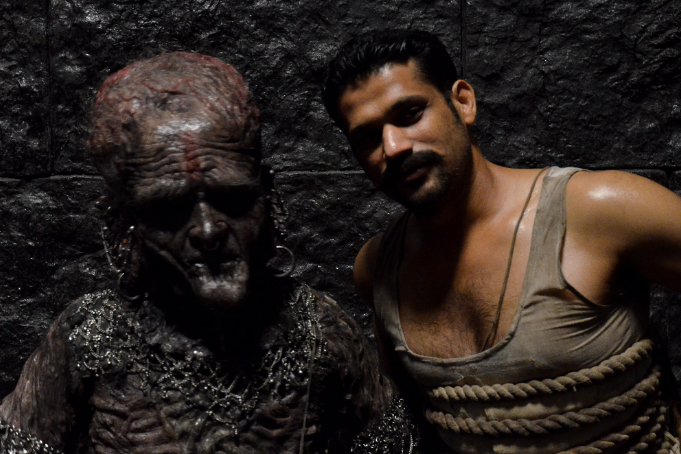
Research soon became a key part of the process, particularly when it came to understanding the mythology behind the story. “We did a lot of research into Indian mythology to understand the background of the film,” Harrison says. Highlighting the role of the script, he adds, “Breaking down the script is the most important step. Sometimes you think something might be digital, but then you start exploring how to create it physically.”
Rewatching the original film also became part of their preparation. “We’ve watched "Tumbbad" about four times now,” Harrison says. “And every time you see something new.” Booker says the film’s visual palette is particularly striking. “The colours are beautiful,” she says, noting how the film’s reds, blues and shadows contribute to its atmosphere.
Both artists were also impressed by how much of the film was achieved practically. “There’s very little green screen,” Harrison says. Booker adds that while watching the film they initially could not tell whether certain elements were constructed or real locations. “We didn’t even realise the monsoon rain was real at first. Everything has a very real feel," Booker says.
One element that particularly caught their attention was the demon god Hastar. “I loved him,” Booker says. The pair admit that watching films often becomes a technical exercise. “We pause movies constantly to figure out how something was done,” Booker says. Harrison adds, “We did exactly that with "Tumbbad," trying to work out whether something was a real set, CG or green screen.”

Comments are moderated. They may be edited for clarity and reprinting in whole or in part in Variety publications.