



Mar 13, 2026 5:09pm IST
Singer Saapna Mukerji on How Film Music Has Changed Since the 90s: ‘Today We Live in a Hook Line Era’
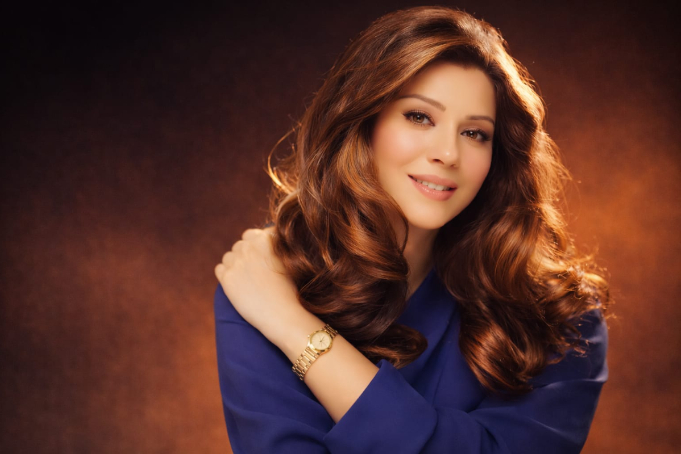
Saapna Mukerji remains one of the most recognizable voices of Bollywood’s 1990s music era. From energetic chart busters like “Oye Oye”, “Tirchi Topi Wale,” “Tere Ishq Mein Nachenge,” “Pyaar Do Pyaar Lo", to beloved film songs that defined a generation, her voice carried the distinctive character that once shaped Hindi film music. As the industry evolves with faster production cycles, remixes and technology driven sound design, Mukherjee reflects on the changing landscape of playback singing. In conversation with Variety India, she speaks about the enduring power of melody, the discipline of recording with live orchestras and why authenticity remains the true test of a singer’s craft.
You were one of the most recognizable voices of 90s Bollywood. When you look at film music today, do you feel the industry still values distinctive voices the way it once did?
Every era has its own sound. In the 90s, composers built songs around a singer’s individuality, so a voice became instantly recognizable. When songs like Oye Oye, Tirchi Topi Wale or Dil Le Gayi Teri Bindiya played on the radio, listeners immediately knew who was singing.
Today the industry moves much faster and technology plays a much larger role in music production, so sometimes voices can begin to sound similar. But audiences always connect with authenticity. A distinctive voice always finds its place because people remember the emotion behind it.
The 90s were an era when film songs had a longer shelf life. Why do you think songs from that time still survive while many modern hits fade within months?
Because melody was the centre of everything. Songs like Oye Oye, Sundara Sundara, Gazar Ne Kiya Hai Ishara and Tera Saath Hai Kitna Pyara were built around strong compositions and meaningful lyrics. They were recorded with live musicians and sung with emotion. In those days we remembered the entire song — the lyrics, the melody, the singer and the feeling behind it. Songs from the golden era and the 90s stayed with people because they were complete musical experiences.
Today we often live in a hook line era, where sometimes only a few seconds of a song become popular. But music has its own cycle. If the same dedication to melody, lyrics and craftsmanship returns, the era of timeless songs will return as well.
Related Stories
Many singers from your generation say the culture of rehearsals and live orchestras created a different discipline. Do you feel something irreplaceable disappeared when that system ended?
Recording with a live orchestra was a magical experience. Sometimes forty or fifty musicians would be playing together in the studio, and the singer had to deliver the performance in that moment. Songs like Dil Le Gayi Teri Bindiya or Tirchi Topi Wale were recorded in that environment. The energy of the musicians, the composer and the singer created something very special.
Technology today has made recording easier, but that collective musical energy is difficult to recreate. What makes it even more meaningful today is that I can stand on stage in Mumbai with a show like The Oye Oye Show and perform more than 400 original songs from my musical journey, along with selections from the golden era of Hindi cinema.
That is possible only because singers of that time went through rigorous rehearsals and developed a deep mastery of the craft. When you perform live, there is no technology to hide behind. It is just the voice, the emotion and the connection with the audience. Today we live in an era of autotune and AI where music can be heavily engineered, but the stage is always honest. Very few people can hold an audience with just their voice. And in such an era, genuine talent always finds its space.
That is why performing live remains very special for me. The stage allows the songs to breathe again and allows audiences to reconnect with music the way it was meant to be experienced.
Remixes and recreated versions of old songs are everywhere today. As someone who lived through the original era, do you see them as tribute or as a loss of originality?
When a song is remixed, care must be taken to retain the soul of the lyricist, the composer and the singer. A song is not just a tune; it carries the emotion and intention of everyone who created it. When that soul is lost, the melody also loses its depth.
That is why I strongly feel that when a song is recreated, the original voices should be retained. We have poured our hearts and souls into creating these songs — songs that have become masterpieces and have transcended time. It is not too much to ask for respect. And whether you recreate, remix or reimagine a song, just remember — the body may change, but the soul must remain.
Music is like life. A child may grow and become something new, but it always carries the parents’ name. In the same way, every recreated song must carry the identity of its original lyricist, composer and singer.
Many listeners feel that remakes sometimes erase the soul of the original song. As someone who recorded those songs in a completely different musical era, do you agree?
Sometimes that happens because a song is more than just a tune. It carries the emotion of the singer, the composer and the musicians who created it. When songs like Tere Ishq Mein Nachenge or Ho Jaata Hai Kaise Pyar were recorded, the feeling in the studio became part of the music itself. When too many elements change, that emotional depth can disappear. Music should evolve, but it should also respect its roots.
Looking back at your career, is there a song you recorded that you felt was special in the studio but were still surprised by how big it eventually became?
"Oye Oye" is the perfect example. When we recorded it, we knew it had great energy, but none of us imagined it would become such an iconic song.Even today when I perform it live, the audience reaction is incredible. It shows how a song can take on a life of its own.
You’ve worked with some of the biggest composers of your time. Was there a recording session that completely changed the way you looked at singing?
Working with great composers teaches you that singing is not just about notes. Sometimes a composer would say, “Sing this line with mischief,” or “Let the emotion sit in the pause.” Those small directions change how you approach a song. That is how many songs gain their character.
Have you ever heard a remake of one of your songs and felt it should have been left untouched?
Sometimes certain songs belong to the time and emotion in which they were created. But at the same time I understand that every generation wants to reinterpret music in its own way. What matters most is that the original song continues to be remembered.
Some singers have openly criticized the remix culture in Bollywood. Where do you stand on that debate?
Music should evolve, but it should also honour its legacy. The reason songs like Oye Oye, Tirchi Topi Wale, Dil Le Gayi Teri Bindiya and Tere Ishq Mein Nachenge are still performed today is because they were built on strong melody and emotion. And Indian music remains unique because its creators always respected the soul of the song. That respect is what gives music its immortality.







Comments are moderated. They may be edited for clarity and reprinting in whole or in part in Variety publications.