



Feb 05, 2026 7:45pm IST
O’ Romeo, Where Art Thou: Tracking the Hindi Film Romeo
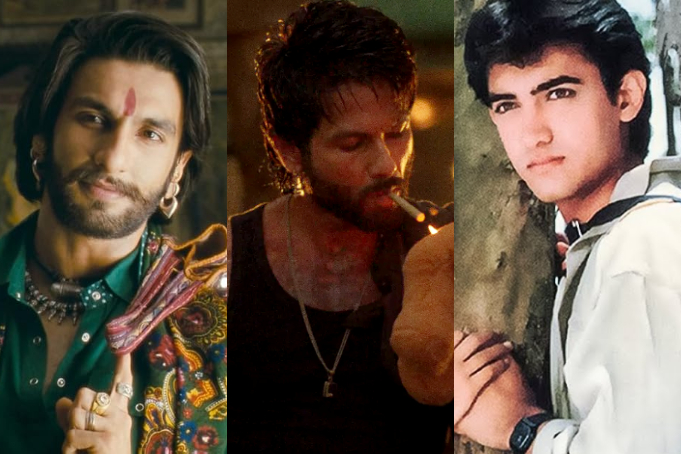
That Vishal Bhardwaj is directing a film that reunites him with his favorite muse, Shahid Kapoor, was news in itself. But what pushed the excitement several notches higher was the film’s title: O’ Romeo. Bhardwaj tapping into the world of William Shakespeare is never just a creative choice; it is a poetic event. For cinema nerds who have obsessed over Omkara, Maqbool, and Haider, this was catnip. Yet for me, the title and the posters that followed raised a more unsettling question. Is this a declaration or a lament? What has happened to the lover boy who once sacrificed everything for the woman he loved? How has he evolved over the years?
Borrowed from William Shakespeare’s most famous invocation, O’ Romeo, carries a romantic longing that has stayed evergreen through centuries, almost into eternity. But in Vishal Bhardwaj’s world, the phrase does not feel like a call to love. Instead, it reads like a signal of absence, decay, and distortion. The Romeo being summoned is not untouched by the rules of this world. He is already compromised, shaped and bruised by the environment around him. And that, in many ways, captures the journey of the Romeo prototype in Hindi cinema.
Because the quintessential Romeo of Hindi cinema has not vanished. He has transformed, fractured, and, in places, hardened beyond recognition.
Related Stories
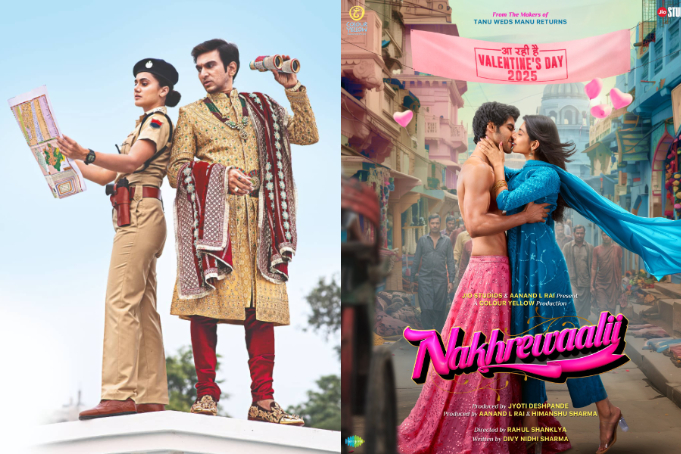
The Romeos Who Were Gentle
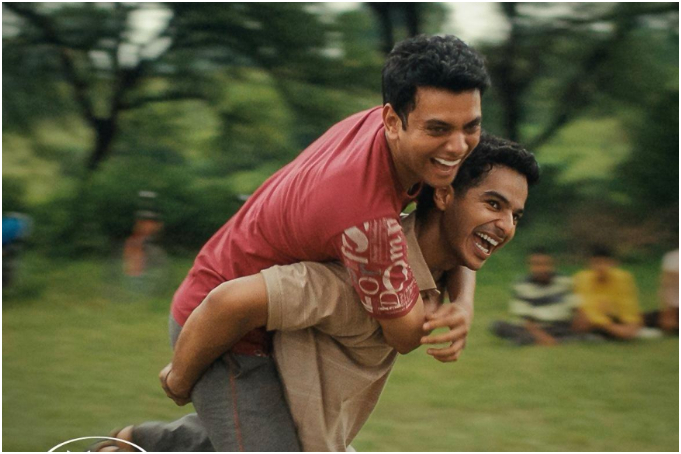
Hindi cinema has seen many versions of Romeo over the decades. There was a time when he was defined by responsiveness, by gentleness, by an acute awareness of the cost of desire. Rage was not his first instinct, and violence was never within easy reach. He existed because love asked him to.
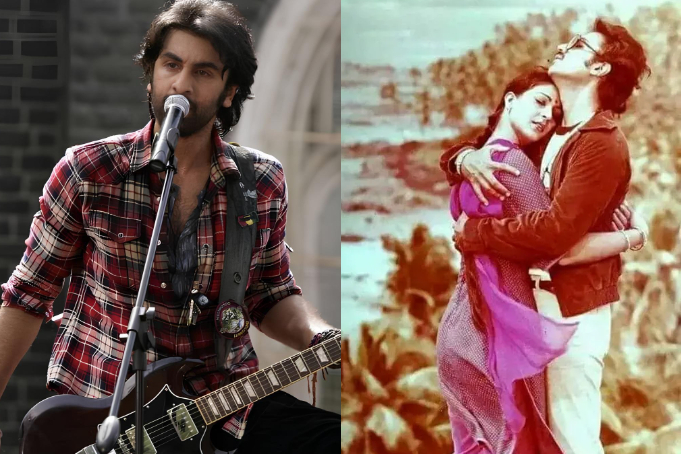
Aamir Khan and Juhi Chawla’s Qayamat Se Qayamat Tak or Ek Duje Ke Liye, starring Kamal Haasan and Rati Agnihotri, directly borrowed the Romeo and Juliet blueprint. These lovers were placed against worlds that refused to let their love breathe, yet they remained hopeful, tender, and deeply vulnerable. Love happened to them; they never imposed it. They did not overpower the narrative. Instead, they were shaped by it.
Their tragedy was never rooted in ego. It came from the world’s inability to accommodate empathy and acceptance. This Romeo suffered, but he suffered quietly.
The Romeos of Rebellion
Hindi cinema did not always look at Romeo with a tender gaze. Glimpses of a more defiant Romeo were already visible in the seventies and eighties. Films like Bobby and Betaab gave him rebellion, confidence and charm. While love remained central, this Romeo now actively challenged authority. He was no longer merely responding to love; he was declaring it to the world.
What is crucial, though, is that even this rebellious Romeo remained emotionally transparent. His defiance came from sincerity, not entitlement. Juliet’s recognition was still essential to his existence.
The Spectacle and the Self-Destructive Romeos
The twenty-first century introduced a new breed of Romeos, connected by a familiar emotional thread but expressed very differently. These men did not whisper promises. They performed them. Romance became visual theater.
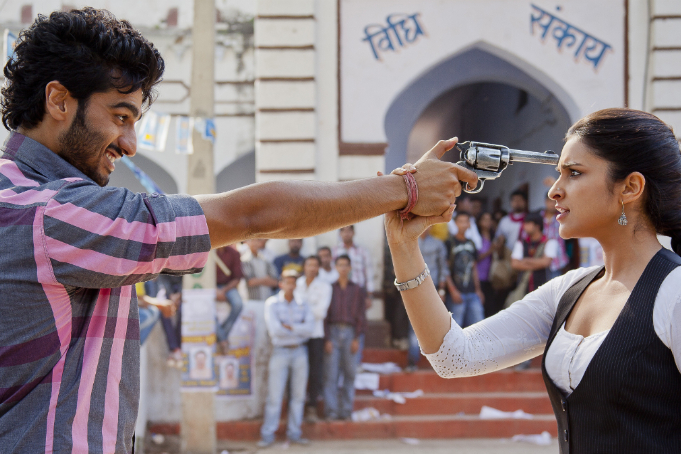
Whether it was Sanjay Leela Bhansali’s Ram, played by Ranveer Singh in Goliyon Ki Raasleela Ram Leela, or Arjun Kapoor’s Parma in Ishaqzaade, whose moral compass was shaped by his Juliet, love was loud, kinetic and excessive. Violence became a natural extension of desire. Tragedy was still present, but now padded with style and scale. The focus shifted to how Romeo feels rather than what his interior life truly holds.
Alongside them emerged the self-destructive Romeo. Loud and stylized, yes, but driven by inner conflict. Ranbir Kapoor’s Jordan in Rockstar is a prime example. His love is forbidden, scrutinized by the world, but he is also fighting a war within himself. Juliet becomes oxygen. The search for her turns obsessive. He is emotionally intense but psychologically unstable. Love neither saves him nor destroys him cleanly. It unravels him.
This Romeo is in love with the idea of love itself. For him, “O Romeo” is not a call that comes from Juliet. It is a voice that echoes in his mind even in her absence. He would choose the idea of Juliet over Juliet herself. A quiet nod, perhaps, to Laila Majnu.
The Entitled Romeos
Between all these variations lies the most controversial breed of all: the entitled Romeo. Lover boys who are harmful not just to themselves, but to the women they claim to love. Here, pain turns into justification.
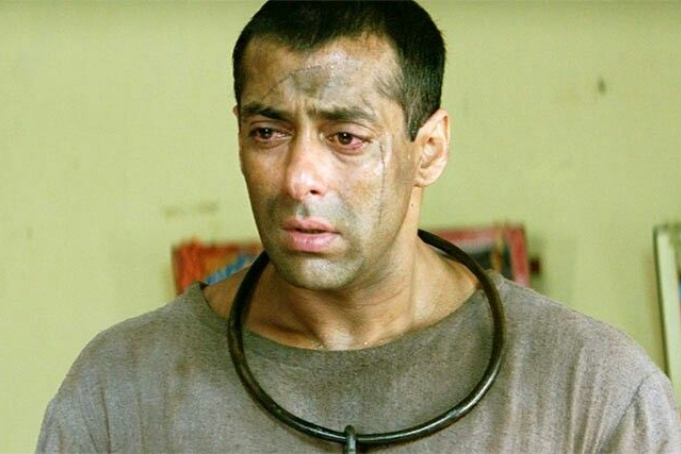
From Tere Naam, starring Salman Khan and Bhumika Chawla, to Kabir Singh, with Shahid Kapoor and Kiara Advani, emotional volatility exists without accountability. Love becomes possession. Suffering becomes moral licence. This Romeo does not ask to be loved. He assumes it.
The tragedy here is no longer inevitable. It is inflicted. A character once shaped by love now shapes the narrative through dominance.
The O’ Romeo Turning Point
In this ecosystem, Vishal Bhardwaj’s O’ Romeo arrives as a rupture. Innocence is no longer an option. Idealism has eroded. This Romeo is shaped by power, politics and moral compromise. Love does not rescue him. It exposes him. He is dangerous not because he is violent, but because he is conflicted.
Because once, Romeo existed only when someone called out to him. And maybe Hindi cinema is still waiting for that call to be answered.











Comments are moderated. They may be edited for clarity and reprinting in whole or in part in Variety publications.