



Apr 10, 2026 3:12pm IST
‘Neighbors’ Creators Dylan Redford and Harrison Fishman Joke About Making an Indian Version Inspired by Desi Social Media Handle (EXCLUSIVE)
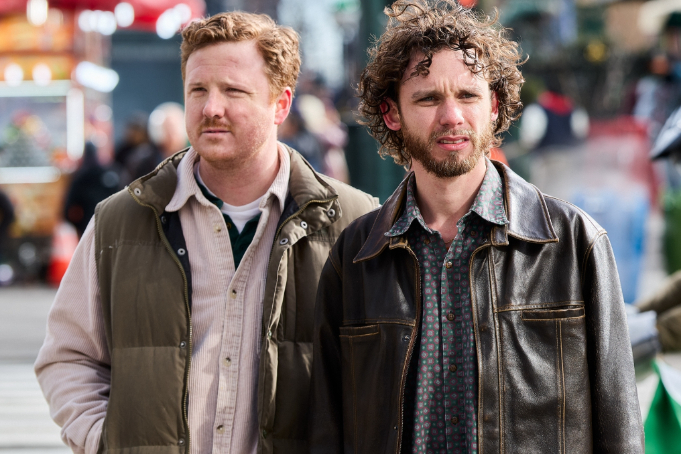
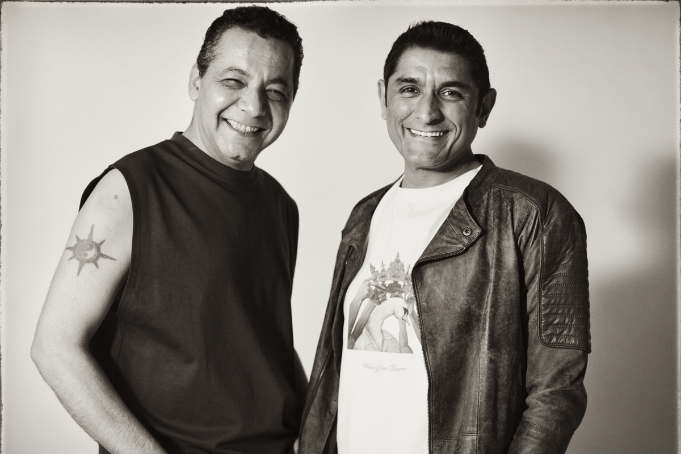
“Neighbors,” a documentary chronicling the disputes in American neighborhoods, has been renewed for a new season on HBO Max. Variety India spoke to its creators, Dylan Redford and Harrison Fishman, on their takeaways from the first season. It is available on JioHotstar. Excerpts from the conversation…
What is the best compliment you have received for your documentary “Neighbors?”
Harrison Fishman: One just came to my mind. A friend of mine had been watching the show. And he loves the show. And, you know, obviously, but there was a point where he saw his neighbors outside, struggling to move a couch into their apartment. And then he thought about our show and decided to help them. And now he has a nice relationship with them. I think it's easy to see our show and to think that this show is negative. We are making a show about people fighting and neighbors fighting. But hopefully it brings awareness to even the idea that you have that relationship.
Dylan Redford: My family is proud of me, finally. Always a nice compliment. Like this is what he does for a living. That's nice, you know.
What sparked this idea of making a documentary on heated neighborhood disputes?
Dylan Redford: The show came out of the friendship that Harrison and I had to begin with, and also with Harrison's brother, Sam. And Sam showed us some jaw-dropping videos online of neighbor disputes. And we were both like very entertained by them, but also felt like they were kind of a window into something that felt very American and very of this moment. And I think they were sometimes very funny because you have this contrast of people taking something very seriously that maybe on the outside seems absurd. But from their point of view, they're really frustrated and maybe for good reason.
And we also thought it was fascinating that in most internet conflict videos, people just, you know, yell at each other in the parking lot or at a park or on the sidewalk, and then they walk away. But with neighbor disputes, if you get into a conflict, you have to stay living next to them. So, we were really interested in that world. It was a view of what it's like to live in America across the political and class boundaries. And that's what we set out to do.
Related Stories

How comfortable were the people you filmed for this documentary? Did you ever face any hostility?
Harrison Fishman: We had such amazing relationships with all of our subjects and they all loved being on the show. And we had so much fun filming with them because I think we built that base layer of trust with them, where they understood we are not taking sides. And I think we also do show genuine enthusiasm for, when they're showing parts of their lives that maybe other people never found interesting or found meaning in. And our fascination with them, I think, lent itself to that trust in everything.
Dylan Redford: I think just being inherently in the middle of one of these things is really difficult and there's a lot of paranoia, and it’s a very prickly thing to be in the middle of a dispute, but they were always kind to us.
And as filmmakers, what were the biggest takeaways for both of you from “Neighbors?”
Harrison: I think it made me love people more than I did before. And it made me realize how, I mean, it's a really simple thing, but it is a mind-boggling idea that within every house, there is just so much in every home in America, more than I could have imagined. And everyone is so different in such incredible ways, but also very similar.
Dylan: Yeah. There are a lot of our subjects who share a lot of the same frustrations about the world or dealing with similar issues, whether it's affordability stuff or healthcare stuff, or whatever. It brings them really close together in a certain way and offers a shared experience that I think they're both dealing with. But there are also just so many forces at play that divide our neighbors. So, I think that that's both an amazing thing and also kind of a heartbreaking thing to experience while we were filming.
In India, there is this social media handle ‘Ghar Ke Kalesh’ that shares clips of fights happening all over the nation. What’s the ideal mindset Indians must come with to watch your documentary?
Dylan Redford: Wow. Well, first of all, that's really interesting. Yeah. I want to watch that account.
Harrison Fishman: Hopefully, when we do ‘Neighbors India,’ that will be, you know, we can pull from that for our show.
Dylan Redford: I think that one of the things that our show, at the real core of it, regardless of what culture you live in or where you are, I mean, there's a neighbor dispute in which the neighbors are literally a mile away from each other. We are all ultimately neighbors in some sort of capacity. Everyone at some point has to deal with that moment where the things that they want and the values that they have bump up against someone else that they live in proximity to at some point.
Harrison Fishman: And so, there is a universal element, I think, to our show, which is just how do you coexist with other people? And I think that, you know, the American culture and Indian culture and the ways that our political structures are built are totally different and share different values. But ultimately, there is something fundamentally common about being in conflict with someone in proximity. Because if it's a common problem, there should be a common solution.









Comments are moderated. They may be edited for clarity and reprinting in whole or in part in Variety publications.