



Apr 10, 2026 7:53pm IST
‘Tumbbad’ to ‘Bramayugam’: Horror and Myth-Fantasy Titles Proving Indian Cinema’s Genre Boom Is Real
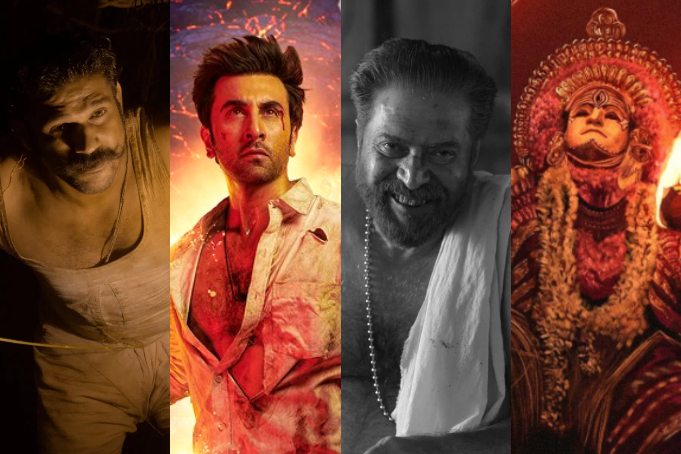
For years, horror and myth-fantasy in Indian cinema were seen as occasional experiments rather than dependable box office drivers. That perception has now shifted in a meaningful way. Across languages and industries, filmmakers are increasingly turning to folklore, supernatural elements and mythological frameworks to tell stories that feel both rooted and cinematic. What makes this trend stand out is its range. Some films are building expansive universes with franchise potential, while others are leaning into atmosphere, psychological tension and culturally specific narratives.
Together, they reflect an industry that is more confident about backing genre storytelling at multiple scales. Just as importantly, audiences are showing a clear willingness to engage with these worlds, whether through theatrical spectacle or slow-burn horror. The result is a growing slate of films that are not only commercially viable but also creatively distinct, marking a decisive shift in how Indian cinema approaches genre filmmaking today.
Stree 2
One of the clearest examples of horror entering the mainstream, “Stree 2” builds on an already established world that blends folklore with humor. Its strength lies in accessibility. The film proves that genre storytelling does not need to alienate audiences to be effective. Instead, it can use familiarity, comedy and recall to widen its reach while still staying rooted in the supernatural.
Related Stories

Munjya
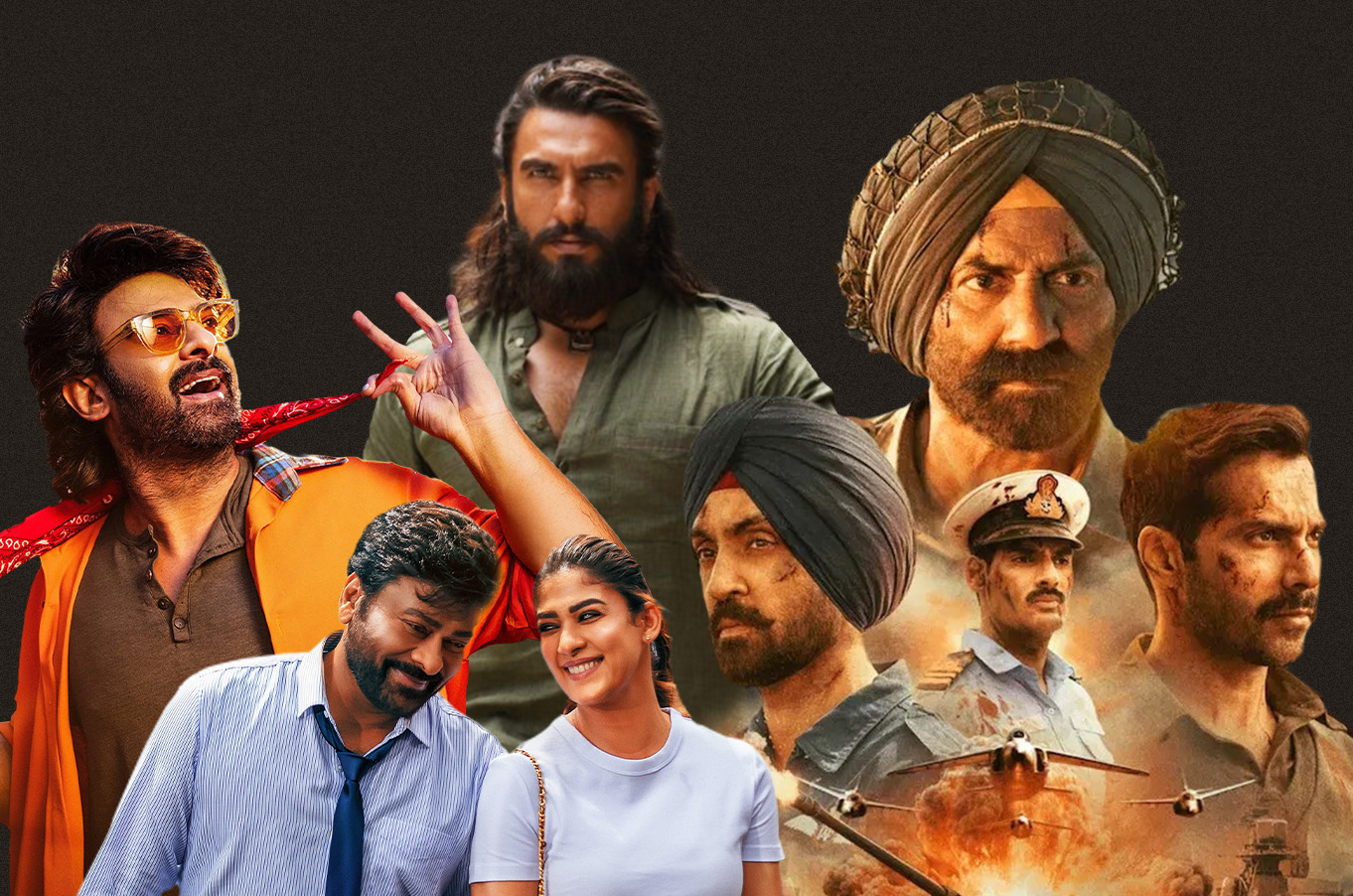
“Munjya” highlights how lesser-known folklore can be turned into a commercial hook. The film leans into its cultural specificity but packages it in a way that feels easy to engage with. Its success signals a growing audience appetite for discovering new mythologies, provided the storytelling remains clear and entertaining.
Tumbbad
Over time, “Tumbbad” has become a benchmark for atmospheric horror in Indian cinema. It treats mythology as the core of its narrative rather than just a backdrop, creating a world that feels immersive and unsettling. Its continued relevance well beyond its release underlines the long-tail value that strong genre films can achieve.
Kantara
“Kantara” draws deeply from regional belief systems and uses them as a driving force rather than visual texture. The film’s success across markets demonstrates how rooted storytelling can travel when it is handled with conviction. It stands as one of the strongest examples of folklore translating into mainstream impact.
Brahmāstra
At the big-budget end of the spectrum, “Brahmāstra” represents Bollywood’s attempt to build a large-scale fantasy universe. The film leans heavily on visual effects and franchise ambition, signalling a willingness within the industry to invest in long-form myth-driven storytelling. Its importance lies as much in intent as in execution.
Bhediya
“Bhediya” operates in a hybrid space, combining creature mythology with humor and character-driven storytelling. It reflects a growing comfort within Bollywood to experiment within genre frameworks without fully abandoning mainstream sensibilities. The film shows how horror elements can be integrated into broader entertainment formats.
Bramayugam
“Bramayugam” leans fully into mood, restraint and psychological dread, marking a sharp departure from conventional horror beats. Anchored by Mammootty, the film strips the genre down to its most unsettling core, relying on atmosphere, silence and moral tension rather than spectacle. Set against a stark, almost otherworldly backdrop, it explores power, faith and control with a slow-burning intensity.
Shaitaan
“Shaitaan” shifts the tone toward darker, more grounded horror. Stripping away spectacle and overt humor, it focuses on tension, performance and psychological unease. Its reception indicates that there is a growing audience for more intense, unsettling narratives within the genre space.
Virupaksha
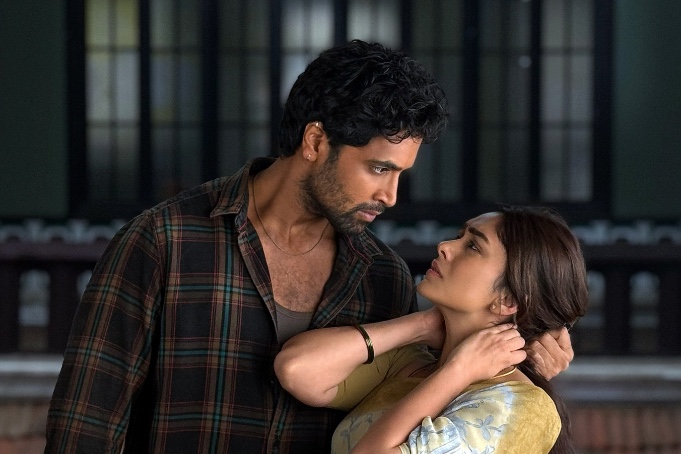
“Virupaksha” underscores the role of regional cinema in pushing genre boundaries. With its emphasis on atmosphere and rooted storytelling, it proves that scale is not essential for impact. The film’s success highlights how strong writing and cultural grounding can drive engagement across markets.
If the current slate is any indication, Indian cinema’s genre wave is not slowing down anytime soon.













Comments are moderated. They may be edited for clarity and reprinting in whole or in part in Variety publications.